
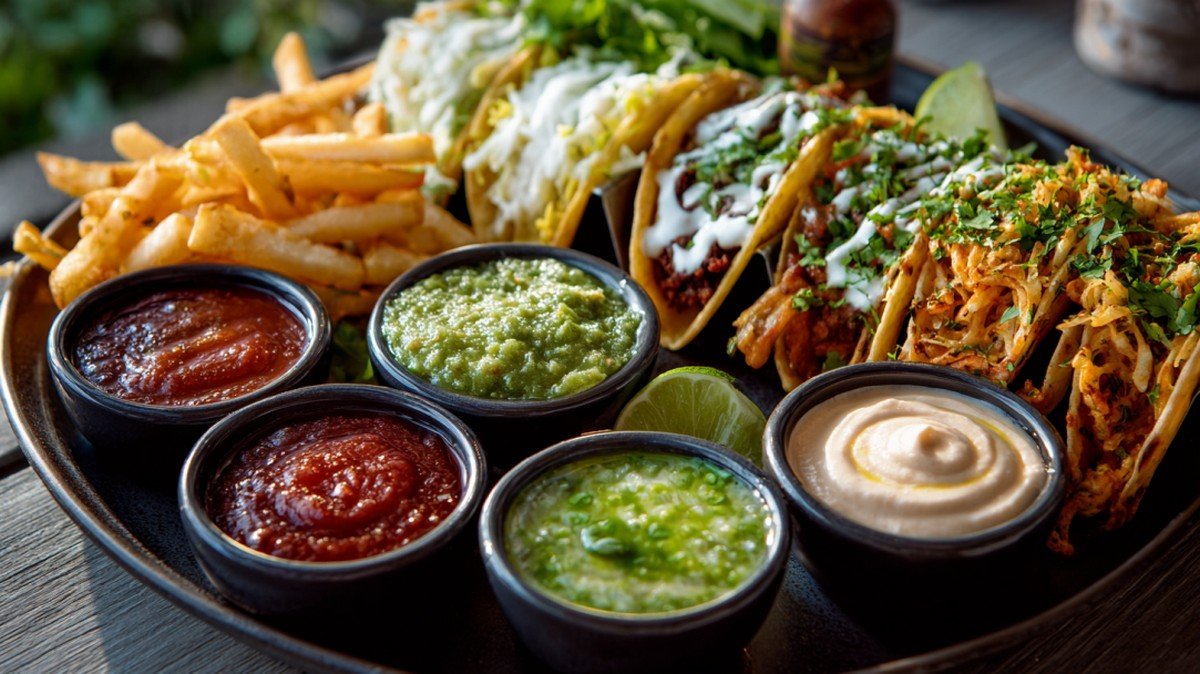
A taco can be good.
But the sauce is what makes it memorable.
Creamy, smoky, fresh, spicy.
That’s the difference between a decent taco night and one people talk about.
Some sauces are made for crispy beef tacos. Others are better on grilled chicken, shrimp, or burrito bowls. If you’ve ever wondered which taco sauces are actually worth making, this guide is the shortcut.
These are the best taco sauces ranked for flavor, versatility, and pure taco-night potential.
Quick Answer
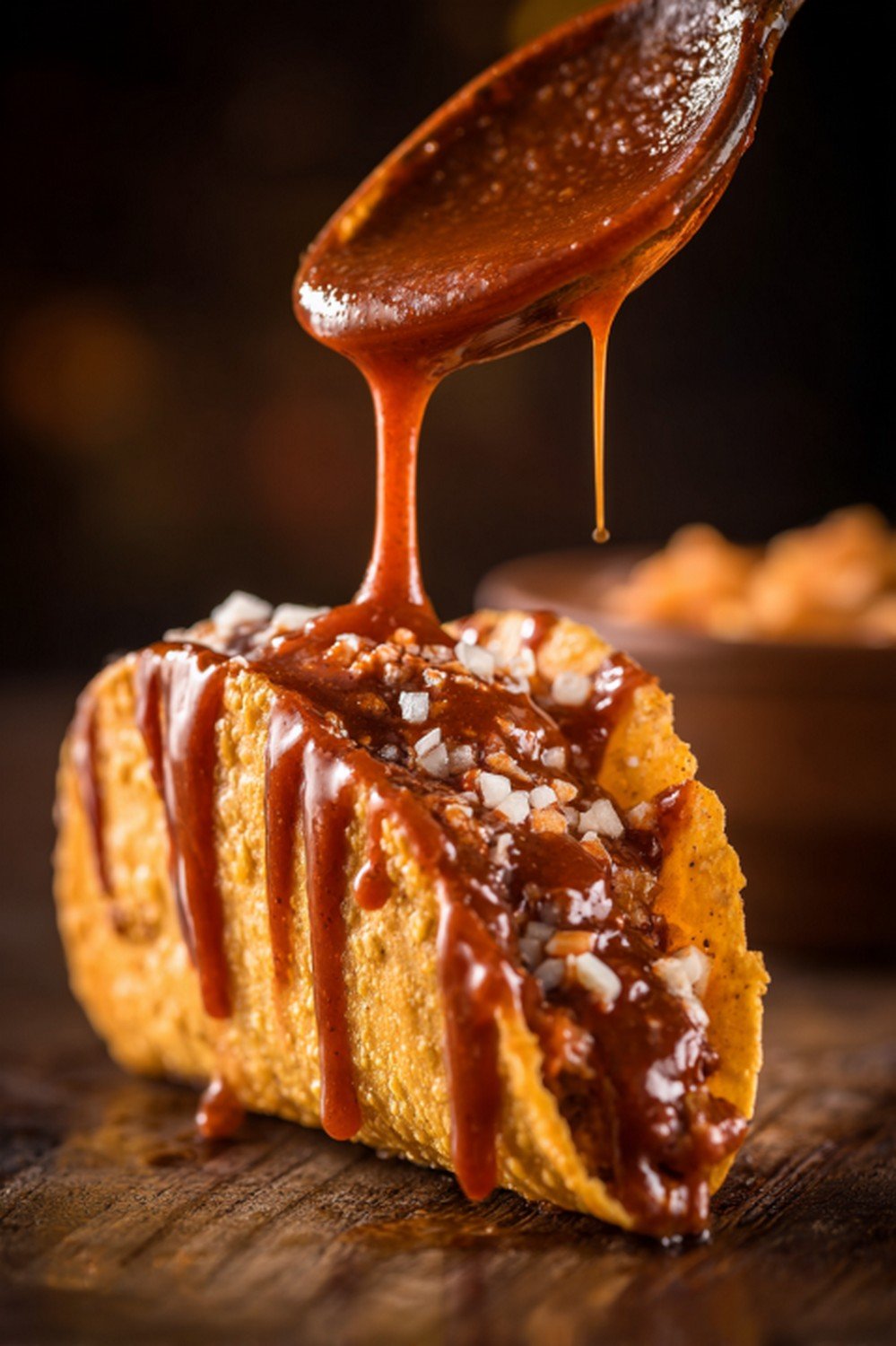
The best taco sauces combine flavor, texture, and balance.
If you want the short version, these are the top taco sauces to know:
- Chipotle Mayo for smoky creamy tacos
- Jalapeño Ranch for fresh spicy tacos
- Roasted Tomatillo Sauce for bright tangy tacos
- Taco Bell Red Sauce for nostalgic fast-food flavor
- Mexican Street Corn Sauce for creamy cheesy tacos
The best overall choice depends on what kind of taco you’re making. Beef tacos usually love a smoky or red sauce. Chicken tacos do well with creamy green sauces. Shrimp tacos almost always benefit from something bright and tangy.
Why This Recipe Works
A taco sauce ranking only makes sense if it reflects how people actually eat tacos at home.
This guide works because it doesn’t just focus on heat. It looks at what really matters: versatility, texture, flavor balance, and how well each sauce complements common taco fillings.
Some sauces are bold but too heavy. Others are fresh but disappear under seasoned meat. The best taco sauces do something different. They add moisture, contrast, and flavor without overpowering the tortilla or filling.
That’s why creamy sauces rank high for convenience and crowd appeal, while fresh green sauces rank high for brightness and authenticity. A good taco sauce should make the whole taco taste more complete.
And honestly, once you start matching the right sauce to the right taco, taco night gets a lot more fun.
What It Tastes Like
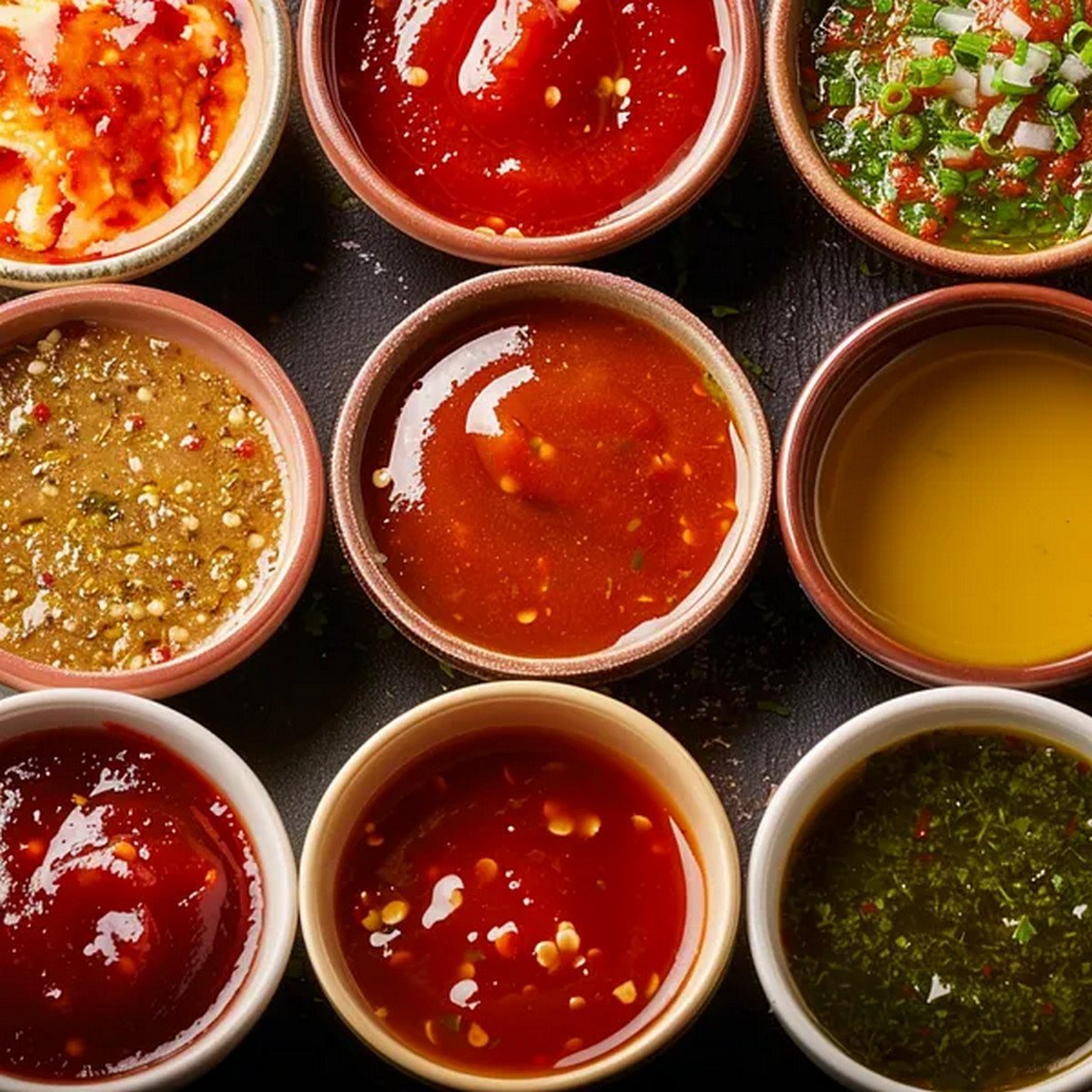
This guide covers a range of taco sauce flavor profiles.
Across the full ranking, you’ll find:
- creamy and smoky sauces
- bright and tangy green sauces
- mild savory red sauces
- rich cheesy sauces
- spicy sauces with heat and depth
That range matters because not every taco needs the same kind of sauce.
A juicy beef taco often wants something smooth and savory. A grilled chicken taco usually benefits from freshness. A shrimp taco almost begs for lime, herbs, or smoky creaminess.
That’s why the best taco sauces are not just “spicy.” They’re balanced.
Ingredients You’ll Need
Since this is a roundup article, the “ingredients” here are really the core taco sauce styles worth knowing.
- chipotle peppers or chipotle seasoning
- mayonnaise or ranch base
- tomatillos
- tomato paste
- lime juice
- garlic
- chili powder
- cilantro
- sour cream or yogurt
- cotija-style cheese for creamy street-corn sauces
Why These Ingredients Matter
Chipotle brings smoky heat and depth.
Mayonnaise and ranch bases create the creamy texture most people love on tacos, wraps, and bowls.
Tomatillos add brightness and acidity for green sauces like salsa verde.
Tomato paste and chili powder create rich red taco sauces with a classic fast-food feel.
Lime, garlic, and cilantro are the ingredients that make taco sauces taste fresh rather than flat.
Together, these ingredients create almost every high-performing taco sauce style worth making at home.
How to Make It
Step 1: Choose your taco style
Start with the filling. Beef, chicken, shrimp, fish, and veggie tacos all pair best with different sauces.
Step 2: Match the sauce family
Use creamy smoky sauces for beef, bright sauces for chicken or fish, and mild savory sauces for classic taco nights.
Step 3: Make a small batch first
Taco sauces are easy to mix or blend, so it’s smart to make a small amount and adjust from there.
Step 4: Taste for balance
The sauce should have enough acid, salt, and flavor to stand out without covering the taco.
Step 5: Let it rest if needed
Creamy sauces usually taste better after 10 to 15 minutes in the fridge.
If a sauce tastes “fine” at first but not exciting, it often just needs a little lime, salt, or resting time.
Pro Tips
- Don’t choose sauces based only on spice level
- Creamy taco sauces usually need acidity to stay balanced
- Green sauces pair especially well with grilled chicken and fish
- Red sauces work best when they’re smooth and mildly savory
- For taco bars, serve one creamy sauce and one fresh sauce for better contrast
Ingredient Swaps
You can adapt most taco sauces easily.
- mayonnaise → Greek yogurt or vegan mayo
- cotija → feta
- tomatillos → a jarred salsa verde in a pinch
- chipotle powder → chipotle in adobo
- ranch base → sour cream + herbs + garlic powder
These swaps won’t always taste identical, but they usually keep the right texture and overall flavor direction.
Make It Your Way
Use this ranking based on what you’re serving:
- For ground beef tacos: Taco Bell Red Sauce or Chipotle Mayo
- For chicken tacos: Jalapeño Ranch or Roasted Tomatillo Sauce
- For shrimp tacos: Chipotle Mayo or Mexican Street Corn Sauce
- For veggie tacos: Roasted Tomatillo Sauce or Jalapeño Ranch
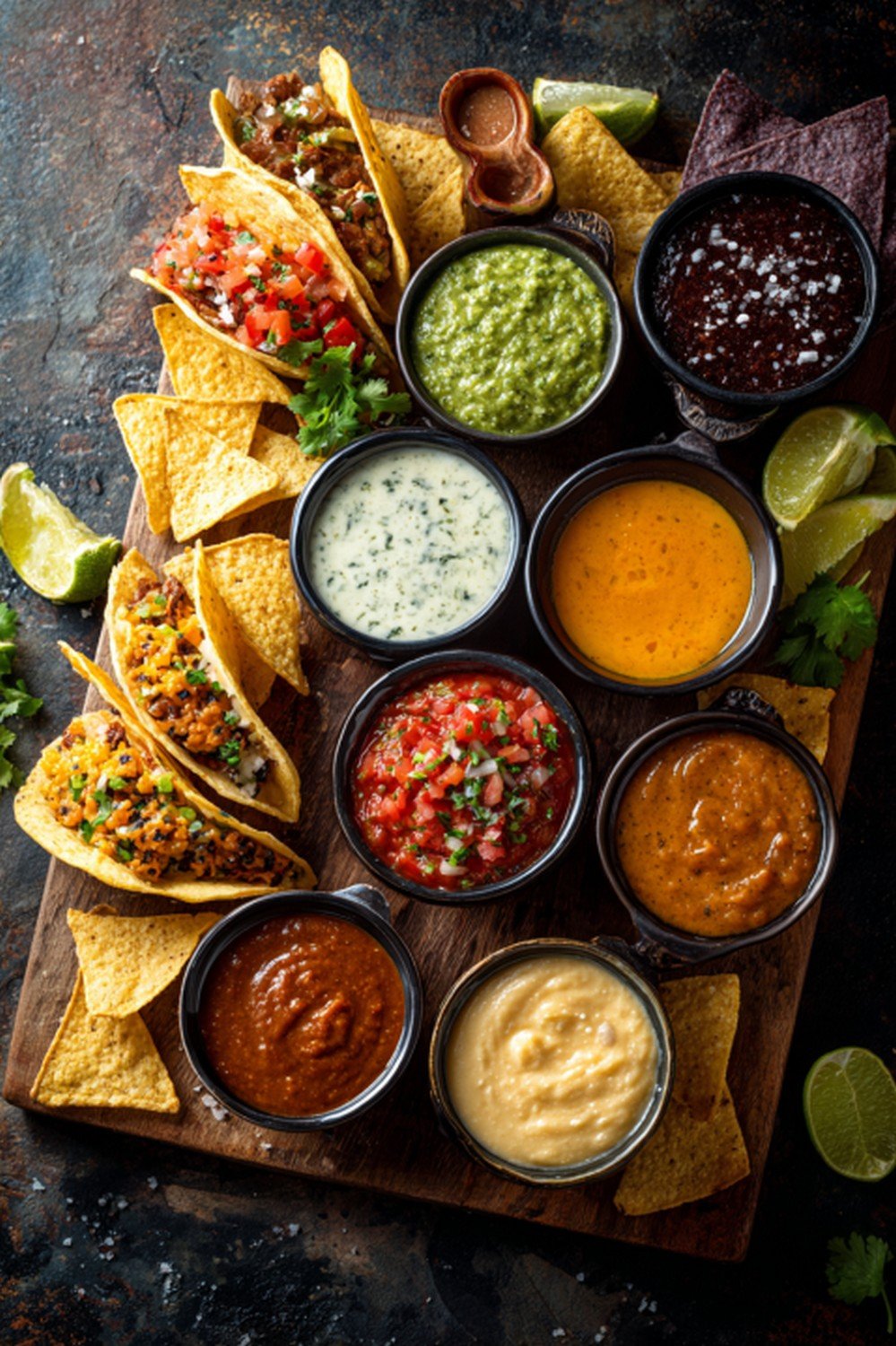
- For taco bars: one creamy sauce + one fresh salsa-style sauce
You can also use these sauces on:
- burrito bowls
- quesadillas
- nachos
- grilled chicken plates
- loaded fries
Storage & Meal Prep
Most creamy taco sauces keep for 4 to 5 days in the refrigerator.
Fresh salsa-style sauces like pico de gallo or tomatillo sauce are usually best within 2 to 4 days.
Red taco sauces often hold well for up to 5 days and may even taste better the next day.
Freezing works best for cooked sauces like enchilada sauce or red taco sauce. It’s usually not ideal for dairy-based or fresh herb-heavy sauces.
Common Questions
What is the best sauce for beef tacos?
Chipotle mayo and Taco Bell red sauce are both excellent for beef tacos.
What sauce goes best with chicken tacos?
Jalapeño ranch and roasted tomatillo sauce are strong options.
Are taco sauces usually spicy?
Not always. Many of the best taco sauces are mild to medium.
What’s the difference between taco sauce and salsa?
Taco sauce is usually smoother and more focused on coating or drizzling. Salsa is often chunkier and fresher.
Can I make taco sauces ahead of time?
Yes. In fact, many taste better after a short rest in the fridge.
What’s the most versatile taco sauce?
Chipotle mayo is one of the most versatile because it works on tacos, bowls, burgers, and fries.
You Might Also Like
- Chipotle Mayo Recipe
- Jalapeño Ranch Recipe
- Roasted Tomatillo Sauce Recipe
- Taco Bell Red Sauce Recipe
Final Thoughts
The best taco sauces are not always the hottest or the most complicated.
They’re the ones that make tacos feel complete.
If you want an easy place to start, make one creamy sauce and one fresh sauce. That combination covers almost every taco night situation and gives you way more flexibility than using the same bottled sauce every time.
SAVE CTA
If you're saving ideas for later, don't forget to pin this recipe.




Leave a Reply