
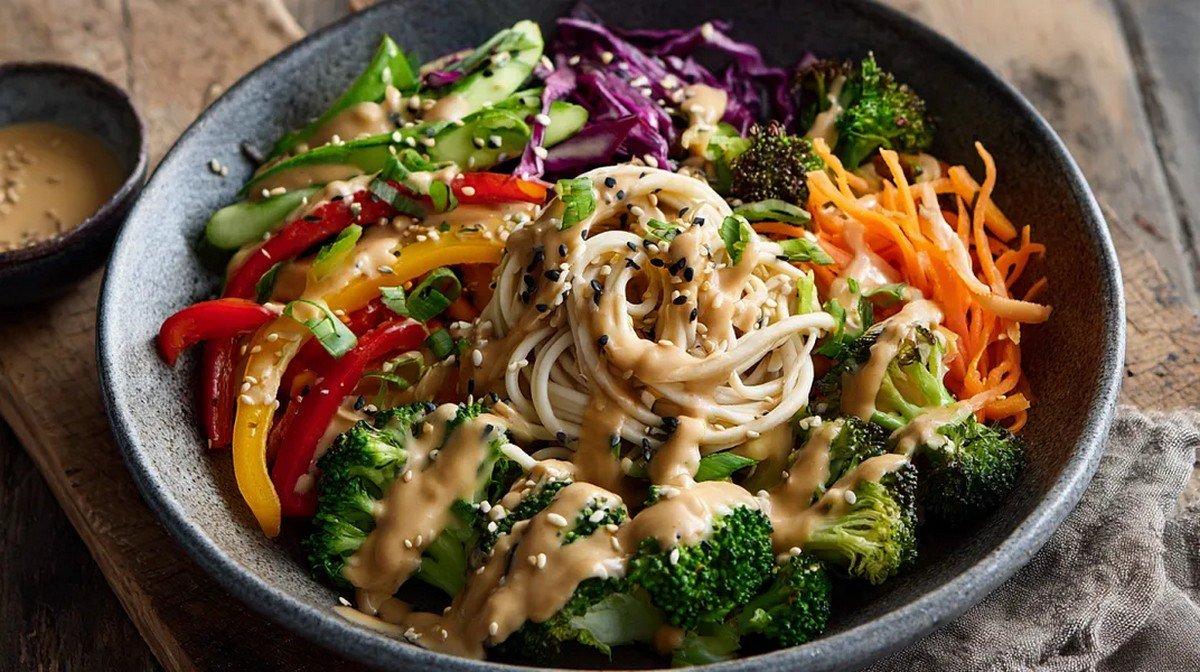
Nutty.
Savory.
Ridiculously versatile.
This sesame sauce is the secret ingredient behind many Asian takeout favorites.
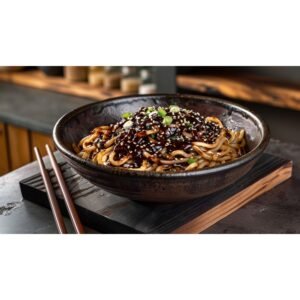
Sesame sauce appears in countless Asian dishes — from noodle bowls to dipping sauces.
That creamy, nutty flavor brings richness and depth to simple ingredients. The best part is that you can make this sesame sauce at home using just a few pantry staples.
Quick Answer
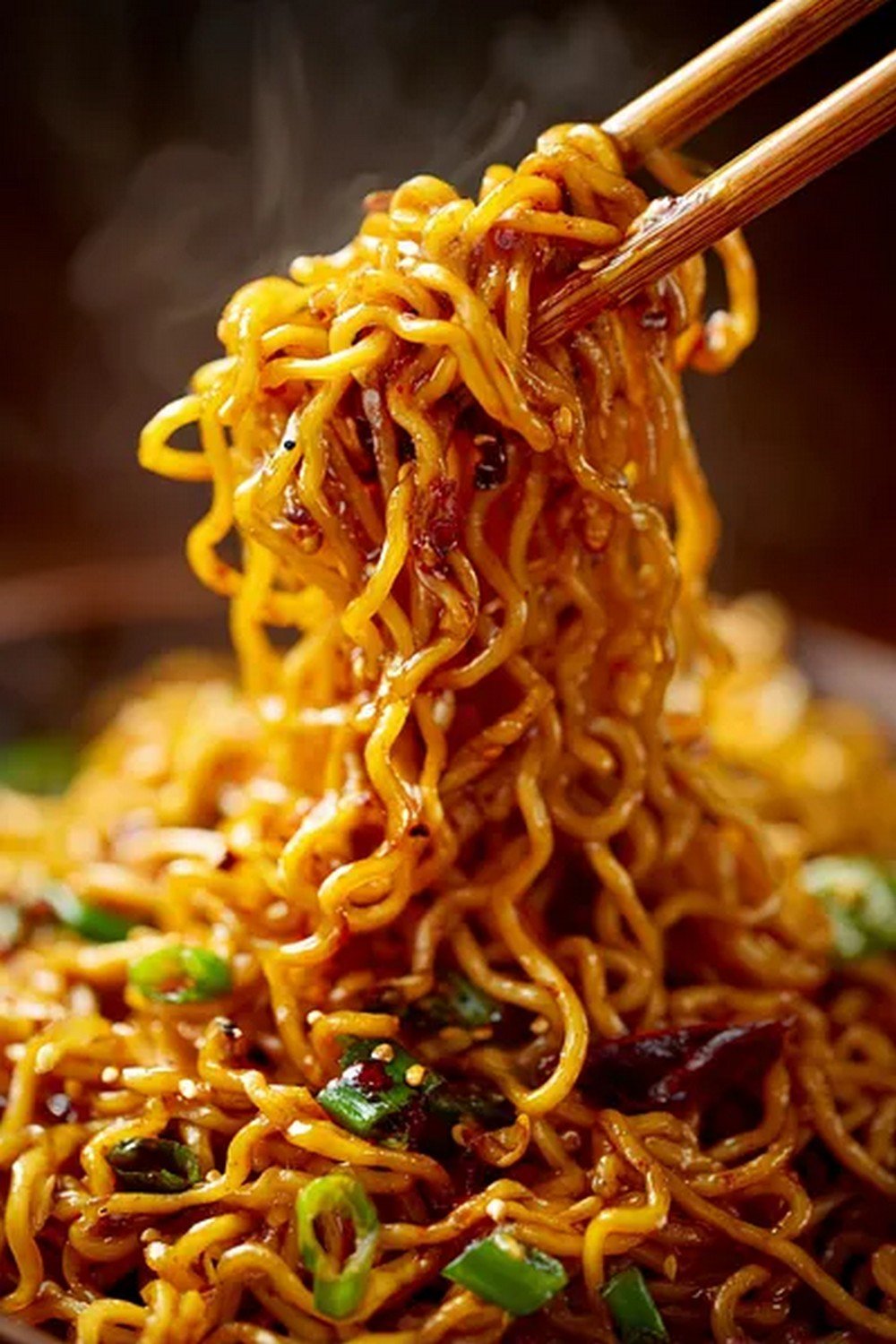
Sesame sauce is a creamy, nutty Asian sauce made from sesame paste, soy sauce, garlic, and vinegar.
It’s commonly used for:
- noodle bowls
- dumpling dipping sauce
- vegetable stir fry
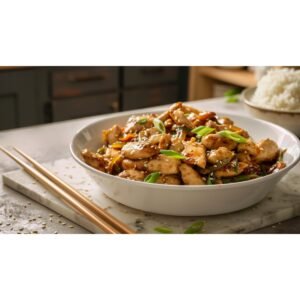
- grilled chicken
- rice dishes
The sauce is smooth, savory, and easy to customize depending on your preferred thickness and flavor balance.
Why This Recipe Works
This sesame sauce works because it balances creamy richness with salty and bright flavors.
Tahini creates the smooth nutty base, while soy sauce adds savory umami depth.
Rice vinegar brightens the sauce, garlic adds aroma, and a small touch of sugar softens the flavor.
Water loosens the sauce into a silky consistency perfect for noodles, salads, or dipping.
What It Tastes Like
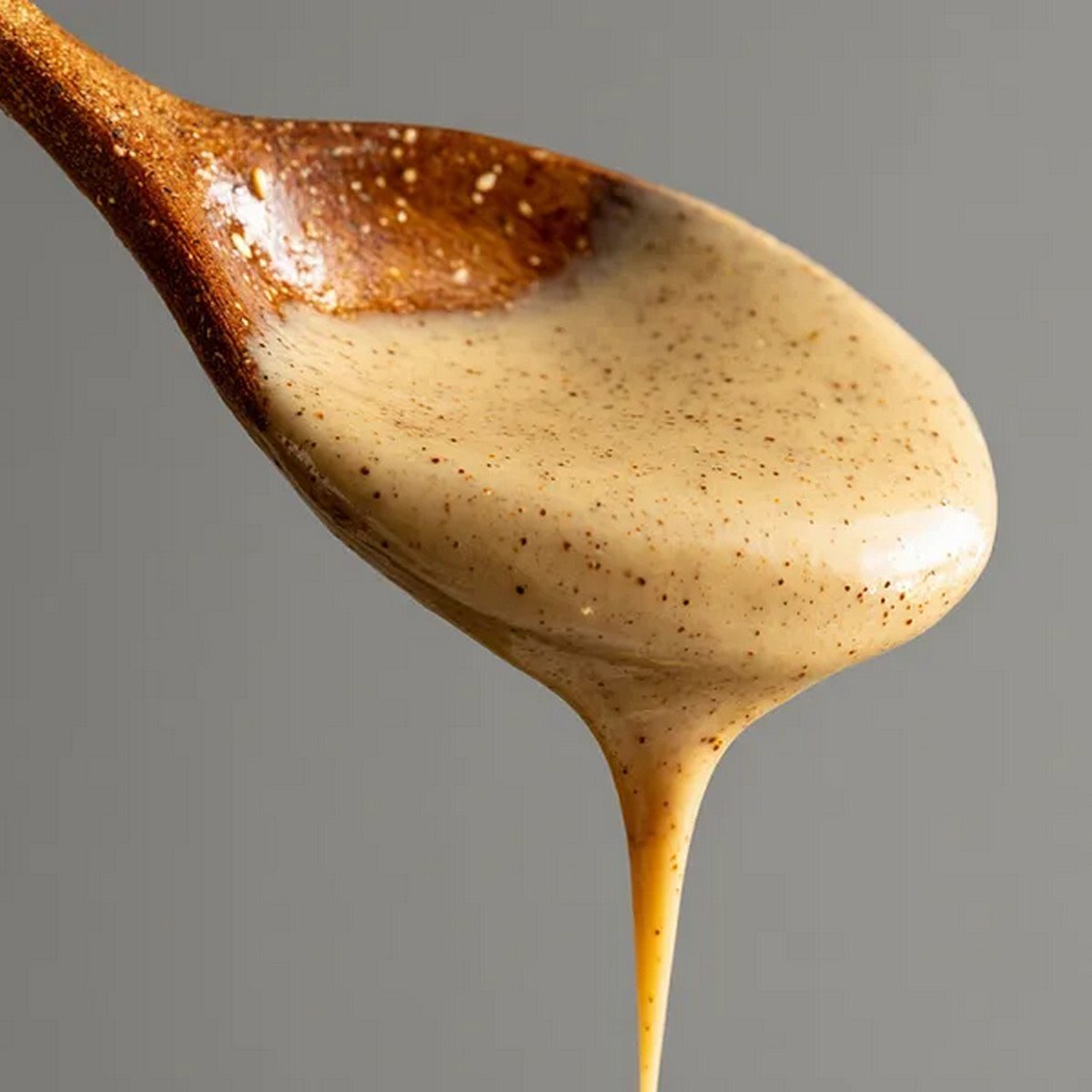
Sesame sauce has a rich, nutty flavor with a savory and slightly tangy finish.
The flavor profile includes:
- toasted sesame richness
- salty soy sauce depth
- mild garlic aroma
- light acidity from vinegar
The texture is creamy and smooth, perfect for coating noodles or vegetables.
Ingredients You’ll Need
- ¼ cup tahini (sesame paste)
- 2 tablespoon soy sauce
- 1 tablespoon rice vinegar
- 1 teaspoon sugar
- 1 garlic clove, minced
- 2–4 tablespoon warm water
- 1 teaspoon sesame oil
Why These Ingredients Matter
Tahini provides the nutty sesame flavor.
Soy sauce adds savory depth.
Rice vinegar balances richness with acidity.
Garlic enhances aroma and complexity.
Sesame oil reinforces the sesame flavor and adds fragrance.
Together these ingredients create a balanced and versatile sauce.
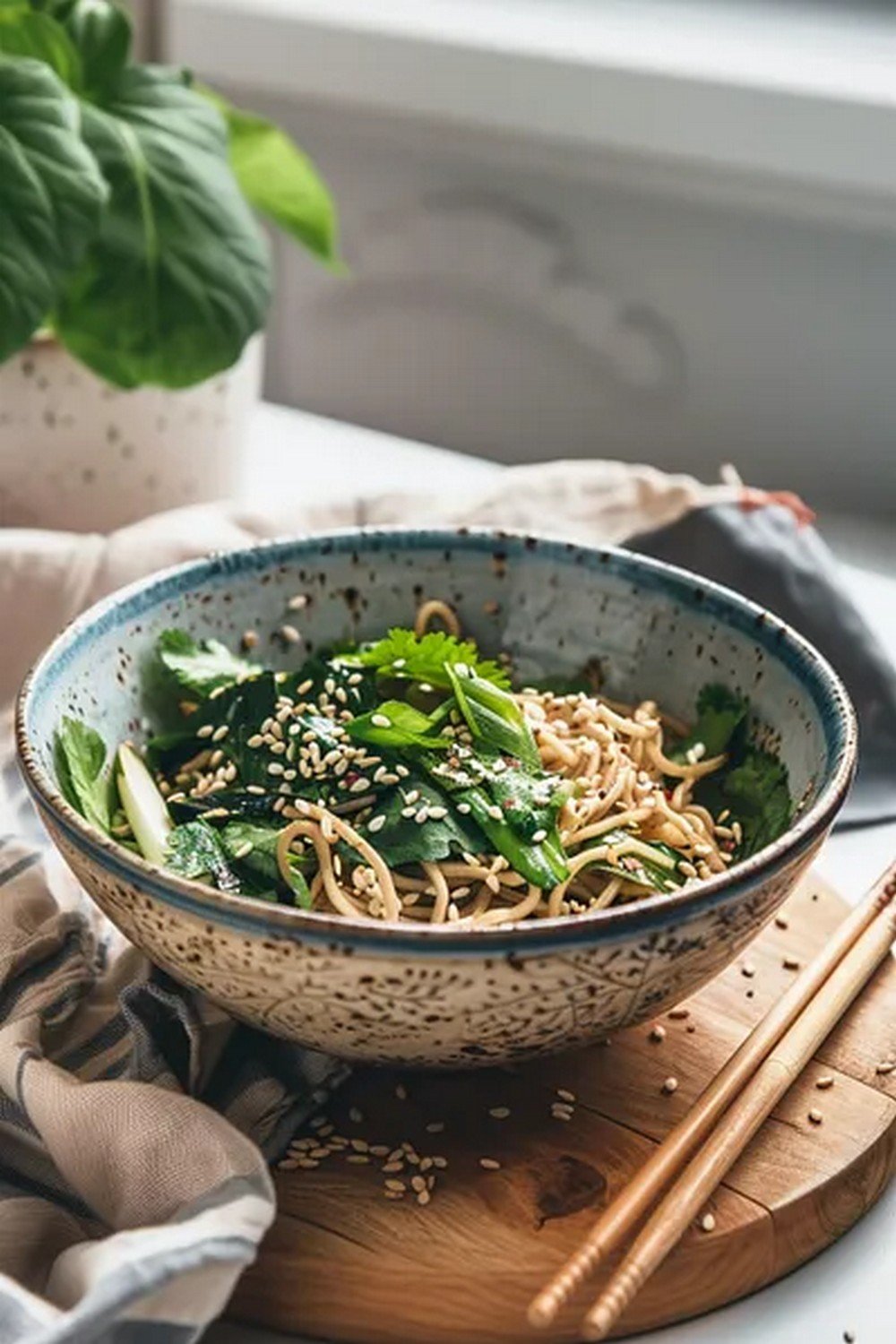
How to Make It
Step 1: Mix the Base
In a bowl whisk together tahini, soy sauce, rice vinegar, sugar, and garlic.
Step 2: Add Water
Slowly whisk in warm water until the sauce becomes smooth.
Step 3: Adjust Consistency
Add more water until the sauce reaches your desired thickness.
Step 4: Finish
Stir in sesame oil before serving.
If the sauce seems too thick, simply add a little more warm water.
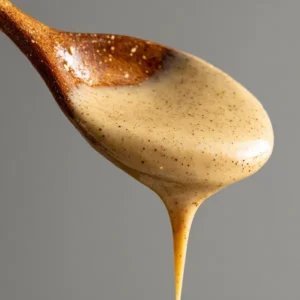
Sesame Sauce
Ingredients
- ¼ cup tahini
- 2 tablespoon soy sauce
- 1 tablespoon rice vinegar
- 1 teaspoon sugar
- 1 garlic clove minced
- 2 –4 tablespoon warm water
- 1 teaspoon sesame oil
Instructions
- Whisk tahini, soy sauce, vinegar, sugar and garlic.
- Slowly whisk in warm water until smooth.
- Adjust thickness as desired.
- Stir in sesame oil before serving.
Notes
Pro Tips
• Always whisk tahini well before mixing.
• Use warm water to help the sauce emulsify smoothly.
• Add vinegar gradually to control acidity.
• Toasted sesame seeds make a great garnish.
Ingredient Swaps
No tahini?
You can use smooth peanut butter.
No rice vinegar?
Apple cider vinegar works well.
Need gluten-free?
Use gluten-free soy sauce.
Make It Your Way
Sesame sauce is extremely versatile:
- noodle bowl sauce
- dumpling dipping sauce
- salad dressing
- grilled chicken glaze
- roasted vegetable drizzle
You can also thin it further to create a sesame noodle dressing.
Storage & Meal Prep
Store the sauce in an airtight container in the refrigerator.
Shelf life: up to 5 days.
Before serving, whisk and add a little warm water if needed.
Freezing is not recommended.
Common Questions
Is sesame sauce the same as tahini?
No. Tahini is sesame paste, while sesame sauce is a seasoned mixture made with tahini.
Can I use it for noodles?
Yes, it’s excellent with sesame noodles.
Can I make it thicker?
Simply reduce the amount of water.
Is sesame sauce spicy?
No, it’s usually mild and nutty.
Can I add chili oil?
Yes, chili oil adds a great spicy twist.
What dishes pair well with it?
Noodles, dumplings, grilled chicken, and vegetables.
You Might Also Like
• Thai Peanut Sauce
• Mongolian Beef Sauce
• Honey Sesame Sauce
• General Tso Sauce
Final Thoughts
Sesame sauce is one of the most versatile sauces in Asian cooking.
Once you start making it at home, you’ll find endless ways to use it in everyday meals.
SAVE CTA
If you're saving ideas for later, don't forget to pin this recipe.

Jake Carter
Crave the restaurant version? I build the at-home one worth repeating.
Recipe developer & copycat flavor obsessive
I recreate the fast-food and restaurant flavors people miss most — then simplify them into recipes that feel doable, nostalgic, and genuinely satisfying at home.
Meet Jake & explore more recipes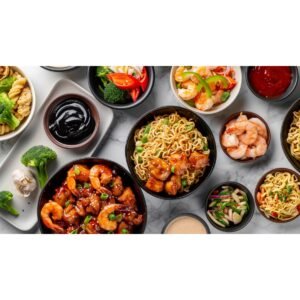

Leave a Reply