
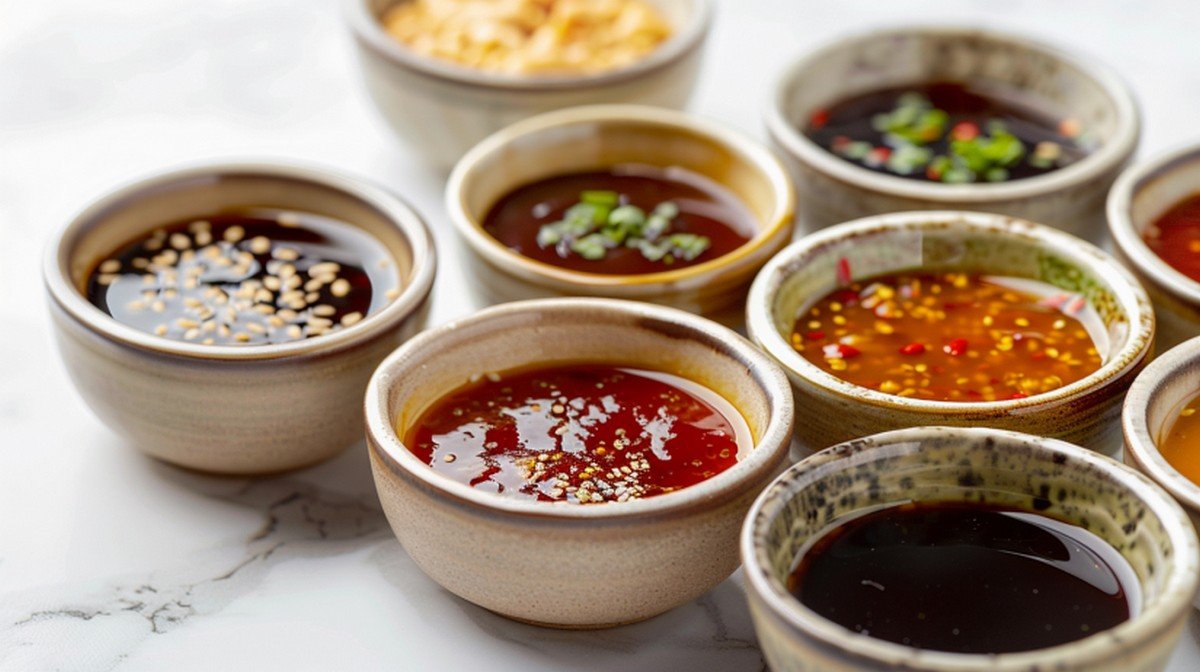
Understanding how Asian sauces work is the fastest way to improve your cooking. Most homemade Asian sauces rely on the same core ingredients — soy sauce, garlic, ginger, a sweetener, and an acid — but the way they’re combined creates completely different results, from bold stir fry sauces to sweet glazes and dipping sauces.
In this guide, you’ll learn the main types of Asian sauces, when to use each one, and how to choose the right sauce for noodles, chicken, stir fry, or dipping. Once you know the system, you won’t need recipes — you’ll know exactly what to make.
Looking for the best recipes?
Here are the 10 best Asian sauce recipes to try →
Types of Asian Sauces Explained
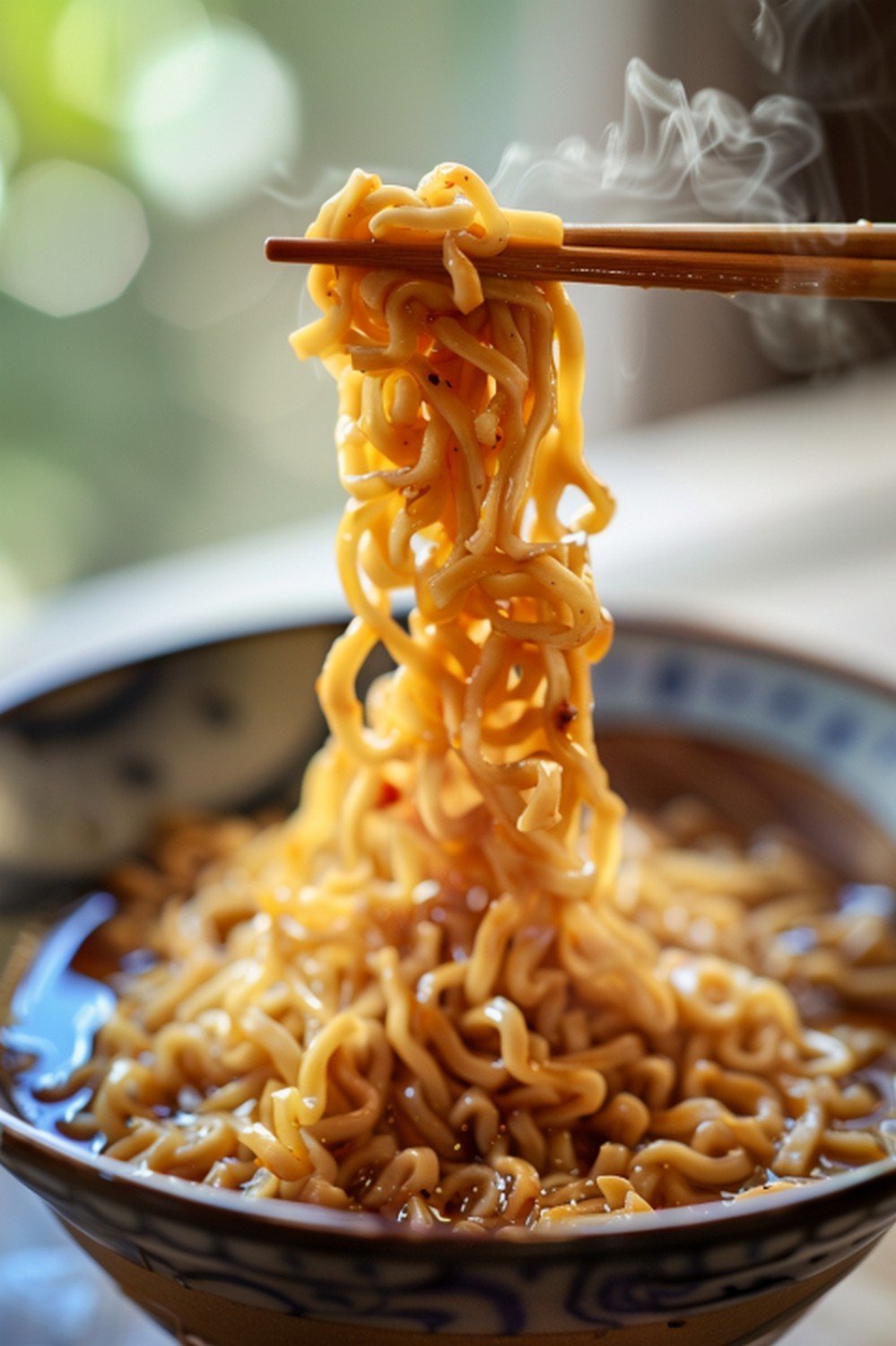
Not all asian sauces work the same way. Understanding the four main types helps you choose and cook more confidently:
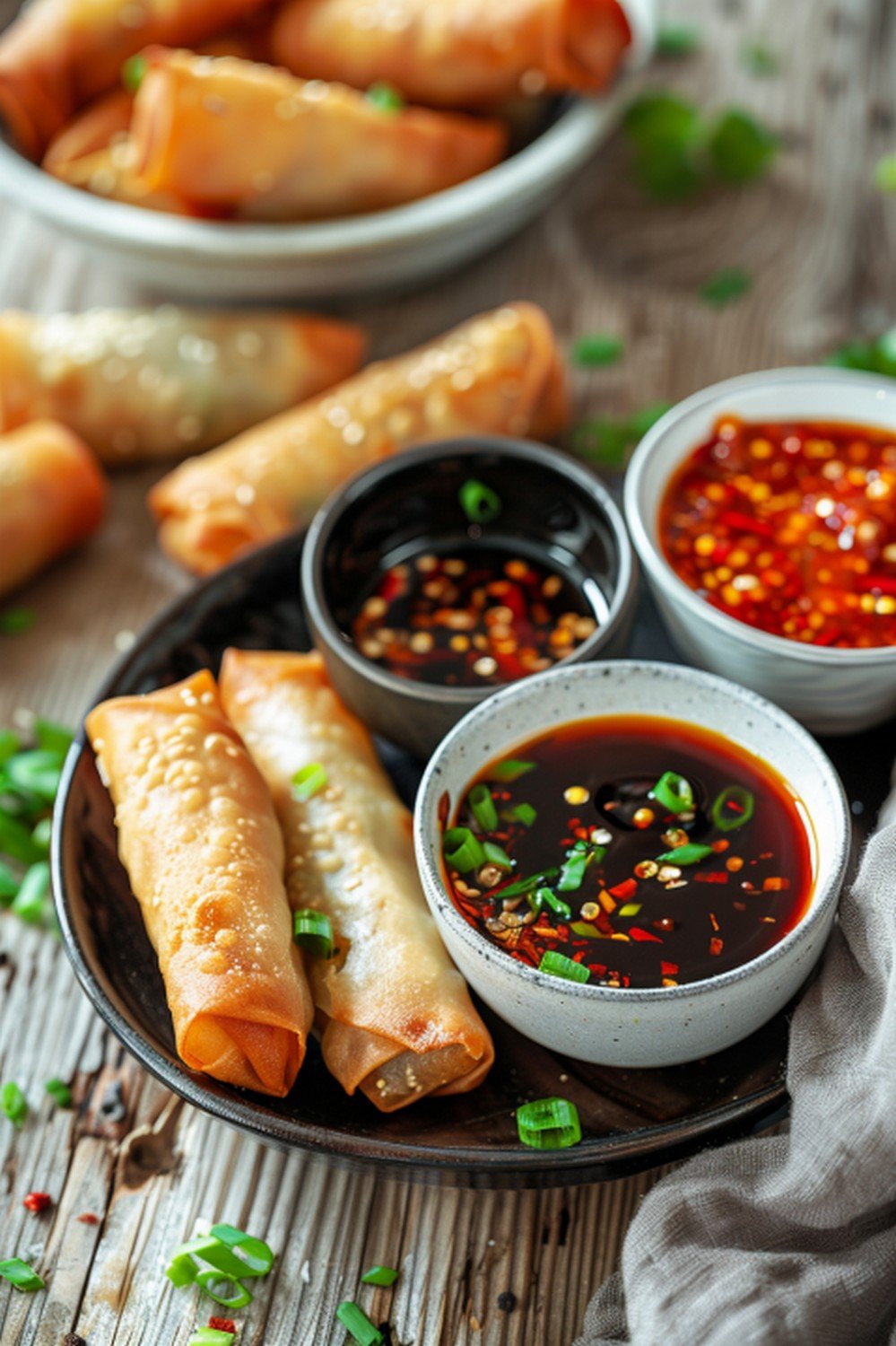
Dipping sauces — thicker, sweeter, designed to coat food without being cooked. Plum sauce, peanut sauce, and sweet and sour sauce belong here. Sauce typically served at room temperature alongside crispy food. Dipping sauce for dishes and dipping sauce for vegetables are the two most common uses.
Stir fry sauces — built around soy sauce, aromatics, and cornstarch. They go into a hot pan and thicken on contact. Black bean garlic sauce and Asian stir fry sauce are the best examples. Sauce and oyster sauce is the most common combination in Chinese stir fry cooking.
Glazes and marinades — higher in sugar content so they caramelize under heat. Teriyaki and sweet soy glaze belong here. Sauce as a marinade works best overnight — the ingredients penetrate deep into protein for maximum flavor. Sauce can be used as both a marinade and a finishing glaze in the same dish.
Condiment sauces — punchy, intense, used in small amounts. Chili garlic sauce and fish sauce belong here. A tablespoon transforms an entire bowl. These are the sauces that adds depth without adding volume. Includes soy sauce in this category as a foundational condiment across all asian countries.
What Makes These Asian Sauces So Good
Every great asian sauce is built on the same foundation: a salty base like soy sauce or fish sauce, an aromatic hit of garlic and ginger, a touch of sweetness to balance, and an acid — rice wine vinegar or lime — to keep everything bright.
The difference between a flat sauce and a restaurant-quality one is almost always technique. Blooming aromatics in hot oil, using cornstarch to create a glossy coating, and adding sesame oil off the heat to preserve its fragrance. Made from soy sauce fermented across asian countries over centuries, these ingredients have been refined into some of the most efficient flavor delivery systems in cooking.
These 10 asian sauce recipes follow that logic exactly. Sauce is used intentionally — every ingredient earns its place. That's why they taste like something you'd order, not something you made with pantry staples in five minutes.
Which Asian Sauces You Actually Need
Asian cooking is not one cuisine — it's dozens. The sauces vary significantly by region.
East Asian sauces (Chinese, Japanese, Korean) are built on soy sauce as the foundational base. Japanese soy sauce is lighter than Chinese dark sauce. Using regular soy sauce where light soy sauce is called for changes the entire flavor profile. Chinese recipes frequently combine sauce and oyster sauce together — one of the most common pairings in east asian cooking.
Southeast Asian cuisines (Thai, Vietnamese, Indonesian) rely more heavily on fish sauce, lime, and chili. Southeast asian dishes are typically brighter and more acidic. Southeast asian cuisines use pepper sauce and barbecue sauce variations adapted to local ingredients available at any local asian market.
Types of soy sauce matter. Light soy sauce is thinner — best for marinades. Dark sauce is thicker and sweeter — used for color in braises. Japanese soy sauce sits between the two. Sauce originated centuries ago across these asian countries as both condiment and cooking base.
How to Make Asian Sauces at Home
Most homemade asian sauce recipes follow the same method: whisk together your soy sauce, aromatics, sweetener, and cornstarch cold before the pan heats up. Add to a hot wok or skillet after your protein is seared — the sauce thickens immediately and creates a glossy coating in under 60 seconds.
For dipping sauces — skip the cornstarch and heat. Whisk cold and serve. For glazes — reduce over medium heat until thick before brushing onto food. Using regular soy sauce or soy sauce or vinegar as your base, the ratio stays consistent: 3 parts soy sauce, 1 part sweetener, 1 part acid, aromatics to taste.
Sauce that adds acidity — like rice wine vinegar — brightens the final result instantly. Make the sauce, taste, adjust. That's the whole method. Sauce can be used immediately or stored 5 days refrigerated — most asian sauce recipes keep beautifully and improve overnight as ingredients in the sauce meld together.
Asian Sauces to Keep in Your Pantry
These are the asian sauces to keep stocked — the ones that make weeknight cooking effortless and keep you away from sauces on the market that never quite taste right:
- Soy sauce — the non-negotiable base. Light soy sauce for dipping and marinades.
- Sesame oil — finishing oil only. Never for cooking.
- Rice wine vinegar — bright acidity that lifts every sauce
- Oyster sauce — depth and body in stir fry sauces instantly
- Chili garlic sauce — instant heat. Chili sauce is made for everyday use.
- Hoisin sauce — sweet and savory, essential for chinese recipes
- Fish sauce — the southeast asian secret for umami depth
With these 7 ingredients stocked, you can make every sauce on this list. These are the asian sauces to keep permanently — sauce typically lasts 6–12 months sealed. Sauces add complexity to any dish instantly. Local asian market carries all of these — and most are now in standard grocery stores worldwide.
Pro Tips for Homemade Asian Sauces
- Always whisk cornstarch cold — never add dry cornstarch to a hot pan. Mix cold, add hot, stir continuously until sauce is used and glossy.
- Sesame oil goes in last — always off the heat. High temperatures destroy its fragrance.
- Batch and freeze — most asian sauce recipes freeze for up to 3 months. Make double and freeze in ice cube trays for instant weeknight meals.
- Balance before you finish — too salty → add lime. Too sharp → add sugar. Too sweet → add rice wine vinegar. Sauce that adds the right acid at the end transforms the entire result.
- Use sauce as a marinade — most asian sauce recipes double as marinades. Soy sauce chicken and teriyaki chicken both benefit from overnight marinating. Use it in marinades the night before for the deepest flavor penetration.
What Is the Most Popular Asian Sauce?
Teriyaki sauce is the most popular asian sauce in the US. Soy sauce is the most used condiment globally — it's the base of nearly every asian sauce recipe on this list and used across asian countries for centuries. For homemade asian sauces, teriyaki and peanut sauce rank as the most searched. Popular asian sauces like these are now widely available but always taste better homemade.
What Is the Best Stir Fry Sauce?
The best stir fry sauce for most home cooks is a simple soy-garlic-ginger base with cornstarch — fast, versatile, works on any protein or vegetable. Sauce and oyster sauce combined is the best stir fry sauce for chinese recipes and beef dishes. For lighter results, garlic ginger sauce is the best choice for chicken. Sauce is used across asian cooking as both a stir fry base and a finishing glaze — mastering one base sauce unlocks every variation.
What Sauces Are Used in Asian Cooking?
The most commonly used sauces in asian cooking are soy sauce, oyster sauce, hoisin sauce, fish sauce, and sesame oil. These form the base of almost every asian sauce recipe. Beyond these, chili sauces like chili garlic sauce, rice wine vinegar for acidity, and mirin complete the profiles that define cooking across southeast asian cuisines and east asian traditions. Dipping sauce for dishes like spring rolls, dipping sauce for vegetables, and sauce as a marinade are the three most common applications. Chinese recipes, japanese recipes, and southeast asian dishes all rely on these foundational sauces — adapted to local asian market ingredients in each region.
Save This Combo
For a quick weeknight dinner: Garlic Ginger Sauce + chicken stir fry + steamed rice — 20 minutes, better than any takeout.
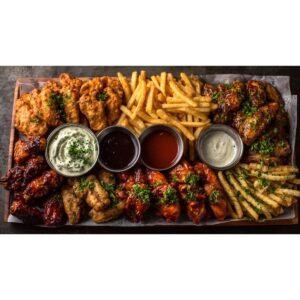
For a party spread: Plum Sauce + Asian Peanut Sauce + spring rolls and chicken wings — the dipping sauce board that everyone talks about.
You Might Also Like
- The 10 Best Asian Sauce Recipes-- Most Try
- Black Bean Garlic Sauce — Bold and Umami-Packed
- Garlic Ginger Sauce — Bright, Bold and Ready in 5 Minutes
- The Best PF Chang's Copycat Recipes to Make at Home
- Homemade Teriyaki Sauce (Better Than Bottled)
- Asian Peanut Sauce Recipe — 5 Minutes, One Bowl
- Teriyaki Chicken Rice Bowl — Better Than Takeout
- 10 Best Sauces for Steak That Beat Any Steakhouse
These 10 asian sauce recipes are the ones worth keeping in permanent rotation. Whether you need a dipping sauce, a stir fry base, a glaze, or a noodle sauce — this list has every situation covered. Make one tonight and see why homemade always wins.
Save this before you forget it.

Jake Carter
Crave the restaurant version? I build the at-home one worth repeating.
Recipe developer & copycat flavor obsessive
I recreate the fast-food and restaurant flavors people miss most — then simplify them into recipes that feel doable, nostalgic, and genuinely satisfying at home.
Meet Jake & explore more recipes
Leave a Reply