
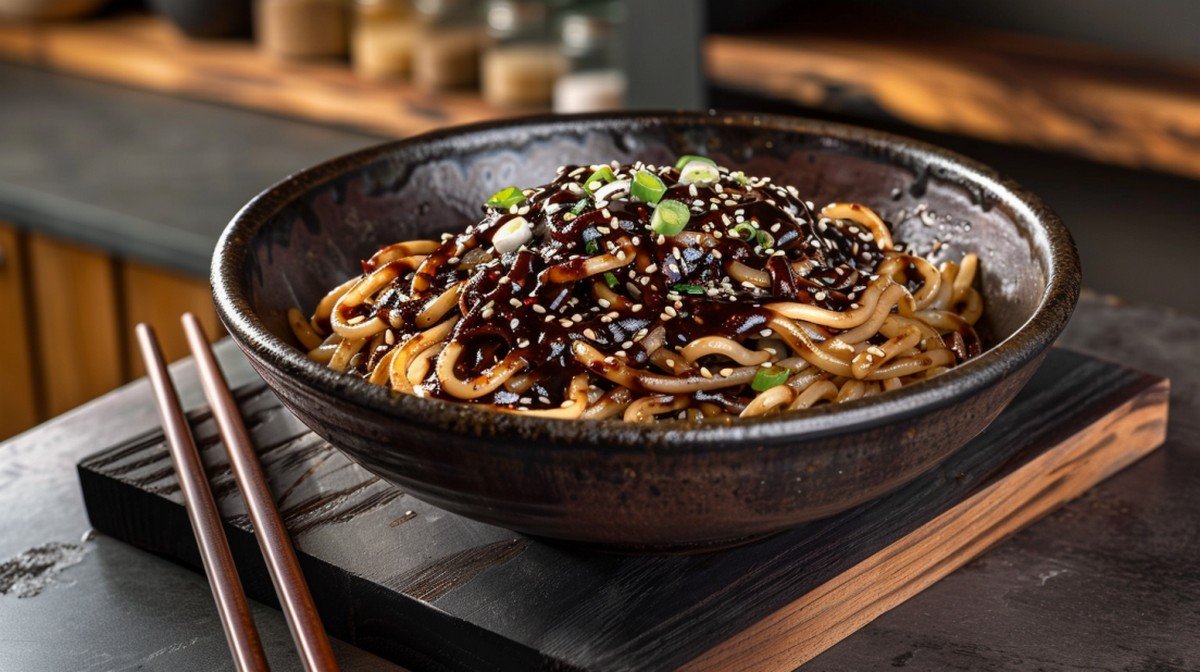
Once you cook with black bean garlic sauce from scratch, the jarred version stays on the shelf permanently. I made this on a Thursday night with a pack of noodles and leftover vegetables — and the depth of flavor stopped me mid-bite.
Bold, savory, umami-packed — this is the sauce that makes weeknight stir fry taste like something from a proper Chinese kitchen. Here's exactly how to make it.
Quick Answer
Black bean garlic sauce is made by cooking fermented black beans with garlic, ginger, soy sauce, and sesame oil into a deeply savory, glossy sauce that coats noodles and stir fry vegetables perfectly. It takes 10 minutes and transforms any protein or noodle dish instantly.
- Best with: Stir fry noodles — the classic pairing
- Try it on: Beef stir fry for a bold, hearty combination
- Use it in: Eggplant stir fry — a restaurant-level vegetarian dish
- Pair with: Asian Stir Fry Sauce — the universal base version
- Related: Garlic Ginger Sauce — the lighter, fresher variation
This is the black bean garlic sauce recipe worth saving — the one that brings real Chinese restaurant depth to your home kitchen.
Why This Recipe Works
Most homemade versions of black bean garlic sauce taste flat because they skip the most important step — cooking the fermented black beans properly before adding liquid.
Fermented black beans are intensely salty, funky, and deeply savory on their own. When you cook them in hot oil with garlic and ginger first, they bloom and release their umami compounds into the fat — creating a flavor base that no amount of soy sauce or seasoning can replicate from scratch.
The addition of oyster sauce adds a subtle sweetness and body. Rice wine or Shaoxing wine deglazes the pan and adds a complex fermented note that rounds out the saltiness of the black beans. Cornstarch slurry thickens everything into a glossy, restaurant-quality coating that clings to every strand of noodle and every piece of vegetable.
Sesame oil goes in at the very end — off the heat — to preserve its fragrance and add a warm, toasted finish that ties the whole sauce together.
This is exactly what gives it that unmistakable Chinese restaurant depth that makes people ask what you put in it every single time.
What It Tastes Like
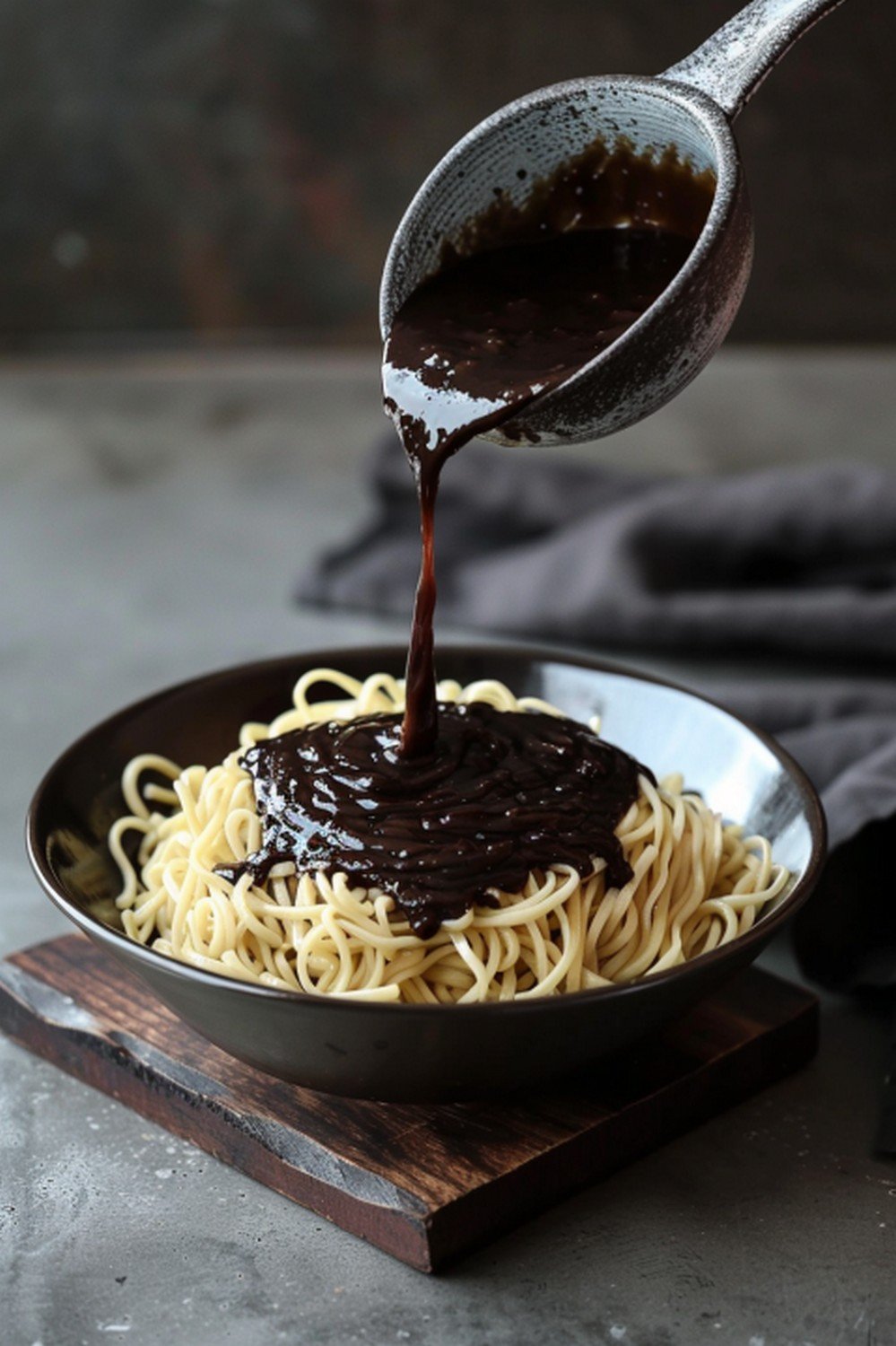
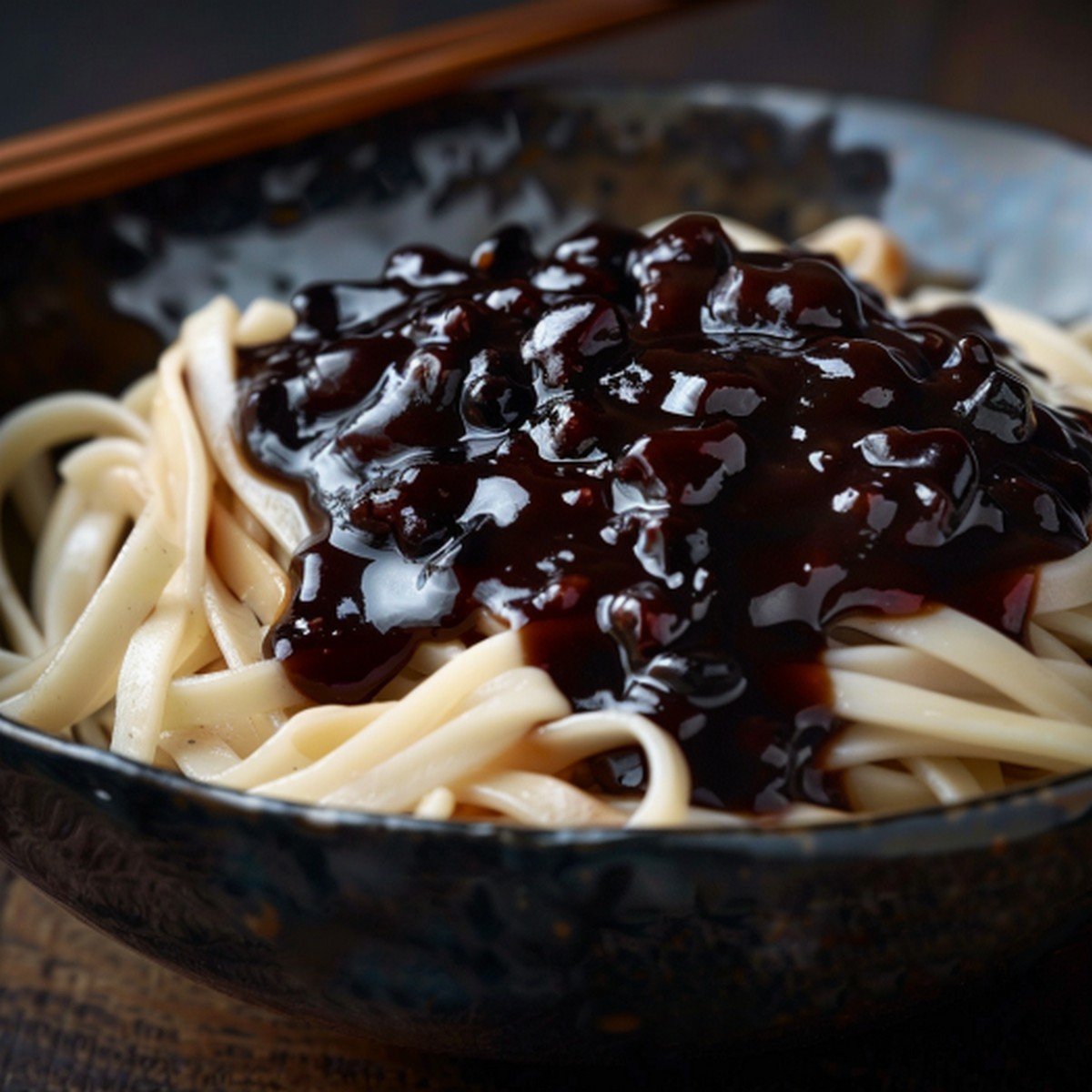
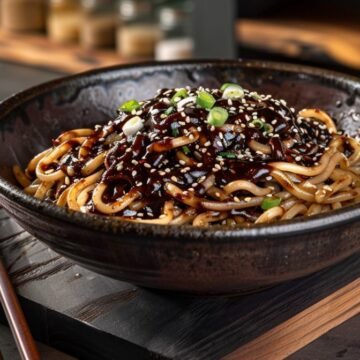
The texture is thick and glossy — deeply dark, almost black, with a rich coating that clings to noodles and proteins without being heavy or gluey.
The first bite hits with intense savory umami — salty, deeply fermented, with a pungent garlic punch that softens as it cooks. The ginger adds a warm, bright undercurrent that lifts the heaviness of the black beans, and the sesame oil finish adds a warm, nutty note that lingers long after the last bite.
It's bold, complex, and deeply satisfying — the kind of sauce that makes plain noodles taste like a complete meal.
Why You'll Keep Making This
- Done in 10 minutes with pantry staples
- Deeper, more complex than any store-bought version
- Works on noodles, beef, pork, eggplant, and tofu
- Freezes perfectly — make a batch and use all week
- Restaurant-level umami depth in a home kitchen
Ingredients You'll Need
- 3 tablespoon fermented black beans, rinsed and roughly chopped
- 6 garlic cloves, minced
- 1 tablespoon fresh ginger, minced
- 2 tablespoon avocado oil or vegetable oil
- 2 tablespoon low sodium soy sauce
- 1 tablespoon oyster sauce
- 1 tablespoon Shaoxing rice wine (or dry sherry)
- 1 teaspoon sugar
- ½ teaspoon white pepper
- 1 teaspoon cornstarch mixed with 2 tablespoon water
- 1 teaspoon sesame oil
- ¼ cup chicken stock or water
Why These Ingredients Matter
Fermented black beans are the soul of this sauce — intensely savory, salty, and umami-rich. Rinse them briefly to remove excess salt, then chop roughly so they break down into the sauce during cooking. Find them at any Asian grocery store or online.
Minced garlic and fresh ginger together are non-negotiable — this sauce is built on that aromatic foundation. Use fresh, not jarred, for maximum punch.
Shaoxing rice wine adds a complex, slightly sweet fermented note that balances the intensity of the black beans. Dry sherry is a close substitute if unavailable.
Oyster sauce adds body, subtle sweetness, and depth without making the sauce taste oceanic. It's the ingredient that rounds out the sharp edges of the fermented beans.
Sesame oil added off the heat is the finishing move — cooking it destroys the fragrance entirely. Add it last, always.
How to Make It
Step 1: Bloom the Black Beans
Heat avocado oil in a wok or large skillet over medium-high heat until shimmering. Add rinsed, chopped fermented black beans and cook for 60 seconds, stirring constantly, until fragrant and starting to sizzle in the oil.
That first sizzle of fermented black beans in hot oil is one of the most distinctive aromas in Chinese cooking — this is the foundation of everything.
Step 2: Add Aromatics
Add minced garlic and fresh ginger to the black beans. Cook for 60–90 seconds, stirring constantly, until the garlic is golden and fragrant. The mixture should look glossy and deeply fragrant at this point.
The kitchen fills with that unmistakable garlic-ginger-black bean aroma — this is exactly where the restaurant depth comes from.
Step 3: Build the Sauce
Add Shaoxing wine and let it sizzle for 30 seconds. Add soy sauce, oyster sauce, sugar, white pepper, and chicken stock. Stir everything together and bring to a simmer over medium heat.
Watch the sauce come together — dark, glossy, intensely fragrant. This is the moment it becomes something serious.
Step 4: Thicken and Finish
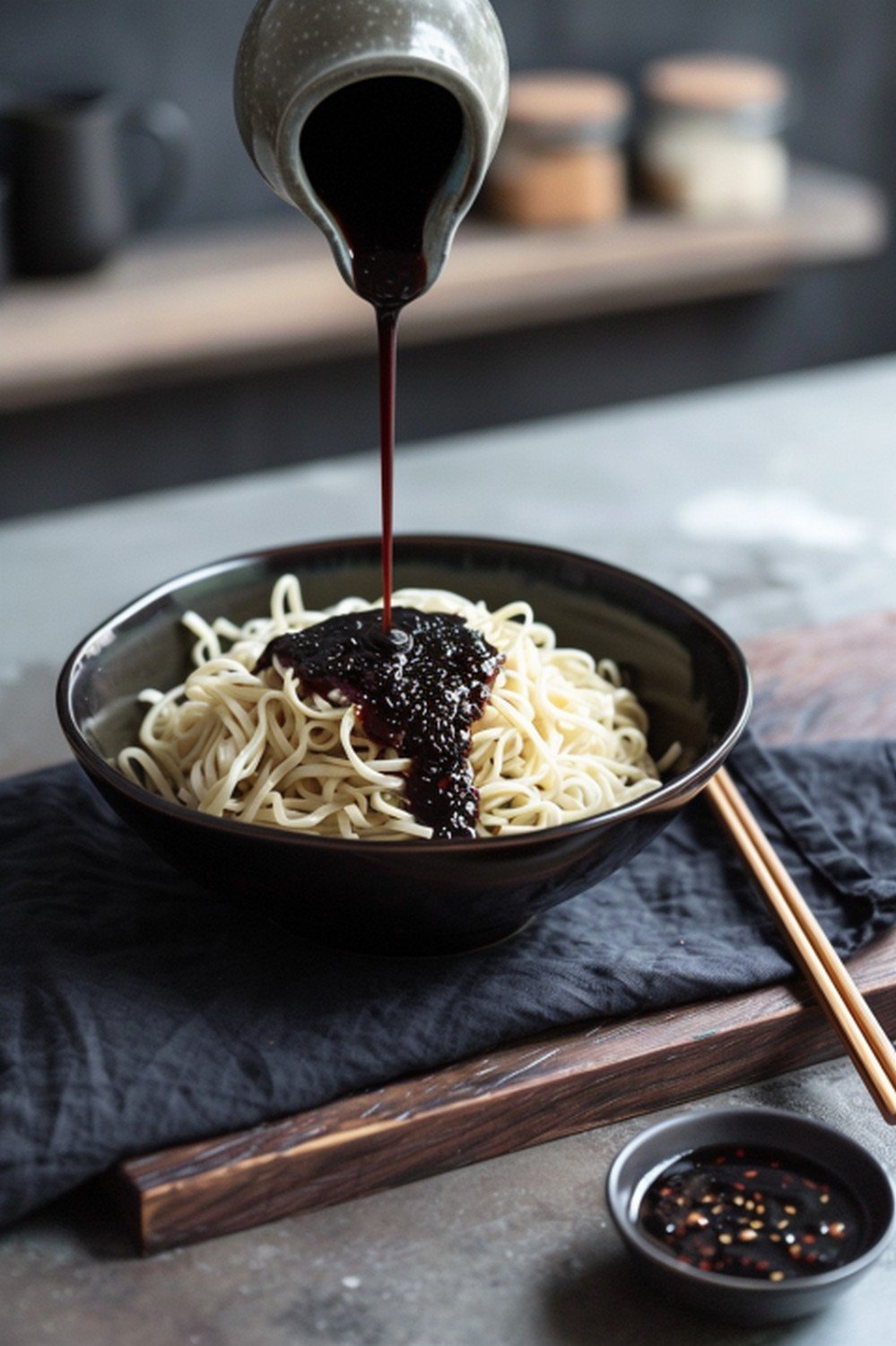
Add the cornstarch slurry and stir continuously for 30–60 seconds until the sauce thickens to a glossy, coating consistency. Remove from heat and stir in sesame oil. Toss immediately with cooked noodles or stir fry of choice.
That glossy, dark coating on the noodles is exactly right — thick enough to cling, loose enough to coat every strand perfectly.
What to Look For
The finished sauce should be deeply dark — almost black — glossy and thick enough to coat the back of a spoon without dripping immediately. You should see visible pieces of black bean and garlic throughout. The aroma should be intensely savory with a warm sesame finish.
Common Mistakes to Avoid
- Not rinsing the black beans — fermented black beans are intensely salty. A quick rinse removes excess surface salt without washing away the deep fermented flavor.
- Adding sesame oil during cooking — heat destroys sesame oil's fragrance completely. Always add it off the heat at the very end.
- Skipping the bloom step — cooking the black beans in hot oil first is what releases their umami compounds. Adding them directly to liquid gives you a flat, one-dimensional sauce.
Black Bean Garlic Sauce
Ingredients
- 3 tablespoon fermented black beans rinsed and roughly chopped
- 6 garlic cloves minced
- 1 tablespoon fresh ginger minced
- 2 tablespoon avocado oil or vegetable oil
- 2 tablespoon low sodium soy sauce
- 1 tablespoon oyster sauce
- 1 tablespoon Shaoxing rice wine or dry sherry
- 1 teaspoon sugar
- ½ teaspoon white pepper
- 1 teaspoon cornstarch mixed with 2 tablespoon water
- 1 teaspoon sesame oil
- ¼ cup chicken stock or water
Instructions
- Heat oil in wok or skillet over medium-high heat. Add rinsed chopped black beans, cook 60 seconds until fragrant and sizzling.
- Add minced garlic and ginger. Cook 60–90 seconds until golden and fragrant.
- Add Shaoxing wine, sizzle 30 seconds. Add soy sauce, oyster sauce, sugar, white pepper, and stock. Stir and simmer.
- Add cornstarch slurry, stir 30–60 seconds until glossy and thick. Remove from heat, stir in sesame oil. Toss with noodles or stir fry immediately.
Notes
Add sesame oil off the heat only — cooking destroys its fragrance entirely.
Freeze sauce base without cornstarch slurry for up to 3 months.
Pro Tips
- Use a wok if you have one — the high, even heat of a wok is what gives stir fry sauces that characteristic "wok hei" smoky depth that a regular skillet can only approximate.
- Make a double batch of the sauce base — cook the black bean and garlic base in larger quantities, freeze in ice cube trays, and thaw individual portions for instant weeknight stir fry.
- Balance the saltiness — taste before adding the cornstarch slurry. If it's too salty, add a splash more stock and a pinch more sugar. Black beans vary in intensity by brand.
Ingredient Swaps
- No Shaoxing wine? Dry sherry is the closest substitute — same fermented complexity, widely available. Mirin works too but adds more sweetness.
- No oyster sauce? Use hoisin sauce for a similar body and sweetness — slightly different flavor profile but works well in this sauce.
- Gluten-free version? Use tamari instead of soy sauce and check your oyster sauce label — some brands offer gluten-free versions.
Make It Your Way
- Beef and black bean stir fry — toss thinly sliced flank steak in the sauce with bell peppers and onions for the classic Chinese-American takeout dish.
- Eggplant with black bean sauce — roast cubed eggplant until golden, then toss in this sauce for a deeply savory vegetarian dish that tastes entirely meat-free.
- Spicy version — add 1 tablespoon of chili bean paste (doubanjiang) with the black beans for a fiery, complex variation with serious depth.
- Noodle bowl version — serve over thick udon or ramen noodles with a soft-boiled egg, scallions, and toasted sesame seeds for a complete bowl meal.
Storage & Meal Prep
Store in an airtight container in the fridge for up to 5 days. The flavor deepens and improves overnight as the fermented black bean flavor mellows and integrates. Reheat gently over medium heat with a splash of water or stock to restore the glossy consistency.
Freezes well for up to 3 months — freeze the sauce base without the cornstarch slurry and add fresh cornstarch when reheating. This is one of the best meal prep sauces you can have ready — instant restaurant-quality stir fry any night of the week.
Common Questions
Where do I find fermented black beans?
Any Asian grocery store carries them — usually in the condiments or dried goods aisle in small vacuum-sealed packages or jars. They're also widely available online. Lee Kum Kee brand is widely trusted and easy to find.
Can I use black bean paste instead of whole fermented black beans?
Yes — black bean garlic paste is a convenient substitute. Use 2 tablespoon and reduce the garlic in the recipe slightly since most pastes already contain garlic. The bloom step still applies — cook it in hot oil first.
Is black bean garlic sauce the same as black bean sauce?
Similar but not identical — black bean garlic sauce specifically emphasizes the garlic as a co-starring ingredient. Plain black bean sauce can be made without garlic. This recipe highlights both equally.
What protein works best with black bean garlic sauce?
Beef is the classic pairing — the bold sauce stands up to red meat beautifully. Pork, chicken, shrimp, tofu, and eggplant all work excellently. It's one of the most versatile savory sauces in Chinese cooking.
Can I make this sauce less salty?
Yes — rinse the black beans more thoroughly, use low sodium soy sauce, and reduce the oyster sauce by half. Taste before adding cornstarch and adjust with a pinch of sugar and splash of stock to balance.
Does this sauce work as a marinade?
Yes — thin it slightly with extra stock and use it as a marinade for beef or chicken for 30 minutes before stir frying. The fermented black beans tenderize the protein slightly and infuse deep flavor throughout.
You Might Also Like
- Hoisin Sauce — The Bold, Deep Version
- General Tso Sauce— The Best Version
- Panda Express Beijing Sauce — Better Than Any Restaurant
- 10 Best Asian Sauce Recipes That Beat the Bottle
- The Best PF Chang's Copycat Recipes to Make at Home
- 12 Best Pasta Sauce Recipes Organized by Type
- 7 Best Burger Sauces You Need to Try at Home
- 10 Best Sauces for Steak That Beat Any Steakhouse
Final Thoughts
Black bean garlic sauce is one of those recipes that completely changes how you approach weeknight cooking. Bold, deeply savory, and built from ingredients that cost almost nothing — this is the sauce that makes your home kitchen smell like a proper Chinese restaurant. Make it once and it earns a permanent spot in your rotation.
Save this before you forget it.

Jake Carter
Crave the restaurant version? I build the at-home one worth repeating.
Recipe developer & copycat flavor obsessive
I recreate the fast-food and restaurant flavors people miss most — then simplify them into recipes that feel doable, nostalgic, and genuinely satisfying at home.
Meet Jake & explore more recipes
Leave a Reply