
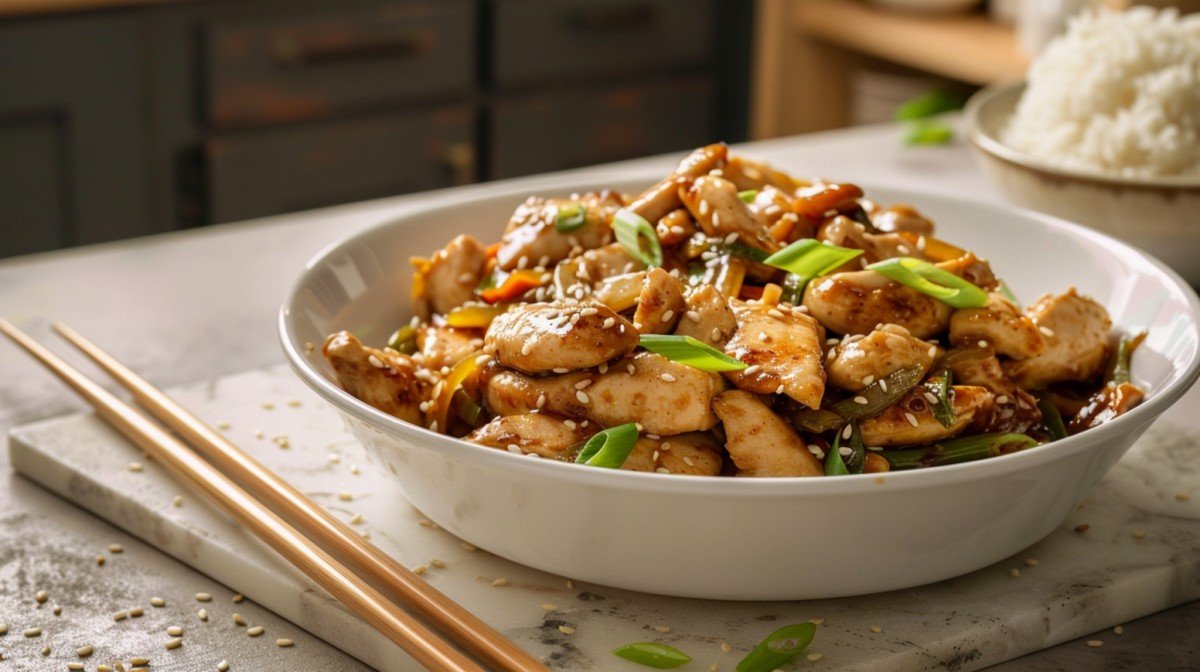
Once you make garlic ginger sauce from scratch, the bottled versions feel like a shortcut you no longer need. I made this on a Wednesday night with chicken thighs and whatever vegetables were left in the fridge — and it was on the table in under 20 minutes, better than any takeout I'd ordered that week.
Bright, punchy, aromatic — this is the sauce that makes every stir fry taste alive. Five minutes to make. Impossible to stop eating. Here's how.
Quick Answer
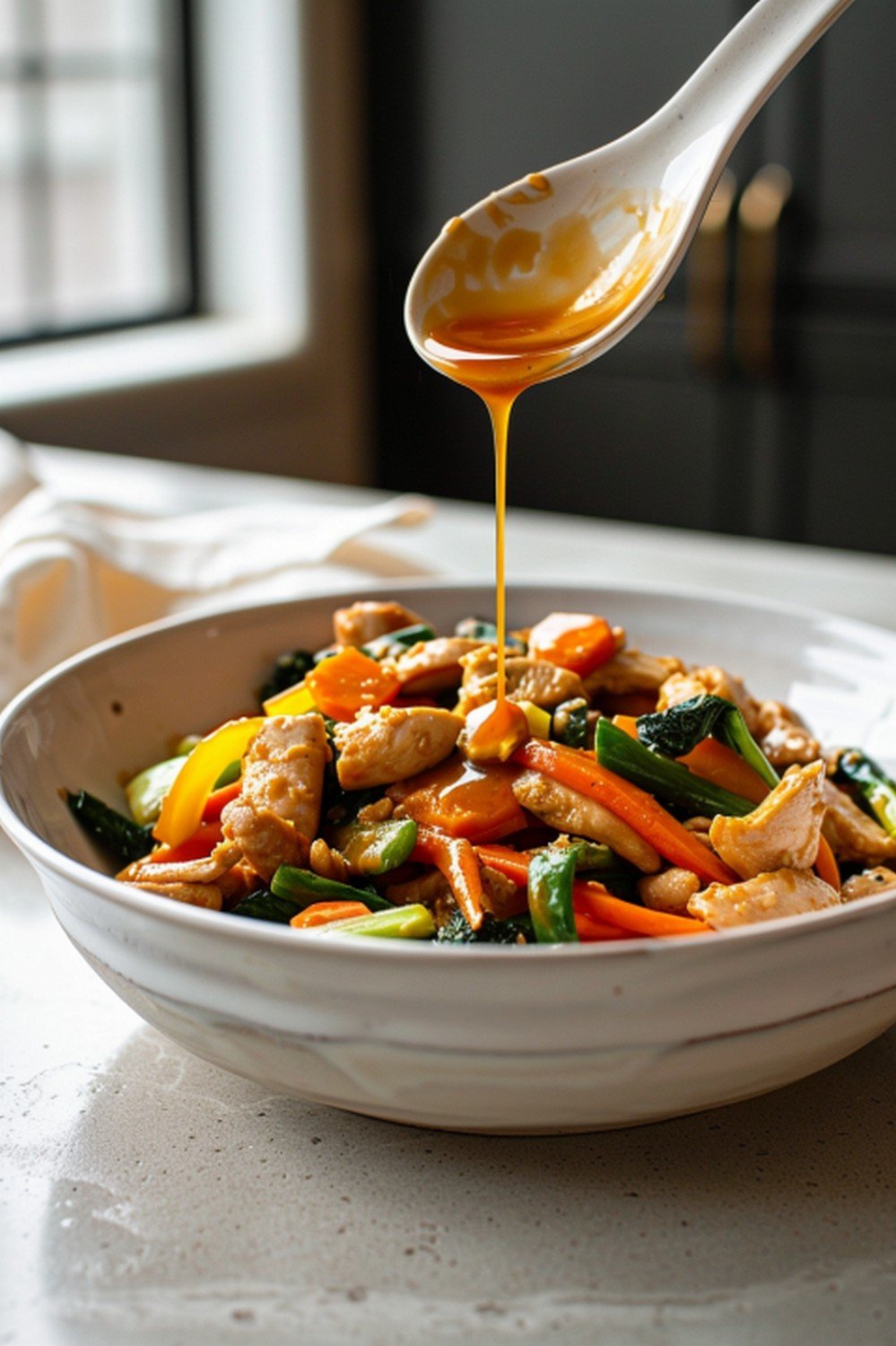
Garlic ginger sauce is made by whisking together fresh garlic, fresh ginger, soy sauce, sesame oil, rice vinegar, and cornstarch into a bright, punchy stir fry sauce that coats chicken, vegetables, and noodles in 5 minutes flat.
- Best with: Chicken stir fry — the perfect pairing
- Try it on: Bok choy and snap peas for a clean vegetable dish
- Use it on: Steamed dumplings as a dipping sauce
- Pair with: Asian Stir Fry Sauce — the universal base version
- Related: Black Bean and Garlic Sauce — the bolder, deeper version
This is the garlic ginger sauce recipe worth saving — fast, bright, and better than any bottle in the Asian aisle.
Why This Recipe Works
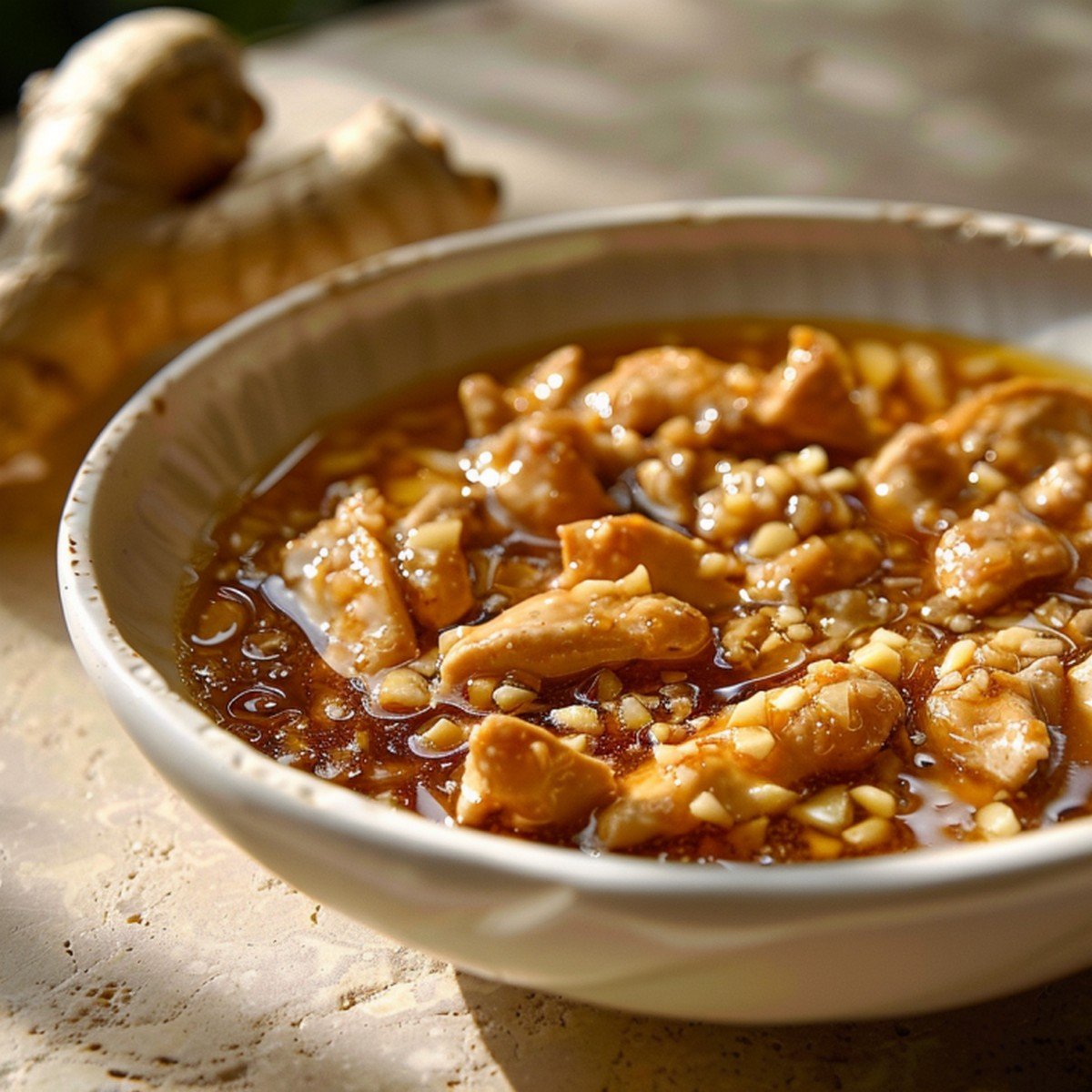
Garlic ginger sauce works because it leads with aromatics rather than building flavor over time. Both garlic and ginger are at their most potent when used fresh and added at the right moment — and this recipe maximizes both.
The ratio here is intentional — more ginger than most recipes call for, which is what gives this sauce its signature bright, slightly spicy, almost floral character. Ginger does something that garlic can't — it adds heat without heaviness and brightness without acidity.
Rice vinegar adds a clean, mild sharpness that lifts the whole sauce and keeps it from feeling flat or one-dimensional. Low sodium soy sauce provides the savory backbone. Sesame oil added off the heat brings a warm, toasted depth that rounds everything out perfectly.
Cornstarch is the finishing technique — it transforms this from a thin marinade into a glossy, restaurant-quality coating sauce that clings to every piece of chicken and every vegetable in the pan.
This is exactly what gives it that bright, authentic stir fry sauce flavor that makes your kitchen smell like the best takeout spot in the city.
What It Tastes Like
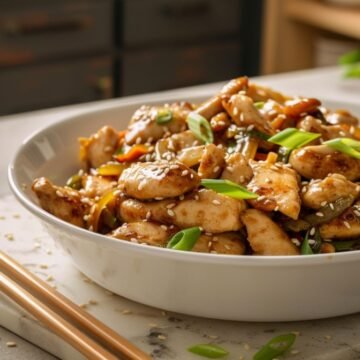
The texture is light and glossy — a thinner coating than a heavy black bean sauce, but clingy enough to lacquer every piece of protein and vegetable with flavor in every bite.
The first thing that hits is the ginger — sharp, warm, and bright, with a clean heat that spreads quickly. The garlic follows immediately as a savory, pungent backbone that grounds the brightness. The soy sauce adds depth and salt, and the sesame oil finish ties everything together with a warm, nutty note that lingers.
It tastes clean, bold, and deeply aromatic — the kind of sauce that makes you realize how much flavor five simple ingredients can produce.
Why You'll Keep Making This
- 5 minutes to make — faster than heating a pan
- Made entirely from pantry staples
- Works on chicken, beef, shrimp, tofu, and vegetables
- Doubles as a marinade and a stir fry finishing sauce
- Bright and clean — the antidote to heavy takeout
Ingredients You'll Need
- 4 garlic cloves, minced
- 2 tablespoon fresh ginger, minced or grated
- 3 tablespoon low sodium soy sauce
- 1 tablespoon rice vinegar
- 1 tablespoon honey or brown sugar
- 1 teaspoon sesame oil
- 1 teaspoon cornstarch
- 2 tablespoon chicken stock or water
- ½ teaspoon red pepper flakes (optional)
Why These Ingredients Matter
Fresh garlic and fresh ginger are both non-negotiable — jarred or powdered versions give you a fraction of the aromatic intensity that makes this sauce distinctive. Use a microplane or fine grater for the ginger to get maximum surface area and flavor release.
More ginger than garlic is the intentional ratio here — it's what makes this sauce taste bright and alive rather than just garlicky. The ginger-forward character is the defining feature.
Rice vinegar adds clean, mild acidity that lifts the sauce without sharpness. It's what prevents garlic ginger sauce from tasting flat or one-dimensional after the aromatics cook.
Honey balances the sharpness of the ginger and the saltiness of the soy sauce with natural sweetness. Brown sugar works equally well for a slightly more molasses-like depth.
Sesame oil added last — always off the heat — preserves its delicate toasted fragrance that disappears completely if cooked at high temperatures.
How to Make It
Step 1: Whisk the Sauce
Combine minced garlic, grated fresh ginger, soy sauce, rice vinegar, honey, chicken stock, and cornstarch in a small bowl. Whisk together until the cornstarch is fully dissolved and the mixture is smooth and unified. Set aside.
The aroma of raw garlic and ginger combined is already extraordinary — this sauce means business from the first second.
Step 2: Sear Your Protein
Heat 2 tablespoon avocado oil in a wok or large skillet over high heat until shimmering. Add chicken, beef, or vegetables and cook undisturbed for 2–3 minutes until golden and seared. Toss and cook another 2 minutes. Remove and set aside.
That sear is what gives the protein the texture to hold the sauce — don't rush it and don't overcrowd the pan.
Step 3: Add the Sauce
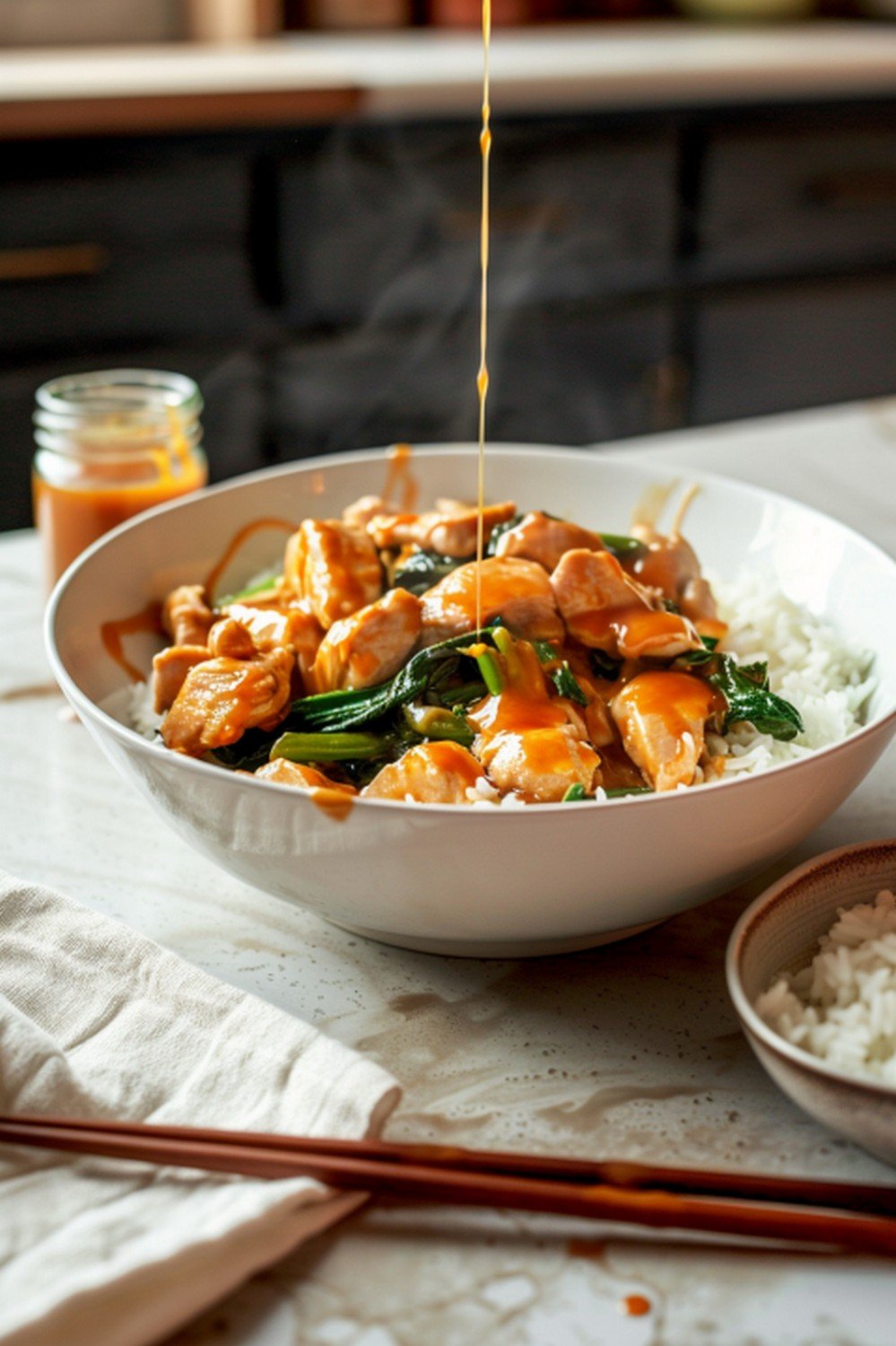
Reduce heat to medium. Pour the garlic ginger sauce into the same pan — it will sizzle and begin thickening immediately from the residual heat. Stir continuously for 30–60 seconds as the cornstarch activates and the sauce becomes glossy and thick.
Watch it transform from liquid to glossy coating in under a minute — this is the most satisfying moment in any stir fry.
Step 4: Toss and Finish
Return the seared protein and vegetables to the pan. Toss everything together over medium heat for 60 seconds until every piece is evenly coated in the glossy garlic ginger sauce. Remove from heat and drizzle sesame oil over the top. Serve immediately over steamed rice.
That glossy, lacquered coating on every piece of chicken is exactly what restaurant stir fry looks like — and you made it in 5 minutes.
What to Look For
The finished sauce should be glossy and slightly translucent — not opaque, not watery. It should coat every piece of food evenly without pooling at the bottom of the pan. The color should be a warm, golden-amber from the soy sauce and honey, with visible pieces of garlic and ginger throughout.
Common Mistakes to Avoid
- Using old garlic or jarred ginger — both lose their volatile aromatic compounds quickly. Fresh, sharp garlic and knobby fresh ginger are what make this sauce distinctive. Old aromatics produce a flat, muted sauce.
- Not dissolving the cornstarch before adding — always whisk the cornstarch with the liquid ingredients cold before it hits the pan. Undissolved cornstarch creates lumps that never smooth out.
- Adding sesame oil during cooking — it loses all fragrance at high heat. Always add it off the heat at the very end as a finishing drizzle.
Garlic Ginger Sauce
Ingredients
- 4 garlic cloves minced
- 2 tablespoon fresh ginger minced or grated
- 3 tablespoon low sodium soy sauce
- 1 tablespoon rice vinegar
- 1 tablespoon honey or brown sugar
- 1 teaspoon sesame oil
- 1 teaspoon cornstarch
- 2 tablespoon chicken stock or water
- ½ teaspoon red pepper flakes optional
Instructions
- Combine all ingredients except sesame oil in a small bowl. Whisk together until cornstarch is fully dissolved and sauce is smooth.
- Heat oil in wok or skillet over high heat. Sear protein or vegetables until golden. Remove and set aside.
- Reduce to medium heat. Pour sauce into same pan, stir continuously 30–60 seconds until glossy and thickened.
- Return protein and vegetables, toss 60 seconds until evenly coated. Remove from heat, drizzle sesame oil. Serve immediately over rice.
Notes
Always add sesame oil off the heat — cooking destroys its fragrance entirely.
Whisk sauce cold before adding to pan — undissolved cornstarch creates lumps.
Pro Tips
- Use a microplane for the ginger — grated ginger releases far more juice and flavor than minced. It distributes evenly through the sauce and delivers maximum ginger punch in every bite.
- Double the batch and refrigerate — garlic ginger sauce keeps beautifully for 5 days in the fridge. Whisk before each use as the cornstarch settles. Instant weeknight stir fry sauce ready whenever you need it.
- Use as a marinade — thin with 1 extra tablespoon of water and marinate chicken or beef for 30 minutes before cooking. The ginger tenderizes the protein slightly and the flavor penetrates deep.
Ingredient Swaps
- No rice vinegar? Apple cider vinegar works well — similar mild acidity with a slightly fruitier note that pairs naturally with the ginger.
- No fresh ginger? Use ½ teaspoon ginger paste from a tube — not quite the same freshness but significantly better than ground dried ginger. Fresh is always the goal.
- Gluten-free version? Swap soy sauce for tamari or coconut aminos — same savory depth, naturally gluten-free, works perfectly in this sauce.
Make It Your Way
- Spicy garlic ginger sauce — add 1 tablespoon of chili garlic sauce or double the red pepper flakes for a fiery version that works brilliantly on beef and shrimp.
- Citrus garlic ginger — add 1 tablespoon of fresh orange juice and ½ teaspoon orange zest for a bright, citrus-forward variation that pairs beautifully with salmon and chicken.
- Garlic ginger noodle sauce — add 1 extra tablespoon of soy sauce and 1 tablespoon of peanut butter for a richer, more substantial noodle sauce version.
- Garlic ginger dipping sauce — thin with 2 tablespoon of warm water, skip the cornstarch, and serve as a cold dipping sauce for steamed dumplings, spring rolls, or steamed vegetables.
Storage & Meal Prep
Store in an airtight jar or container in the fridge for up to 5 days. The cornstarch will settle — whisk well before each use to recombine. The sauce is best used within 3 days for maximum aromatic freshness as the garlic and ginger mellow over time.
For meal prep, make a double or triple batch and store in a sealed jar — instant stir fry sauce ready any night of the week. Does not freeze well due to the cornstarch — make fresh batches as needed. With a 5-minute prep time, it's faster to make fresh than to thaw.
Common Questions
Can I use ground ginger instead of fresh?
Fresh ginger is strongly recommended — it has a bright, almost floral heat that ground ginger simply cannot replicate. Ground ginger is earthy and muted by comparison. If fresh is unavailable, ginger paste from a tube is a reasonable substitute.
How much ginger is too much?
This recipe uses 2 tablespoon of fresh ginger, which is intentionally generous — it's what gives the sauce its signature bright character. If you prefer milder ginger, reduce to 1 tbsp. The sauce will still be excellent but less distinctively ginger-forward.
Can I use this sauce without cooking it?
Yes — skip the cornstarch and use it as a cold dipping sauce or marinade. As a raw sauce it's sharper and more intensely flavored, which works beautifully for dumplings and spring rolls.
What protein works best with garlic ginger sauce?
Chicken thighs are the ideal pairing — the sauce complements their richness perfectly. Shrimp cooks fast and absorbs the garlic ginger flavor beautifully. Beef, tofu, and any vegetable also work extremely well.
Can I make this ahead?
Yes — make up to 5 days ahead and store refrigerated. Whisk before each use as cornstarch settles. For the freshest aromatic flavor, use within 2–3 days as garlic and ginger mellow in the fridge over time.
Is garlic ginger sauce the same as teriyaki?
No — teriyaki is sweeter and uses mirin and sake as its base with a more caramelized flavor profile. Garlic ginger sauce is brighter, more aromatic, and less sweet with the ginger providing the dominant flavor rather than sweetness.
You Might Also Like
- Hoisin Sauce — The Bold, Deep Version
- General Tso Sauce— The Best Version
- Panda Express Beijing Sauce — Better Than Any Restaurant
- 10 Best Asian Sauce Recipes That Beat the Bottle
- The Best PF Chang's Copycat Recipes to Make at Home
- 12 Best Pasta Sauce Recipes Organized by Type
- 7 Best Burger Sauces You Need to Try at Home
- 10 Best Sauces for Steak That Beat Any Steakhouse
Final Thoughts
Garlic ginger sauce is the weeknight stir fry sauce that every home cook needs in their rotation — fast, bright, and deeply aromatic, it makes any protein and any vegetable taste like something worth sitting down for. Make a double batch on Sunday and eat well all week.
Pin this now — you'll thank yourself later.

Jake Carter
Crave the restaurant version? I build the at-home one worth repeating.
Recipe developer & copycat flavor obsessive
I recreate the fast-food and restaurant flavors people miss most — then simplify them into recipes that feel doable, nostalgic, and genuinely satisfying at home.
Meet Jake & explore more recipes
Leave a Reply