
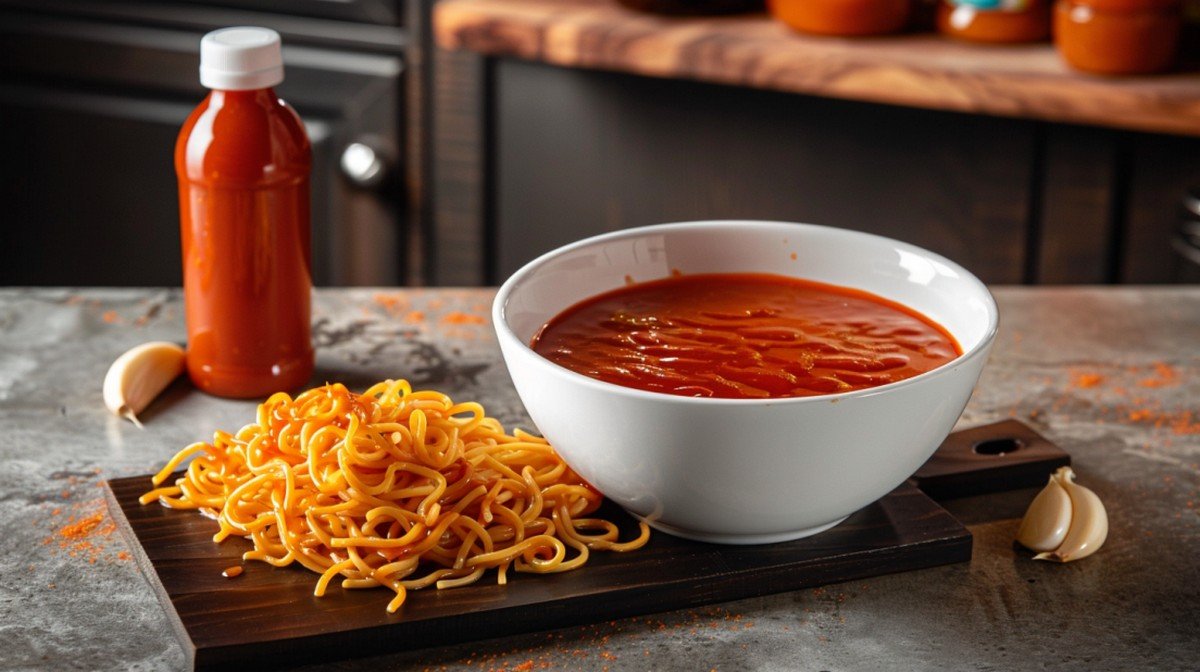
Once you make this, the bottled version won’t cut it anymore.
Bold, fiery, unapologetically intense — this sriracha stir fry sauce brings real heat.
I made it one night craving something stronger… and it stopped me mid-stir.
Punchy heat.
Deep savory flavor.
Glossy, clingy finish.
This is the sauce for people who mean it.
Quick Answer
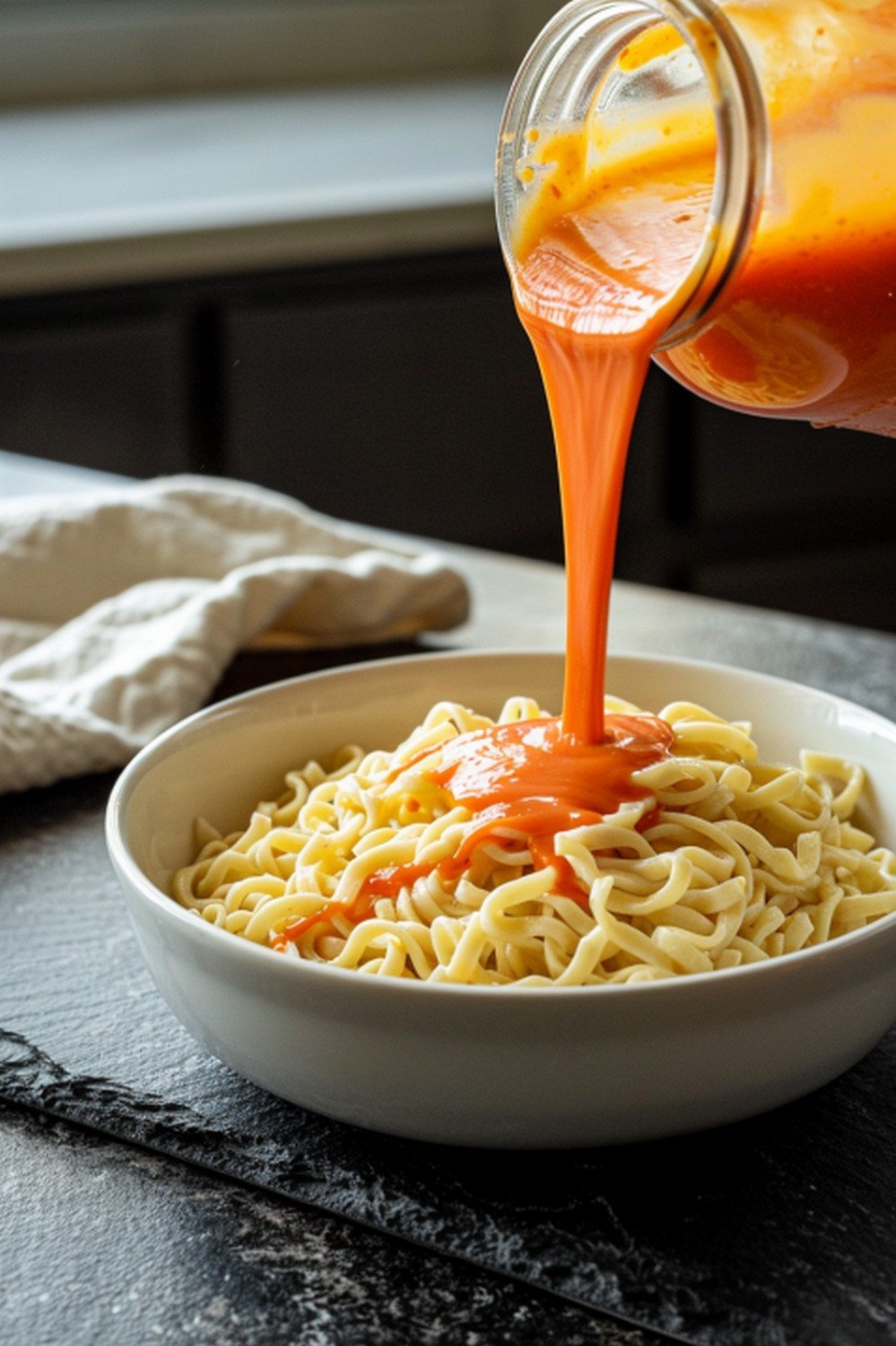
Spicy sriracha stir fry sauce is a bold, heat-forward sauce built on sriracha, soy sauce, garlic, honey, and sesame oil — ready in under 10 minutes and built for noodles, chicken, tofu, and vegetables.
- Toss with Spicy Sriracha Noodle Bowl
- Drizzle over Crispy Tofu Stir Fry
- Pair with Sweet Chili Stir Fry Sauce for a heat ladder
- Use as a base for Spicy Stir Fry Fried Rice
One batch coats two generous portions — triple it and refrigerate for the week.
Why This Recipe Works
Sriracha isn’t just heat — it’s layered flavor.
It’s made from fermented chili paste, which means you get spice, subtle sweetness, tang, and garlic all in one. That’s what gives this sauce real depth.
Soy sauce anchors everything, adding umami and balance so the heat doesn’t feel one-dimensional. Honey smooths it out, helping create that sticky, lightly caramelized glaze in the pan.
Fresh garlic boosts the aroma even more, while rice vinegar keeps the sauce bright and balanced. A drizzle of sesame oil finishes it with that signature stir fry flavor.
Cornstarch thickens it into a glossy, clingy coating that wraps perfectly around noodles, tofu, or chicken.
Why You'll Keep Making This
- Genuine heat that builds — not just surface spice
- Caramelizes in the wok into a sticky, fiery glaze
- Works on noodles, tofu, chicken, shrimp, and fried rice
- Customizable heat level — dial it up or down in seconds
- One bowl, under 10 minutes, zero specialty ingredients
What It Tastes Like
Heat hits first — immediate and direct, landing on the front of the tongue. Then the savory soy and garlic layer in underneath, giving the spice something to build on rather than just burn. The honey lingers at the finish, rounding off the heat with the faintest sweetness that keeps you going back.
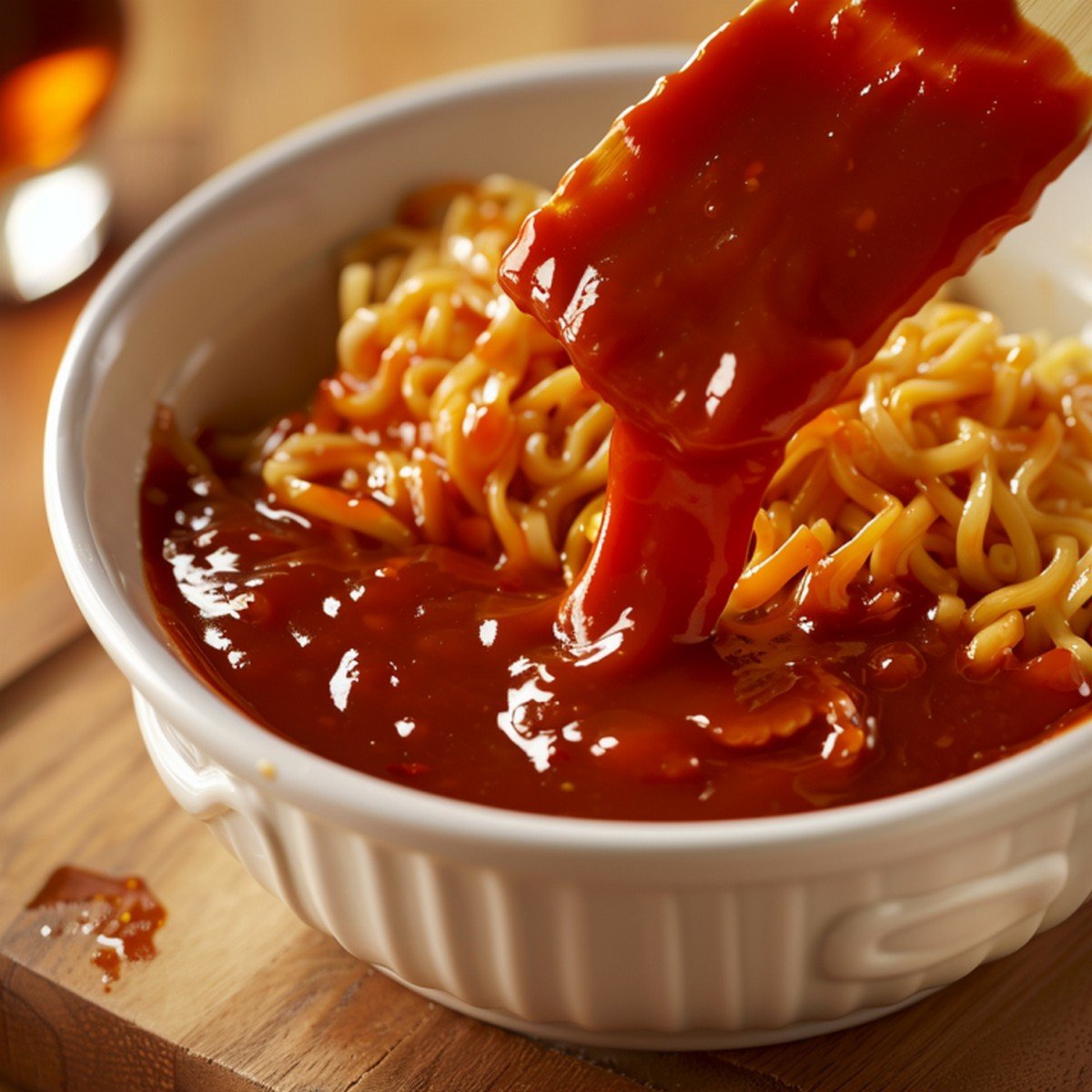
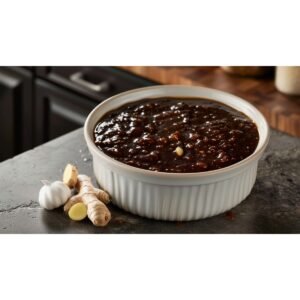
The texture is glossy and thick — not as translucent as sweet chili, more opaque and deeply colored. It clings aggressively to noodles and coats tofu with a deep reddish-orange glaze that looks as bold as it tastes. The kind of plate you photograph before you eat.
Ingredients You'll Need
- 3 tablespoons sriracha
- 2 tablespoons low-sodium soy sauce
- 1 tablespoon honey
- 3 cloves fresh garlic, minced
- 1 tablespoon sesame oil
- 1 tablespoon rice vinegar
- 1 teaspoon cornstarch
- 2 tablespoons water
- ½ teaspoon red pepper flakes (optional, for serious heat)
Why These Ingredients Matter
Sriracha is the backbone — it delivers heat, color, fermented chili depth, and a built-in garlic note that sets the foundation. Huy Fong is the standard reference here. Soy sauce is the savory anchor that transforms sriracha from condiment to stir fry sauce — it adds umami depth and salt that ground the heat. Honey is the balance move — it tempers the acidity, adds body, and caramelizes in the wok to create that sticky glazed finish. Fresh garlic amplifies the garlic already present in the sriracha and adds a sharper, more aromatic dimension. Always fresh, always minced fine. Rice vinegar keeps the sauce bright and cutting — without it, the combination of sriracha and soy can feel heavy. Sesame oil is the finishing note — toasty, nutty, and unmistakably Asian in character. Always add cold, never cook it directly. Cornstarch + water turns the liquid sauce into a glossy, protein-coating glaze on contact with high heat.
How to Make It
Step 1: Mix the Slurry
Whisk cornstarch and water in a small bowl until completely smooth with zero lumps. Set aside — this is the last ingredient in.
The slurry is what separates a real stir fry sauce from a hot sauce poured over food. Don't skip it.
Step 2: Build the Heat Base
In a medium bowl, combine sriracha, soy sauce, honey, minced garlic, rice vinegar, and sesame oil. Whisk until the honey is fully dissolved and the garlic is evenly distributed throughout.
The color at this stage should be a deep reddish-orange. If it looks right, it is right.
Step 3: Add the Cornstarch Slurry
Pour the slurry into the sauce base and whisk until fully incorporated. The sauce will look slightly thickened already — this is correct.
Get your wok screaming hot before this goes anywhere near it.
Step 4: Hit the Wok Hard
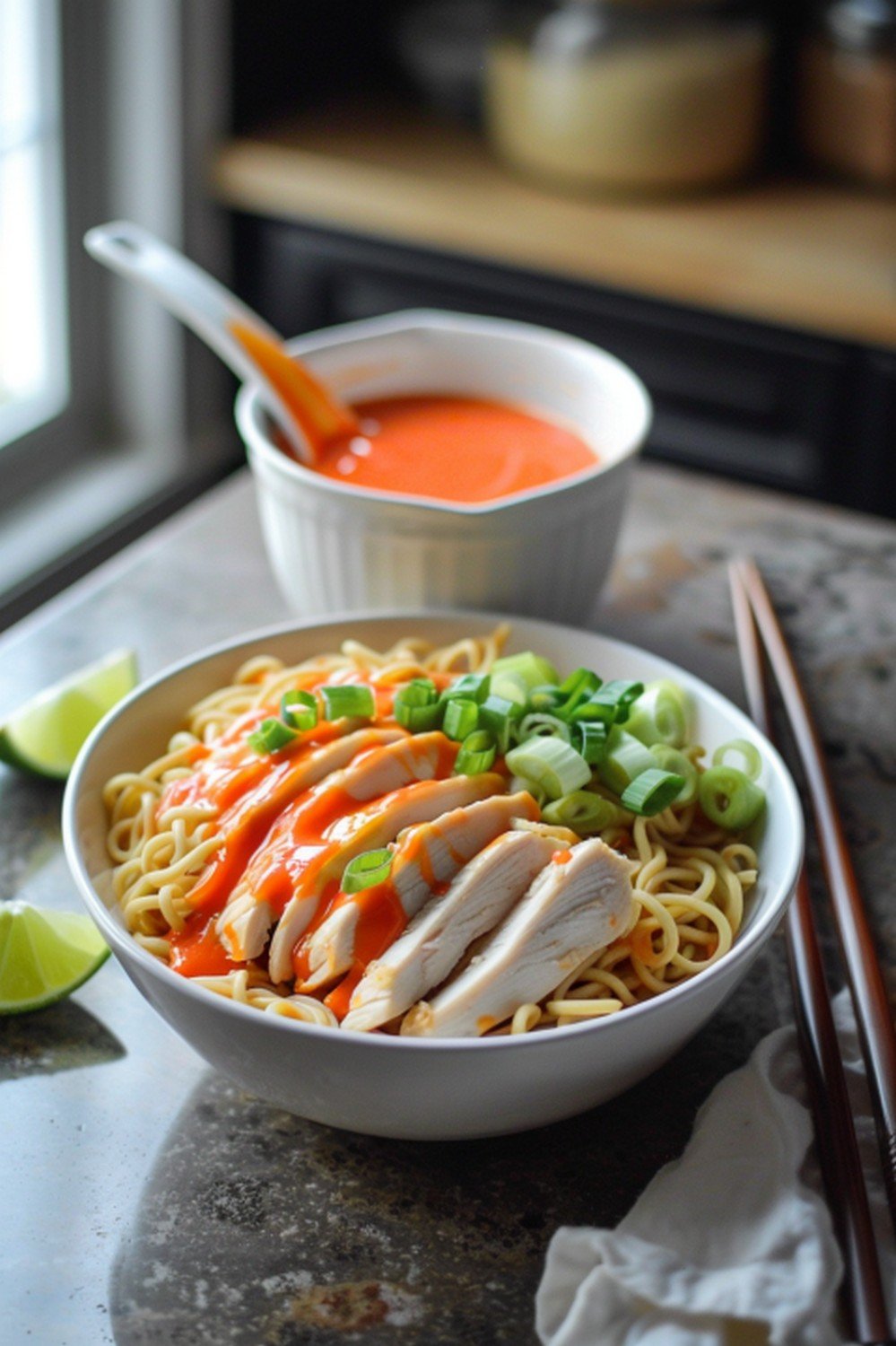
Push your cooked noodles, protein, or tofu to the sides of a ripping hot wok or skillet. Pour the sauce directly into the center. Stir constantly and aggressively for 30–45 seconds until the sauce thickens, darkens slightly, and starts to bubble at the edges with visible glaze forming.
Toss everything together immediately. Serve straight from the wok.
This is where the heat blooms and the kitchen fills with that bold, fiery aroma — this is the moment everything comes together.
Common Mistakes to Avoid
- Using too much sriracha without balancing with honey — the acidity becomes overwhelming without something to counteract it. The honey isn't optional for balance.
- Medium heat instead of high — this sauce needs the wok screaming hot to caramelize properly. Medium heat produces a flat, watery result without any glaze formation.
- Overcooking noodles before adding sauce — noodles should be just barely cooked before they go into the wok, because they'll continue cooking in the sauce for another 45 seconds.
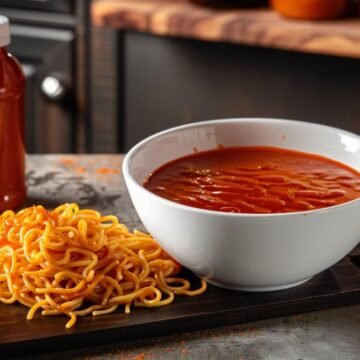
Spicy Sriracha Stir Fry Sauce
Ingredients
- 3 tablespoons sriracha
- 2 tablespoons low-sodium soy sauce
- 1 tablespoon honey
- 3 cloves fresh garlic minced
- 1 tablespoon sesame oil
- 1 tablespoon rice vinegar
- 1 teaspoon cornstarch
- 2 tablespoons water
- ½ teaspoon red pepper flakes optional
Instructions
- Whisk cornstarch and water in a small bowl until fully smooth. Set aside.
- In a medium bowl, combine sriracha, soy sauce, honey, minced garlic, rice vinegar, and sesame oil. Whisk until honey fully dissolves and garlic is evenly distributed.
- Stir cornstarch slurry into the sauce base and mix until fully incorporated.
- Heat wok or skillet over high heat. Cook protein or noodles, push to sides, pour sauce into center. Stir constantly 30–45 seconds until glossy, thickened, and slightly caramelized at edges. Toss everything together and serve immediately.
Notes
For cold noodles, skip the cornstarch entirely and toss sauce directly.
Store refrigerated up to 7 days. Freeze in ice cube portions up to 3 months.
Pro Tips
- Toast the garlic in oil for 30 seconds before adding the sauce if you want a deeper, more complex garlic flavor that isn't raw-sharp.
- Use fresh ramen or udon noodles if possible — their texture holds up better to aggressive tossing in a hot wok than dried noodles.
- Start with 2 tablespoons of sriracha and taste before adding the third — heat tolerance varies significantly and you can always add more but not less.
- Finish with a squeeze of fresh lime just before serving — it sharpens all the flavors and cuts through the richness of the glaze.
Ingredient Swaps
- Gochujang instead of sriracha — deeper, more fermented heat with a subtle smokiness; use slightly less as it's more concentrated
- Sambal oelek for a chunkier, less sweet version of the heat base
- Maple syrup instead of honey — slightly earthier sweetness, same balancing effect
- Tamari instead of soy sauce for a fully gluten-free version with identical flavor
Make It Your Way
Double heat version — Use 4 tablespoons of sriracha and add 1 teaspoon of chili oil on top of the finished dish. Not for the faint-hearted.
Spicy peanut sriracha — Whisk 1 tablespoon of natural peanut butter into the sauce base before cooking. It adds richness and a nutty depth that transforms this into a spicy peanut noodle sauce.
Milder everyday version — Drop sriracha to 1.5 tablespoons and increase honey to 1.5 tablespoons. You keep all the flavor complexity with significantly less heat — great for cooking for mixed crowds.
Storage & Meal Prep
Store in a sealed jar or airtight container in the refrigerator for up to 7 days. The sauce holds well and the heat mellows very slightly after 24 hours as the flavors integrate. Stir before using.
Freeze it? Yes — freeze in silicone ice cube trays and transfer to a zip-lock bag once solid. Keeps up to 3 months. Thaw overnight in the fridge. The heat level stays intact through freezing.
Common Questions
How spicy is this exactly?
At full sriracha ratio, this is a solid medium-hot. Noticeably spicy, heat that builds, but manageable for most people who like spicy food. Adding red pepper flakes pushes it to genuinely hot. Dropping to 1.5 tablespoons makes it mild-medium.
Can I use this on cold noodles?
Yes — skip the cornstarch slurry and toss with cold noodles directly for a spicy cold noodle salad. The sauce is excellent at room temperature without cooking.
Is sriracha the same as chili garlic sauce?
No — sriracha is smoother, sweeter, and more vinegar-forward. Chili garlic sauce is chunkier with visible seeds and more complex fermented heat. Both work in this recipe but produce different results.
My sauce is too spicy after cooking — can I fix it?
Add a tablespoon of honey and a small splash of coconut milk to the pan and toss again. Both reduce perceived heat without changing the overall character of the sauce significantly.
Does this work as a marinade?
Yes — skip the cornstarch and marinate chicken, tofu, or shrimp for 30–60 minutes before cooking. The sriracha's vinegar tenderizes slightly while the honey helps caramelization during cooking.
Can kids eat this?
At full ratio, no — this is genuinely spicy. The milder variation with 1.5 tablespoons of sriracha and more honey is family-friendly and still has great flavor without aggressive heat.
You Might Also Like
- Honey Garlic Stir Fry Sauce
- Teriyaki Stir Fry Sauce
- Garlic Ginger Stir Fry Sauce
- The Best PF Chang's Copycat Recipes to Make at Home
- 10 Best Asian Stir Fry Sauces You Need to Try
- Panda Express Beijing Sauce — Better Than Any Restaurant
- Ultime guide Asian Best SAuces
- 10 Best Asian Sauce Recipes That Beat the Bottle
Final Thoughts
Spicy sriracha stir fry sauce is the recipe for nights when you want food that actually makes an impression. It's unapologetically bold, takes under 10 minutes, and delivers the kind of heat that makes everything else taste like it's missing something. Once it's in your rotation, it stays there.
Pin this now — you'll thank yourself later.

Jake Carter
Crave the restaurant version? I build the at-home one worth repeating.
Recipe developer & copycat flavor obsessive
I recreate the fast-food and restaurant flavors people miss most — then simplify them into recipes that feel doable, nostalgic, and genuinely satisfying at home.
Meet Jake & explore more recipes
Leave a Reply