
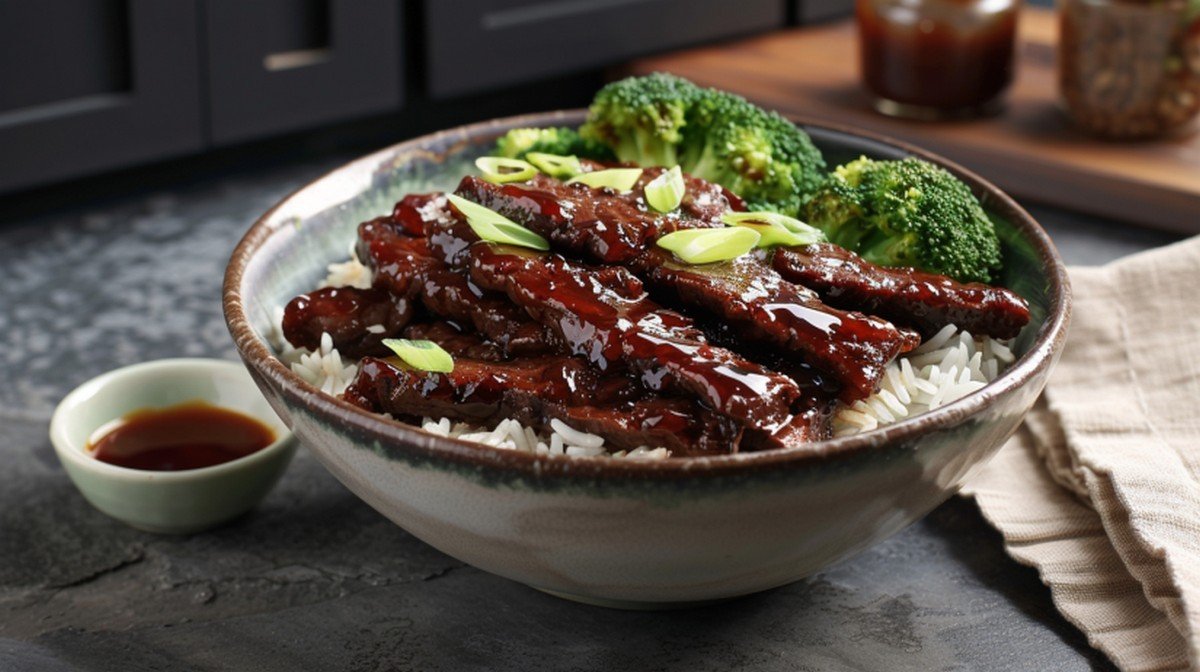
If you've ever wondered what gives Chinese-American beef dishes that deep, complex, almost smoky sweetness — this is it.Hoisin stir fry sauce is bold, rich, and layered in a way that most stir fry sauces simply aren't. It coats beef strips and noodles with a dark, glossy glaze that tastes like it took hours to develop. I made this for the first time on a Friday night when I was craving Peking duck flavors without the effort. What came out of that wok was so good I made it again the very next day.This is the sauce that makes people ask what restaurant you ordered from.
Quick Answer
Hoisin stir fry sauce is a rich, deeply flavored sauce built on hoisin sauce, soy sauce, garlic, sesame oil, and rice vinegar — ready in minutes and perfect for beef, noodles, chicken, and vegetables.
- Toss with Hoisin Beef Stir Fry
- Drizzle over Moo Shu Chicken Bowls
- Use as a glaze for Hoisin Glazed Salmon
- Pair with Garlic Ginger Stir Fry Sauce for a double depth night
One batch coats two generous portions — double it for meal prep all week.
Why This Recipe Works
Hoisin sauce brings instant depth — no extra work needed.
Made from fermented soybean paste, it delivers a rich mix of sweet, savory, and slightly tangy flavors all in one base. That’s what gives this sauce its signature complexity.
Soy sauce enhances the umami and deepens the flavor without overpowering it. Fresh garlic adds sharpness, while rice vinegar keeps everything balanced and prevents the sauce from feeling too heavy.
A touch of honey boosts the natural sweetness and helps create that glossy, caramelized finish in the pan. Sesame oil rounds it out with a warm, toasty note.
Cornstarch thickens it into a rich, dark glaze that coats beef, chicken, or veggies perfectly.
Why You'll Keep Making This
- Deep, complex, fermented flavor that no single ingredient can replicate
- Creates a dark, glossy restaurant-quality glaze in under a minute
- Works on beef, chicken, noodles, tofu, and duck equally well
- One batch lasts a week — flavor deepens every day
- Ready in under 10 minutes with ingredients from any grocery store
What It Tastes Like
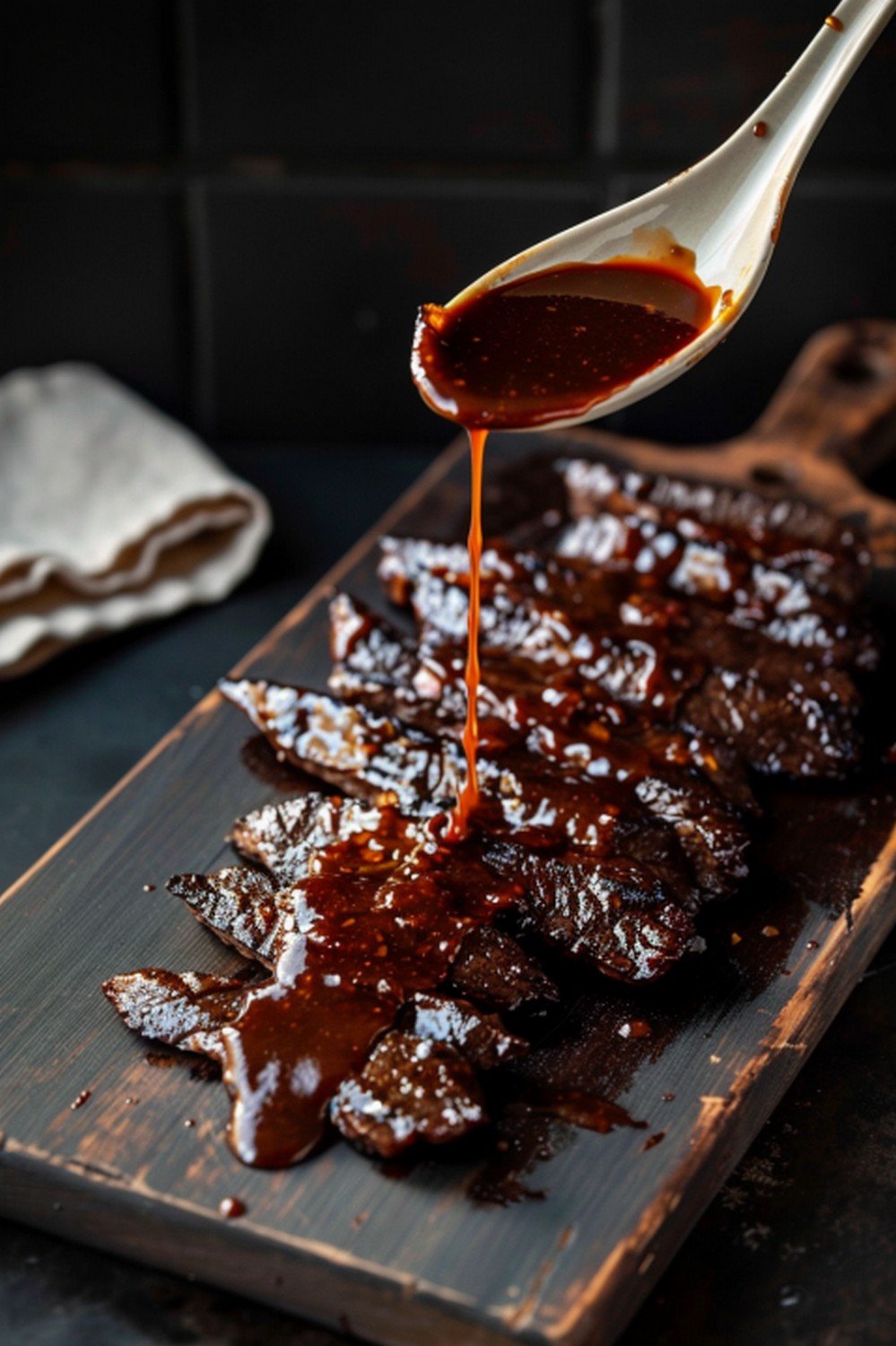
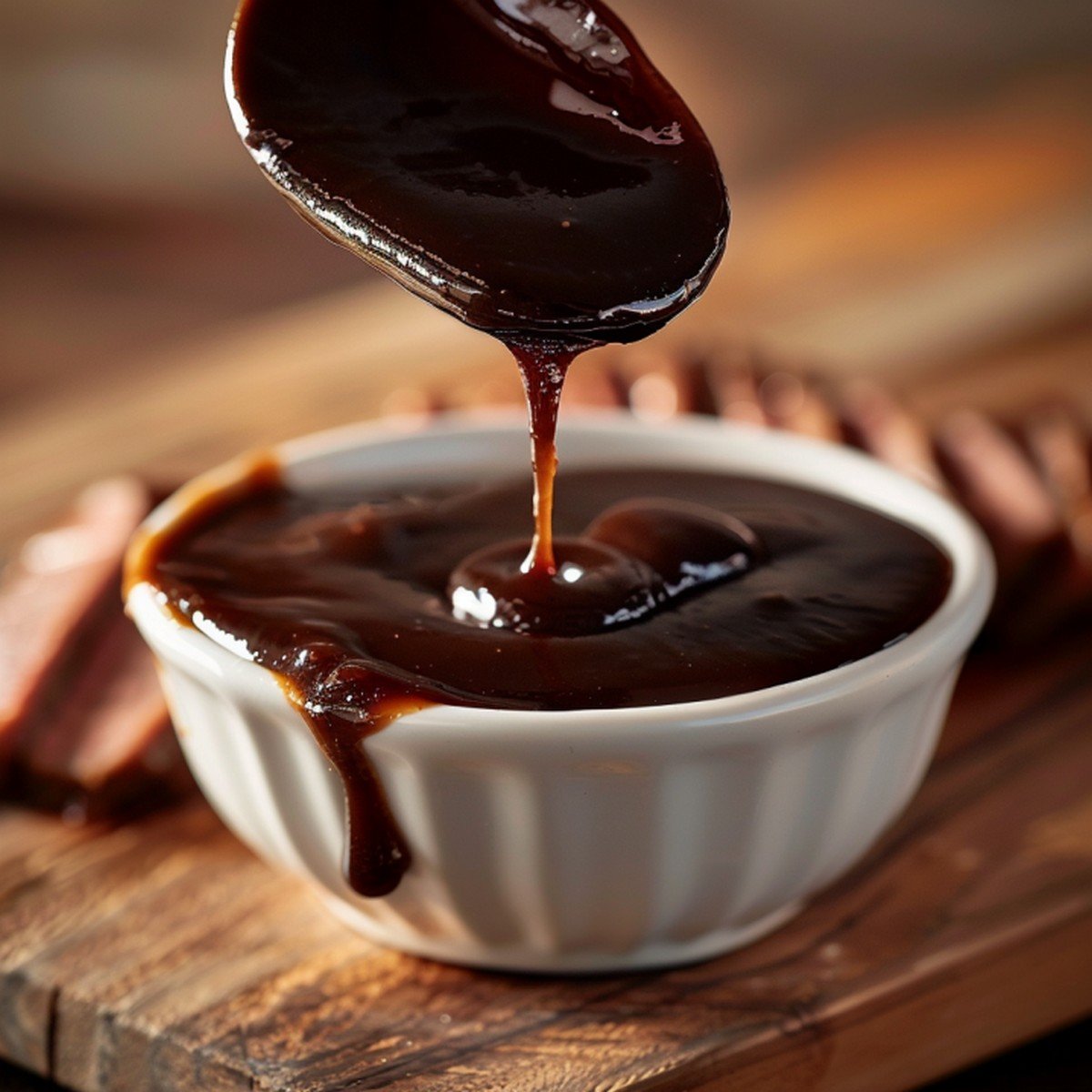
The first thing you notice is sweetness — warm and deep, not sharp or sugary. Then the fermented savory note from the hoisin hits mid-palate, complex and almost smoky, unlike anything else in the stir fry sauce world. Garlic and sesame oil come in at the finish, adding sharpness and a toasted nuttiness that lingers.The texture is dark, thick, and intensely glossy — it coats everything it touches with a deep mahogany-brown glaze that catches the light dramatically. When it caramelizes at the edges of the wok, it develops a slightly bittersweet char that is entirely the point of cooking with hoisin at high heat.
Ingredients You'll Need
- 3 tablespoons hoisin sauce
- 2 tablespoons low-sodium soy sauce
- 3 cloves fresh garlic, minced
- 1 tablespoon sesame oil
- 1 tablespoon rice vinegar
- 1 teaspoon honey
- 1 teaspoon cornstarch
- 2 tablespoons water
- ½ teaspoon five spice powder (optional, for depth)
Why These Ingredients Matter
Hoisin sauce is the foundation and the star — its fermented soybean base provides sweetness, depth, and complexity that no other single ingredient can replicate. Lee Kum Kee is the gold standard brand. Soy sauce extends the savory base and adds straight umami without competing with the hoisin's character. Fresh garlic cuts through the richness with sharpness and aromatic intensity — always fresh, always minced fine. Sesame oil is the finishing note that signals to every palate exactly what kind of cuisine this is. Add it cold to the sauce base, never directly to the hot pan. Rice vinegar is the brightness agent that prevents the hoisin's natural sweetness from becoming cloying. Honey amplifies the sweetness and drives caramelization in the wok. Five spice powder is optional but adds an authentic Chinese-restaurant aromatic complexity that works beautifully with beef and duck. Cornstarch + water thickens everything into the proper mahogany glaze on contact with heat.
How to Make It
Step 1: Prepare the Cornstarch Slurry
Whisk cornstarch and water together in a small bowl until completely smooth. Set aside — this always goes in last.Prep this first so nothing slows you down when the wok is hot and ready.
Step 2: Build the Hoisin Base
In a medium bowl, whisk together hoisin sauce, soy sauce, minced garlic, sesame oil, rice vinegar, and honey until fully combined. Add five spice powder if using.The color at this stage is already a deep mahogany brown — it gets darker and more intense in the wok.
Step 3: Add the Cornstarch Slurry
Pour the slurry into the hoisin base and whisk until fully incorporated. The sauce will look thick and very dark at this stage — that's exactly right.This sauce is ready to transform the moment heat hits it. Get the wok screaming hot.
Step 4: Glaze in the Wok
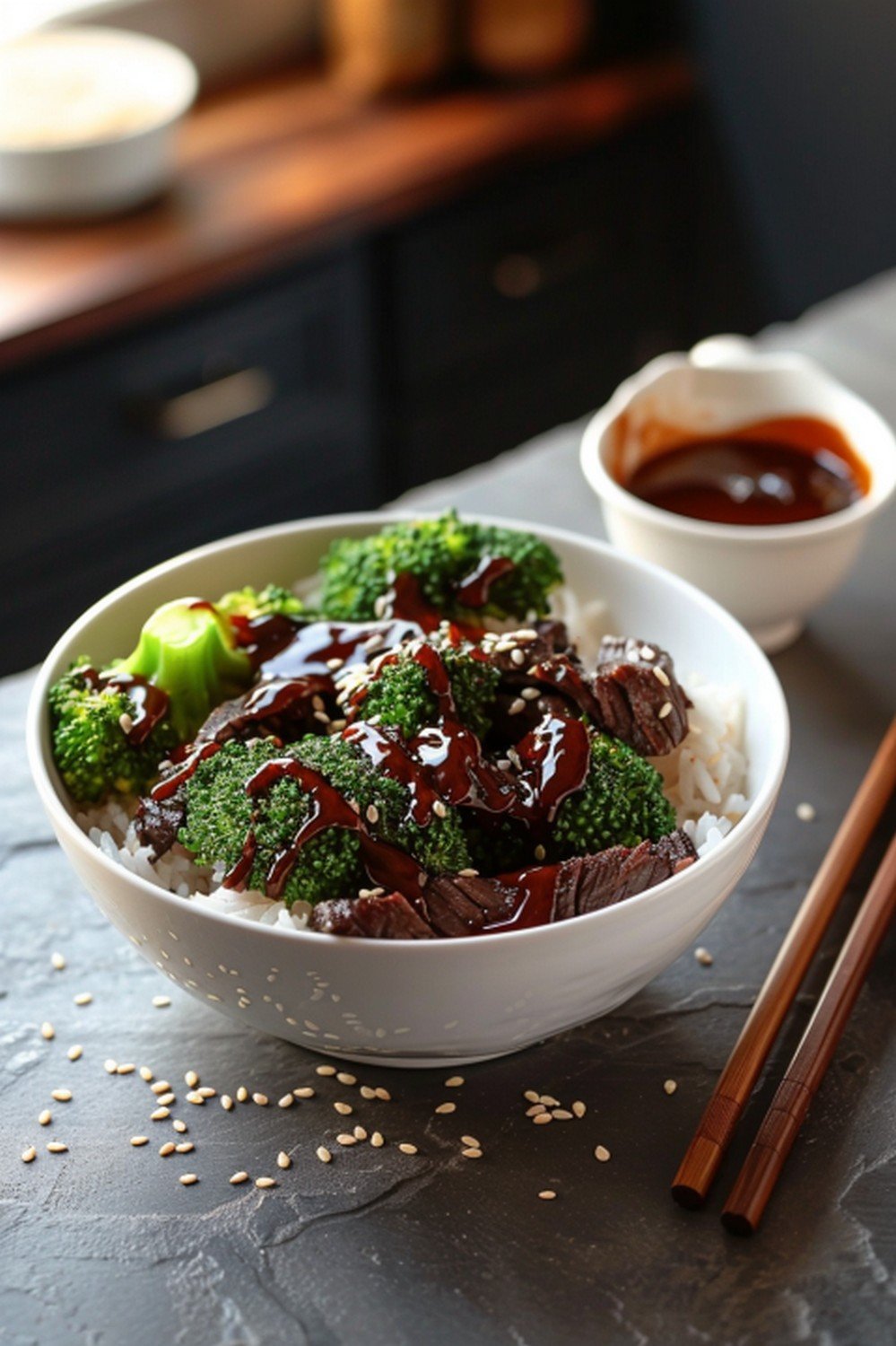
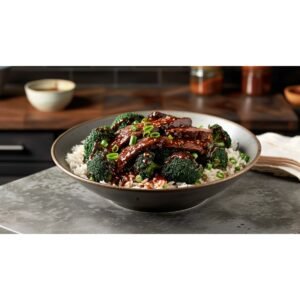
Push your cooked beef strips to the sides of a ripping hot wok or skillet. Pour the hoisin sauce directly into the center. Stir constantly for 45–60 seconds as the sauce thickens, darkens at the edges, and turns deeply glossy.Toss everything together until every surface of the beef is coated in the dark, lacquered glaze. Serve immediately over steamed rice with sliced scallions on top.This is the moment the kitchen smells like the best Chinese restaurant you've ever been to — that hoisin caramelizing in a hot wok is an aroma that makes everyone walk in from the other room.
What to Look For
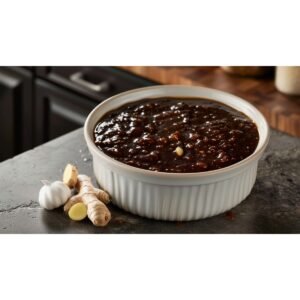
The finished sauce should be deeply mahogany, intensely glossy, and thick enough to coat beef strips without running. The edges of the wok should show dark caramelization — sticky, slightly charred residue that tells you the glaze formed exactly right. That char is flavor, not a mistake.
Common Mistakes to Avoid
- Using too much hoisin without balancing with vinegar — hoisin is naturally very sweet and can become cloying without the rice vinegar to counterbalance. Never skip the acid.
- Medium or low heat — hoisin sauce needs high heat to caramelize and develop its characteristic deeply complex glaze. Low heat produces a flat, overly sweet result.
- Overcrowding the pan before adding sauce — protein needs space to sear properly first. A crowded pan steams everything and prevents the glaze from forming correctly.
Pro Tips
- Lee Kum Kee hoisin sauce is noticeably better than most grocery store brands — the flavor is more complex and less artificially sweet. Worth seeking out.
- Add a tablespoon of Shaoxing wine to the sauce base if you have it — it adds an authentic depth that takes this sauce from great to exceptional.
- Slice beef paper thin against the grain — thin cuts cook in seconds in a hot wok and absorb the hoisin glaze completely rather than just coating the surface.
- Reserve a small amount of sauce to drizzle fresh over the finished dish — the contrast between the cooked glaze and fresh sauce adds a brightness that makes the dish noticeably better.
Ingredient Swaps
- Tamari instead of soy sauce for a gluten-free version — check hoisin sauce label as some brands contain wheat
- Maple syrup instead of honey — slightly earthier sweetness, same caramelization effect
- Apple cider vinegar instead of rice vinegar — use slightly less, it's sharper
- Oyster sauce replacing half the hoisin — creates a more savory, less sweet profile that works beautifully with beef and broccoli
Make It Your Way
Spicy hoisin — Add 1 teaspoon of chili garlic sauce or sambal oelek to the base. The heat cuts through hoisin's sweetness and adds a dimension that works especially well with beef and noodles.Hoisin ginger — Add 1 teaspoon of freshly grated ginger alongside the garlic. It adds a warming brightness that lifts the fermented depth of the hoisin and makes the sauce feel more complex and layered.Hoisin duck glaze — Double the honey to 2 teaspoons and add ½ teaspoon of five spice powder. Brush onto duck breast or chicken thighs before roasting at 400°F for a Peking-inspired lacquered finish that's genuinely extraordinary.
Storage & Meal Prep
Store in a sealed jar or airtight container in the refrigerator for up to 7 days. The flavor deepens significantly after 24 hours as the hoisin and garlic integrate — this sauce is noticeably better on day two. Stir well before using as ingredients may settle slightly.Freeze it? Yes — pour into silicone ice cube trays, freeze solid, and transfer to a zip-lock bag. Each cube is one portion. Keeps up to 3 months with no significant flavor loss.
Common Questions
What does hoisin sauce taste like on its own?
Hoisin is sweet, salty, and deeply savory with a faint spice and a fermented complexity that's unlike any Western condiment. It's often compared to a Chinese-style barbecue sauce — but richer and more complex. Using it as a stir fry base amplifies all those qualities.Is this the same as Peking sauce?
Very similar — Peking sauce is essentially hoisin-based with additions that vary by restaurant. This recipe captures the same flavor profile in a format that works perfectly for stir fry applications.Can I use this on noodles?
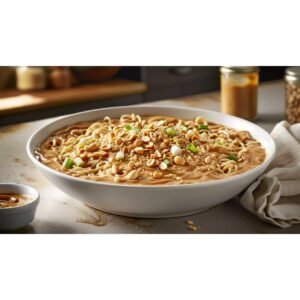
Absolutely — thin the sauce slightly with an extra tablespoon of water and toss with udon or ramen noodles over high heat. The dark hoisin glaze coats thick noodles beautifully and produces a dish that looks and tastes restaurant-quality.My sauce is too sweet — how do I fix it?
Add more rice vinegar — start with half a teaspoon at a time and taste after each addition. The acidity immediately cuts hoisin's sweetness without changing the overall character of the sauce.Can I use hoisin sauce as the only ingredient?
You could, but it would be too sweet, too thick, and one-dimensional. The soy sauce, vinegar, and garlic in this recipe are what transform hoisin from a condiment into a proper stir fry sauce with balance and depth.Does this work as a dipping sauce?
Yes — skip the cornstarch slurry entirely and serve at room temperature. Add a splash more rice vinegar and a drizzle of sesame oil on top. It works perfectly with dumplings, spring rolls, and Peking duck pancakes.
You Might Also Like
- Garlic Ginger Stir Fry Sauce
- Oyster Stir Fry Sauce
- Hoisin Beef and Broccoli
- Moo Shu Chicken Bowl
- 10 Best Asian Stir Fry Sauces You Need to Try
- Panda Express Copycat Recipes to Make at Home
- Meal Prep & Make-Ahead Sauces for the Week
- Easy Hoisin Glazed Salmon
Final Thoughts
Hoisin stir fry sauce is the recipe that makes people think you've been cooking Chinese food seriously for years. The fermented depth, the dark glossy glaze, the complex sweetness that develops at the edges of the wok — it's all there in under 10 minutes. Once you've made beef stir fry with this sauce, the bottled versions will never seem like enough.Save this before you forget it.

Jake Carter
Crave the restaurant version? I build the at-home one worth repeating.
Recipe developer & copycat flavor obsessive
I recreate the fast-food and restaurant flavors people miss most — then simplify them into recipes that feel doable, nostalgic, and genuinely satisfying at home.
Meet Jake & explore more recipes
Leave a Reply