
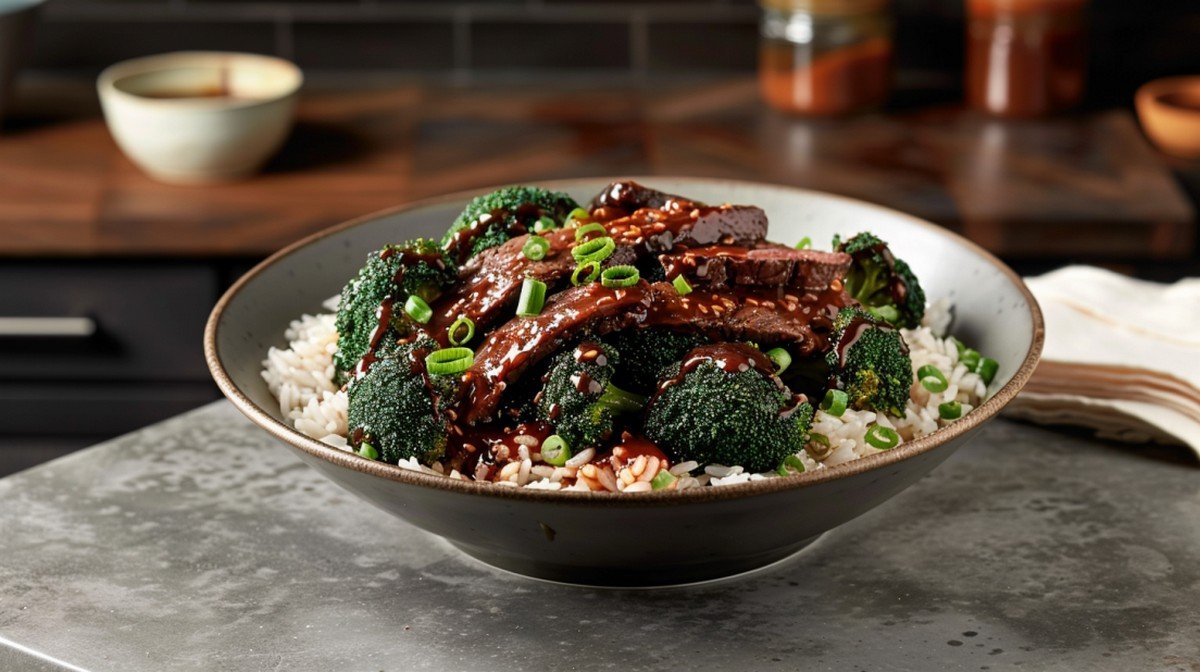
Once you cook with real oyster sauce, everything else feels like it’s missing something.
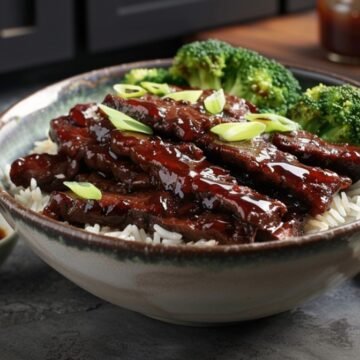
That deep, briny, savory umami — the kind that coats broccoli and beef in a rich, glossy glaze that tastes like it simmered for hours.
I tried it on a simple pan of broccoli with zero expectations…
and it completely stopped me.
This is the sauce behind those restaurant-style stir fries you could never quite recreate at home.
Until now.
Quick Answer
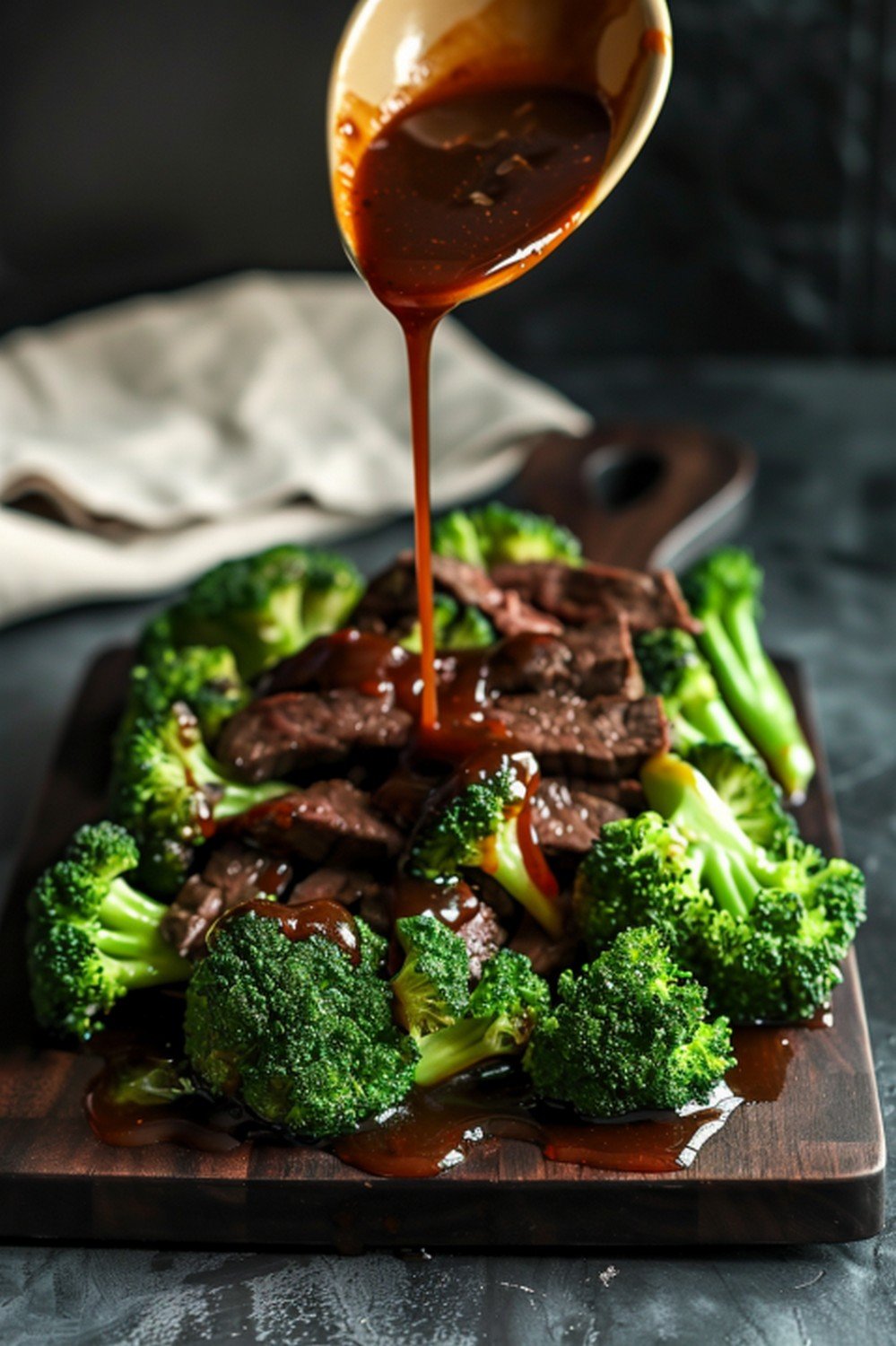
Oyster stir fry sauce is a rich, deeply savory sauce built on oyster sauce, soy sauce, garlic, sesame oil, and a touch of sugar — ready in minutes and perfect for broccoli, beef, chicken, and vegetables.
- Toss with Beef and Broccoli Stir Fry
- Drizzle over Chinese Broccoli with Oyster Sauce
- Use as a glaze for Oyster Sauce Chicken Thighs
- Pair with Hoisin Stir Fry Sauce for a double umami night
One batch coats two generous portions — double it and store for the whole week.
Why This Recipe Works
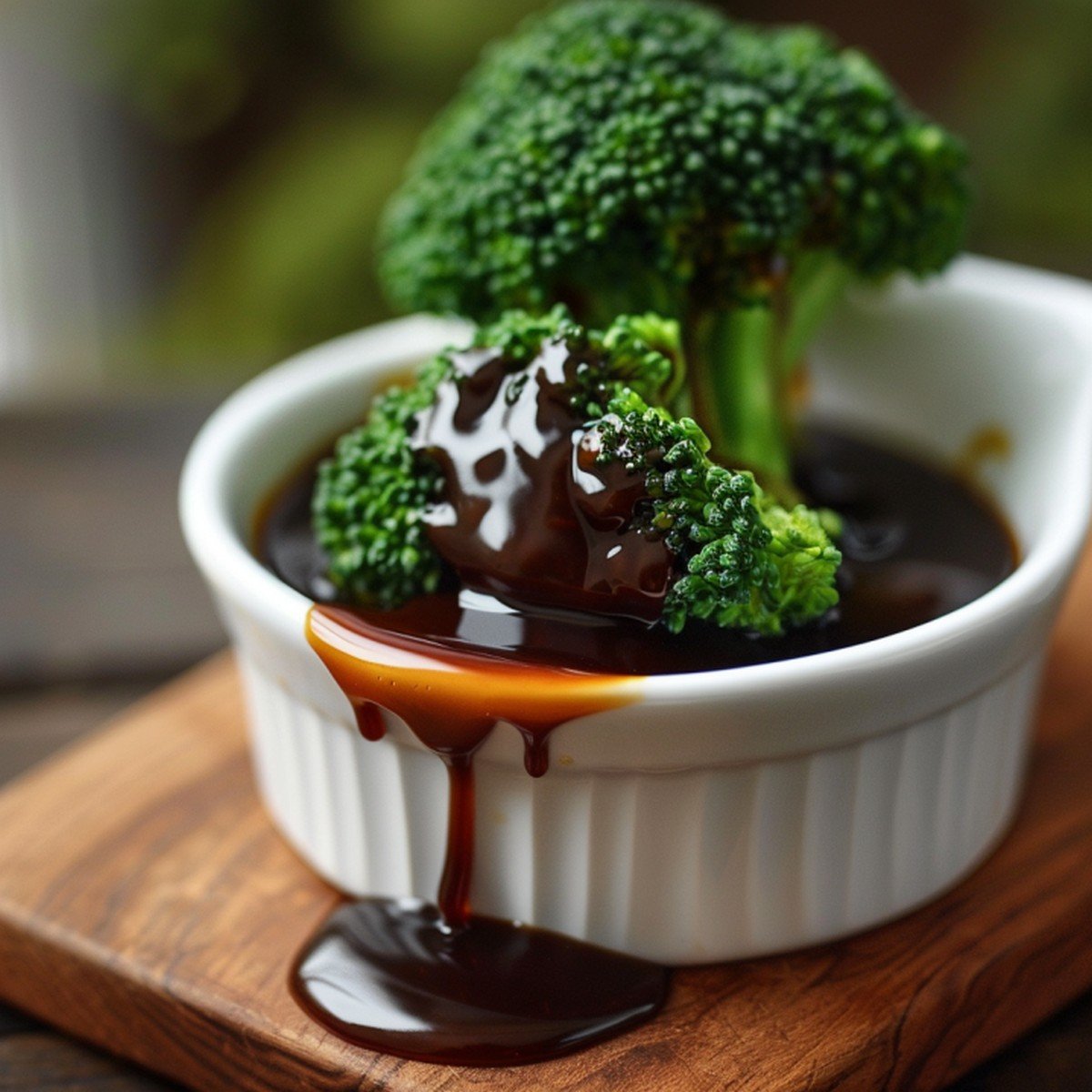
Oyster sauce is all about deep umami — that’s the secret.
It doesn’t taste fishy. Instead, it brings a rich, savory depth that instantly makes veggies and beef taste like restaurant stir fry.
Soy sauce builds on that base, adding salt and balance without overpowering it. Fresh garlic cuts through the richness with sharp aroma, while a touch of sugar creates that glossy, lightly caramelized finish.
Sesame oil adds a warm, toasty note, and white pepper brings a subtle heat that blends right into the sauce.
Cornstarch thickens everything into a smooth, dark glaze that coats broccoli, beef, or chicken perfectly.
That’s what creates that true takeout-style oyster sauce flavor at home.
Why You'll Keep Making This
- Pure concentrated umami depth that no other sauce delivers
- Makes vegetables taste as good as the protein beside them
- Dark, glossy, restaurant-quality glaze in under a minute
- White pepper adds invisible complexity that makes people ask what's in it
- Ready in under 10 minutes — faster than any delivery order
What It Tastes Like
The first thing you notice is depth — not sweetness, not heat, just pure savory richness that lands immediately and builds. The oyster sauce umami is upfront and unmistakable, followed by the soy's sharper salt note underneath. Garlic comes in mid-palate, and white pepper lingers at the finish with a subtle warmth that you feel more than you taste.The texture is dark, glossy, and thick — coating broccoli florets completely and filling every crevice of the vegetable with the deep mahogany glaze. When it caramelizes in the wok, the edges of the pan develop a slightly charred, intensely savory residue that is entirely the signature of proper high-heat oyster sauce cooking.
Ingredients You'll Need
- 3 tablespoons oyster sauce
- 2 tablespoons low-sodium soy sauce
- 3 cloves fresh garlic, minced
- 1 tablespoon sesame oil
- 1 teaspoon sugar
- ¼ teaspoon white pepper
- 1 teaspoon cornstarch
- 3 tablespoons water
- 1 teaspoon Shaoxing wine (optional, for depth)
Why These Ingredients Matter
Oyster sauce is the foundation and the reason this sauce exists — its concentrated umami depth is what makes this taste like restaurant cooking rather than home cooking. Lee Kum Kee Panda Brand is the gold standard. Soy sauce extends the savory base and adds salt and color — low-sodium keeps the sauce balanced without losing depth. Fresh garlic provides aromatic sharpness that cuts through the richness of both sauces — always fresh, always minced fine. Sesame oil is the toasty, nutty finishing note that signals serious stir fry cooking — add it cold to the sauce, never to the hot pan directly. Sugar balances the salt and drives the caramelization that creates the glossy edges in the wok. White pepper is the invisible complexity ingredient — earthy, subtle heat that integrates completely into the glaze. Shaoxing wine adds an authentic fermented depth that takes this sauce from great to exceptional if you have it. Cornstarch + water thickens everything into the proper glossy, clingy glaze on contact with heat.
How to Make It
Step 1: Mix the Cornstarch Slurry
Whisk cornstarch and water together in a small bowl until completely smooth and lump-free. Set aside — this always goes in last.Three tablespoons of water instead of two — oyster sauce is already thick and needs slightly more liquid to reach the right glaze consistency.
Step 2: Build the Oyster Sauce Base
In a medium bowl, combine oyster sauce, soy sauce, minced garlic, sesame oil, sugar, white pepper, and Shaoxing wine if using. Whisk until the sugar dissolves completely and everything is evenly combined.The sauce at this stage is already deeply dark and intensely aromatic — what happens in the wok takes it further still.
Step 3: Add the Cornstarch Slurry
Pour the slurry into the sauce base and whisk until fully incorporated. The sauce will look thick and very dark — this is exactly right.Your wok needs to be at its hottest before this goes in. High heat is non-negotiable with oyster sauce.
Step 4: Finish in the Wok
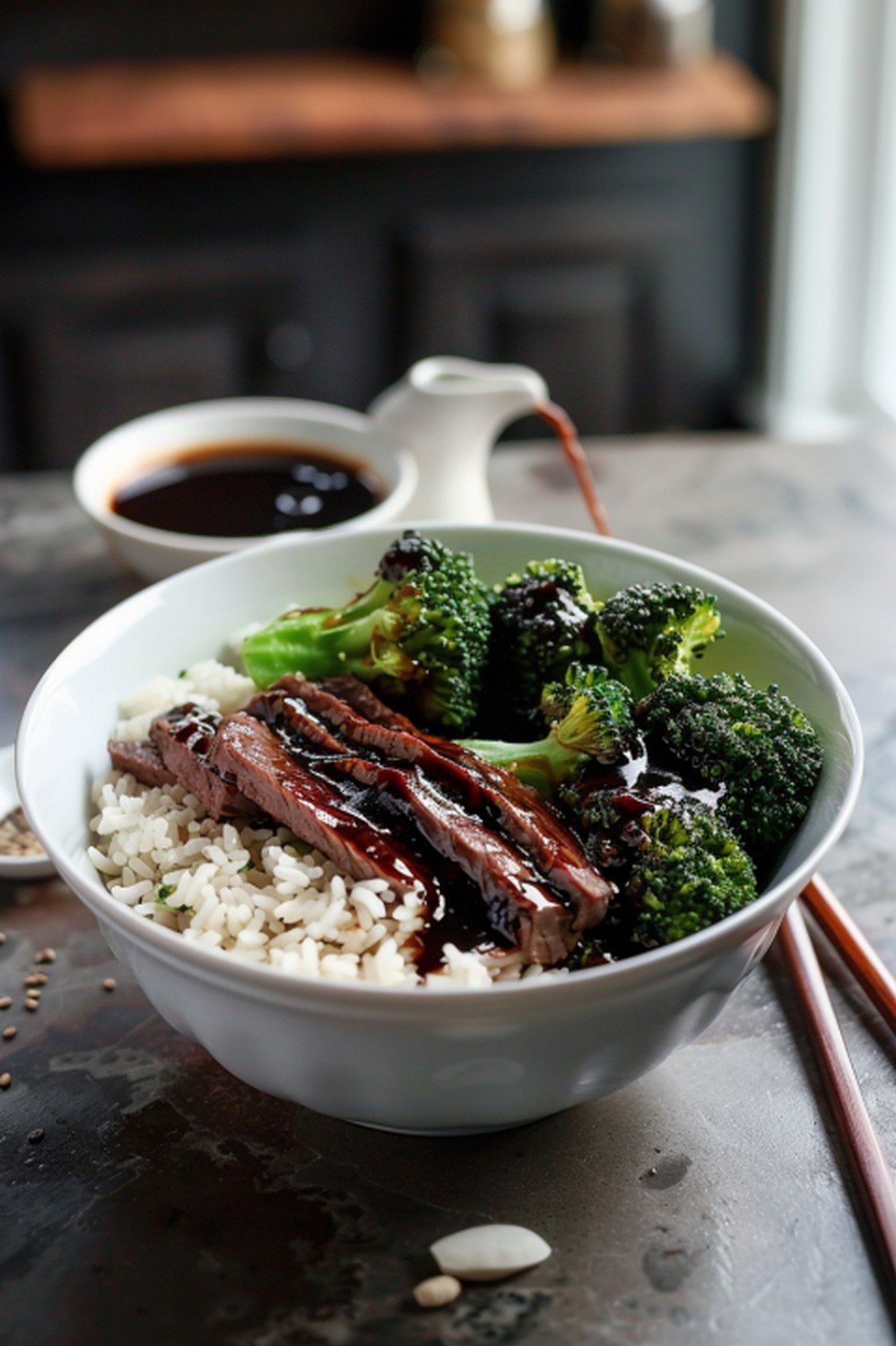
Push your blanched broccoli, cooked beef, or protein to the sides of a screaming hot wok. Pour the oyster sauce directly into the center. Stir constantly for 30–45 seconds as the sauce thickens, darkens slightly at the edges, and turns deeply glossy.Toss everything together until every surface is coated in the dark, clingy glaze. Serve immediately over steamed rice.This is where the sauce transforms completely — the moment oyster sauce caramelizes in a hot wok is one of the most satisfying things in stir fry cooking.
What to Look For
Every piece of broccoli and every strip of beef should be evenly coated in a dark, glossy glaze with no wet pooling at the bottom of the pan. The edges of the wok should show slight dark caramelization — that's the flavor you want. The sauce should cling to vegetables and protein rather than sliding off.
Common Mistakes to Avoid
- Using too little water in the slurry — oyster sauce is already thick and needs slightly more water than other stir fry sauces to reach the right glaze consistency without becoming gluey.
- Skipping the blanching step for broccoli — broccoli should be blanched for 60 seconds in boiling water before hitting the wok. Raw broccoli releases too much water and dilutes the sauce before it can caramelize.
- Low or medium heat — oyster sauce absolutely requires high heat to caramelize and develop its characteristic glaze. Medium heat produces a flat, gluey result with none of the wok-tossed depth.
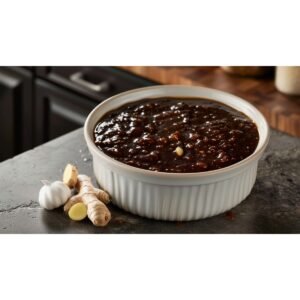
Hoisin Stir Fry Sauce
Ingredients
- 3 tablespoons hoisin sauce
- 2 tablespoons low-sodium soy sauce
- 3 cloves fresh garlic minced
- 1 tablespoon sesame oil
- 1 tablespoon rice vinegar
- 1 teaspoon honey
- 1 teaspoon cornstarch
- 2 tablespoons water
- ½ teaspoon five spice powder optional
Instructions
- Whisk cornstarch and water in a small bowl until fully smooth. Set aside.
- In a medium bowl, combine hoisin sauce, soy sauce, minced garlic, sesame oil, rice vinegar, and honey. Add five spice powder if using. Whisk until fully combined.
- Stir cornstarch slurry into the hoisin base and whisk until fully incorporated.
- Heat wok over high heat. Cook beef or protein, push to sides, pour sauce into center. Stir constantly 45–60 seconds until deeply glossy, thickened, and caramelized at edges. Toss everything together and serve immediately over steamed rice.
Notes
Never skip the rice vinegar — it balances hoisin's natural sweetness.
Store refrigerated up to 7 days. Flavor deepens significantly after 24 hours.
Pro Tips
- Blanch broccoli before stir frying — 60 seconds in boiling salted water, then straight into ice water to stop cooking. Dry completely before the wok. This produces broccoli that's tender-crisp, bright green, and doesn't release water in the pan.
- Lee Kum Kee Panda Brand oyster sauce is the reference standard — the flavor complexity and consistency are significantly better than most grocery store alternatives.
- Add Shaoxing wine to the hot wok just before the sauce if you have it — pour it around the edges of the wok so it hits the hot metal and steams instantly, adding an aromatic depth that you can't get any other way.
- Use this sauce on Chinese broccoli — gai lan with oyster sauce is one of the great simple dishes in Chinese cooking, and this recipe makes it perfectly.
Ingredient Swaps
- Vegetarian oyster sauce made from mushrooms — identical texture, similar depth, completely plant-based
- Tamari instead of soy sauce for a gluten-free version — check oyster sauce label as some brands contain wheat
- Dry sherry instead of Shaoxing wine — similar fermented depth, widely available
- Black pepper instead of white — more visible in the glaze but the same heat effect
Make It Your Way
Spicy oyster sauce — Add 1 teaspoon of chili garlic sauce to the base. The heat cuts through the deep umami richness and adds a dimension that works especially well with beef and Chinese broccoli.Oyster ginger — Add 1 teaspoon of freshly grated ginger alongside the garlic. The ginger brightness lifts the deep savory character of the oyster sauce and creates a more aromatic, complex profile.Oyster mushroom sauce — Add 1 tablespoon of mushroom powder or finely chopped rehydrated shiitake mushrooms to the base. The additional umami layering makes this sauce extraordinarily deep — exceptional with tofu and vegetables.
Storage & Meal Prep
Store in a sealed jar or airtight container in the refrigerator for up to 7 days. The oyster sauce base holds exceptionally well and the flavor deepens after 24 hours. Stir well before using — the cornstarch may settle slightly when cold.Freeze it? Yes — freeze in silicone ice cube trays and transfer to a zip-lock bag once solid. Keeps up to 3 months. The umami depth stays completely intact through freezing.
Common Questions
Does oyster sauce taste like oysters?
Not strongly — oyster sauce delivers pure umami depth rather than a shellfish flavor. Most people who don't enjoy shellfish find oyster sauce perfectly palatable because it tastes like concentrated savory richness rather than anything briny or oceanic.Is oyster sauce the same as hoisin sauce?
No — they're very different. Hoisin is fermented soybean-based, sweeter, and more complex. Oyster sauce is shellfish-based, darker, more savory, and less sweet. Both are used in Chinese cooking but deliver entirely different flavor profiles.Can I use this on noodles?
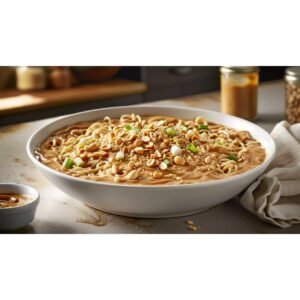
Yes — thin slightly with an extra tablespoon of water and toss with udon or egg noodles over high heat. The dark oyster sauce glaze coats thick noodles beautifully. Add a soft-boiled egg and sliced scallions for a complete bowl.Why is my sauce gluey instead of glossy?
Too much cornstarch or too little water. Oyster sauce is already thick — it needs slightly more water in the slurry than other stir fry sauces. If it turns gluey in the wok, add a splash of water and toss quickly over high heat to loosen.Is this suitable for vegetarians?
Not as written — oyster sauce contains shellfish. Vegetarian oyster sauce made from mushrooms is an excellent substitute that produces a very similar result and is widely available in Asian grocery stores.What vegetables work best with this sauce?
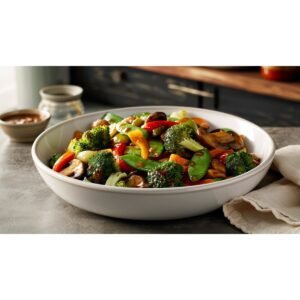
Broccoli and Chinese broccoli are the classics. Bok choy, snap peas, mushrooms, and bell peppers all work beautifully. The rule of thumb — any vegetable that benefits from savory depth rather than sweetness is perfect for oyster sauce.
You Might Also Like
- Honey Garlic Stir Fry Sauce
- Spicy Sriracha Stir Fry Sauce
- Teriyaki Stir Fry Sauce
- Garlic Ginger Stir Fry Sauce
- The Best PF Chang's Copycat Recipes to Make at Home
- 10 Best Asian Stir Fry Sauces You Need to Try
- Panda Express Beijing Sauce — Better Than Any Restaurant
- Ultime guide Asian Best SAuces
- 10 Best Asian Sauce Recipes That Beat the Bottle
Final Thoughts
Oyster stir fry sauce is the recipe that finally explains why restaurant broccoli beef tastes so much better than the homemade version. It's the oyster sauce — and now you know exactly how to use it. Rich, deeply savory, and ready in under 10 minutes. Once this is in your fridge, you'll find reasons to use it on everything.Pin this now — you'll thank yourself later.

Jake Carter
Crave the restaurant version? I build the at-home one worth repeating.
Recipe developer & copycat flavor obsessive
I recreate the fast-food and restaurant flavors people miss most — then simplify them into recipes that feel doable, nostalgic, and genuinely satisfying at home.
Meet Jake & explore more recipes
Leave a Reply