
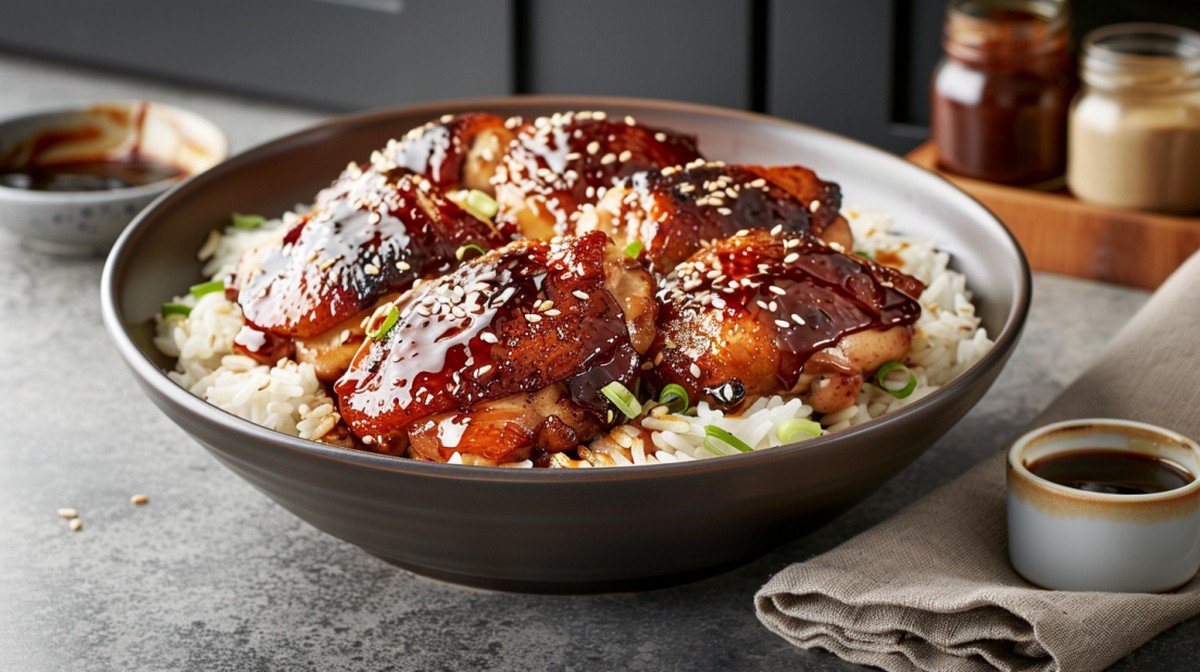
There’s a reason teriyaki never goes out of style.
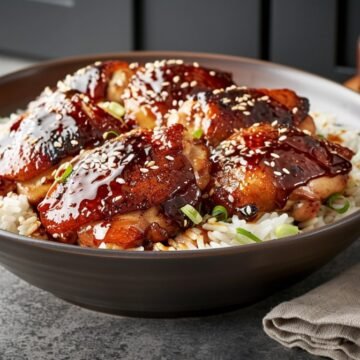
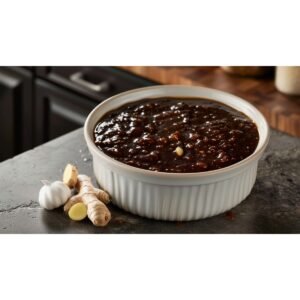
That deep, glossy, sweet-savory glaze — the kind that coats chicken and caramelizes at the edges.
I made it from scratch once… and never went back.
Better than takeout.
Ready in under 10 minutes.
This is the teriyaki sauce that earns a permanent spot in your fridge.
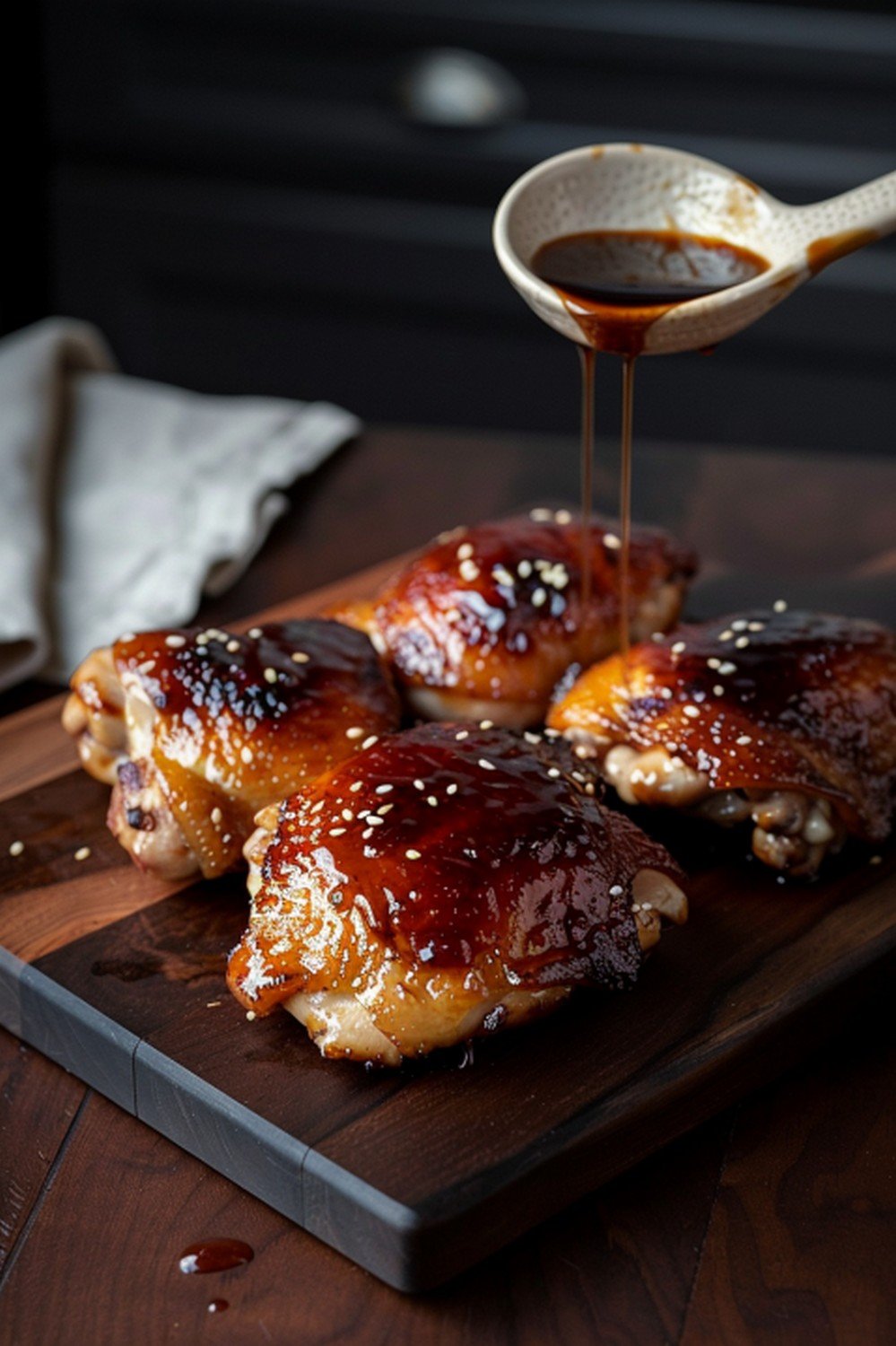
Quick Answer
Teriyaki stir fry sauce is a sweet-savory Japanese-inspired glaze made with soy sauce, mirin, brown sugar, garlic, and ginger — ready in minutes and perfect for chicken, salmon, beef, and vegetables.
- Drizzle over Teriyaki Chicken Bowls
- Glaze Baked Teriyaki Salmon
- Toss with Teriyaki Beef Stir Fry
- Pair with Honey Garlic Stir Fry Sauce for a double glaze night
One batch is enough for two full portions — double it for meal prep all week.
Why This Recipe Works
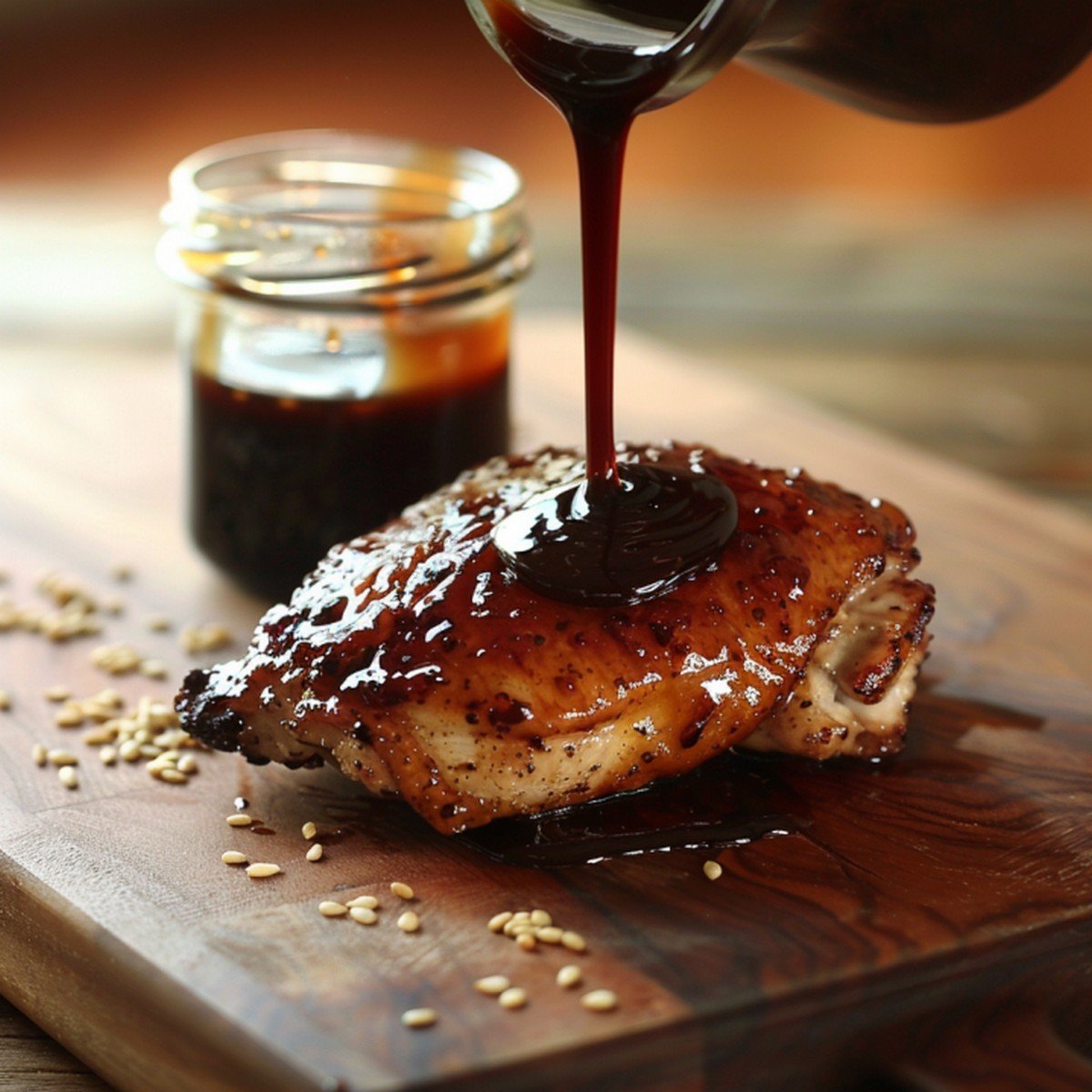
Teriyaki is all about balance — and the ratio makes everything.
Soy sauce builds the savory, umami base and gives teriyaki its deep color. Mirin is what makes it authentic, adding a subtle sweetness and complexity you can’t get from sugar alone.
Brown sugar enhances that sweetness and creates the signature glossy, caramelized glaze when the sauce hits heat.
Fresh garlic and ginger bring the aroma — especially ginger, which adds brightness and keeps the sauce from feeling too heavy.
Cornstarch thickens everything into a smooth, rich coating that clings perfectly to chicken, salmon, or veggies.
That’s what gives it that true takeout-style teriyaki finish at home.
Why You'll Keep Making This
- The exact glossy lacquered glaze you get at Japanese restaurants
- Works on chicken, salmon, beef, tofu, and vegetables equally well
- Mirin adds a complexity that bottled teriyaki can't touch
- Caramelizes beautifully in the pan with zero effort
- Ready in under 10 minutes — faster than any delivery order
What It Tastes Like
Sweet hits first — warm and rounded, not sharp. The soy follows immediately underneath, bringing a deep savory note that grounds the sweetness and gives the sauce its backbone. Ginger comes in mid-palate with a gentle warming spice that builds slowly and lingers at the finish alongside a subtle toasted sesame nuttiness.
The texture is the defining characteristic — dark, glossy, and thick enough to coat the back of a spoon. When it caramelizes against the surface of chicken thighs in a hot pan, the edges develop a slightly darker, more intense bittersweet layer. That's the moment teriyaki becomes something special.
Ingredients You'll Need
- ¼ cup low-sodium soy sauce
- 3 tablespoons mirin
- 1 tablespoon brown sugar
- 3 cloves fresh garlic, minced
- 1 teaspoon fresh ginger, grated
- 1 tablespoon sesame oil
- 1 teaspoon cornstarch
- 2 tablespoons water
- 1 teaspoon toasted sesame seeds (for finishing)
Why These Ingredients Matter
Soy sauce is the base — it provides salt, umami, and the deep brown color that defines teriyaki. Low-sodium keeps the sauce balanced without sacrificing depth. Mirin is the authenticity ingredient — its subtle sweetness and mild complexity are what separate homemade teriyaki from bottled versions. Find it in the Asian aisle of most grocery stores. Brown sugar drives the caramelization that creates the lacquered glaze effect when sauce hits a hot pan — the deeper the char at the edges, the better. Fresh garlic adds aromatic sharpness that complements the mirin's gentler sweetness. Fresh ginger is what makes this unmistakably teriyaki rather than just a soy glaze — grate it fine so it distributes invisibly through the sauce . Sesame oil is the toasty, nutty finish added cold to preserve its character. Cornstarch + water is the slurry that thickens everything into the proper restaurant-quality glaze on contact with heat.
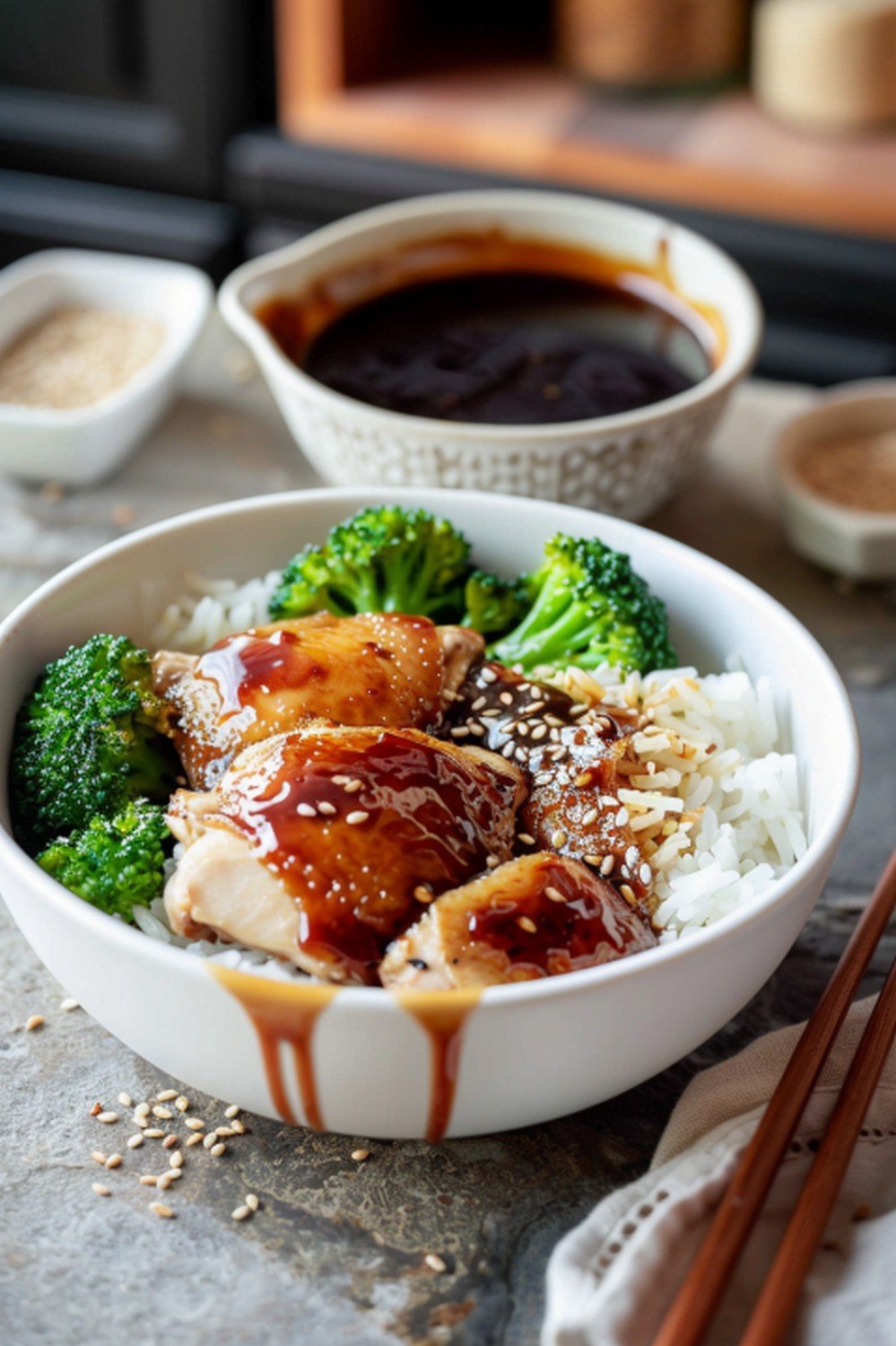
How to Make It
Step 1: Prepare the Cornstarch Slurry
Whisk cornstarch and cold water together in a small bowl until completely lump-free. Set aside — this is always the last thing in.
Starting here means you're never scrambling for it when the wok is already hot.
Step 2: Combine the Teriyaki Base
In a medium bowl, whisk together soy sauce, mirin, brown sugar, minced garlic, grated ginger, and sesame oil. Whisk until the sugar is fully dissolved and the garlic and ginger are evenly distributed.
The sauce will look thin and dark at this stage. That changes completely the moment it hits a hot pan.
Step 3: Add the Cornstarch Slurry
Pour the cornstarch slurry into the sauce base and whisk until fully incorporated. The mixture will look slightly thicker already — this is correct.
Everything is ready. Your wok needs to be genuinely hot — not warm, not medium. Hot.
Step 4: Glaze in the Wok
Push your cooked chicken, salmon, or tofu to the sides of a ripping hot wok or skillet. Pour the teriyaki sauce directly into the center. Stir constantly for 45–60 seconds as the sauce thickens, darkens at the edges, and turns deeply glossy.
Toss everything together until every surface is evenly coated. Finish with toasted sesame seeds and serve immediately over steamed rice.
This is where the kitchen smells exactly like your favorite Japanese restaurant — that caramelizing sugar and soy hitting a hot wok is one of the best cooking aromas there is.
Teriyaki Stir Fry Sauce
Ingredients
- ¼ cup low-sodium soy sauce
- 3 tablespoons mirin
- 1 tablespoon brown sugar
- 3 cloves fresh garlic minced
- 1 teaspoon fresh ginger grated
- 1 tablespoon sesame oil
- 1 teaspoon cornstarch
- 2 tablespoons water
- 1 teaspoon toasted sesame seeds for finishing
Instructions
- Whisk cornstarch and cold water in a small bowl until fully smooth and lump-free. Set aside.
- In a medium bowl, combine soy sauce, mirin, brown sugar, minced garlic, grated ginger, and sesame oil. Whisk until sugar fully dissolves.
- Stir cornstarch slurry into the sauce base and whisk until fully incorporated.
- Heat wok or skillet over high heat. Cook protein, push to sides, pour sauce into center. Stir constantly 45–60 seconds until deeply glossy, thickened, and caramelized at edges. Toss everything together, finish with toasted sesame seeds, and serve immediately over steamed rice.
Notes
Reserve a small amount of sauce before cooking to drizzle fresh over the finished dish.
Store refrigerated up to 7 days. Flavor deepens after 24 hours. Freeze up to 3 months.
What to Look For
The finished sauce should be deep brown, intensely glossy, and thick enough to coat every surface of your protein without pooling at the bottom of the pan. The edges of the wok should show slight caramelization — dark, slightly sticky residue that tells you the glaze formed correctly.
Common Mistakes to Avoid
- Using ground ginger instead of fresh — ground ginger adds dry spice but loses the bright, aromatic freshness that makes teriyaki taste authentic. Grate fresh ginger every time.
- Skipping mirin and using only sugar — the sauce will be sweet but flat. Mirin adds depth and complexity that sugar alone cannot replicate.
- Medium heat in the pan — teriyaki needs high heat to caramelize properly. Medium heat produces a thin, watery result with no lacquered finish.
Pro Tips
- Marinate first, glaze second — use this sauce as a 30-minute marinade for chicken thighs, then add a fresh batch to the hot pan for glazing. You get double the flavor impact.
- Grate the ginger directly over the bowl using a microplane — you get the finest possible texture that distributes invisibly through the sauce.
- Score chicken thighs before marinating — shallow cuts let the sauce penetrate deeper, resulting in more flavor throughout rather than just on the surface.
- Reserve a small amount of sauce before cooking to drizzle over the finished dish — a fresh drizzle on plated teriyaki chicken hits differently than what's cooked into the protein.
Ingredient Swaps
- No mirin? Use 2 tablespoons rice vinegar plus an extra teaspoon of brown sugar — not identical but close enough for a weeknight
- Tamari instead of soy sauce for a fully gluten-free version with the same depth
- Honey instead of brown sugar — slightly more floral sweetness, produces an excellent glaze
- Coconut aminos for a lower-sodium, slightly sweeter alternative — reduce sugar by half
Make It Your Way
Spicy teriyaki — Add 1 teaspoon of sriracha or a pinch of red pepper flakes to the base. The heat cuts through the sweetness beautifully and adds a dimension that works especially well with salmon.
Citrus teriyaki — Add 1 teaspoon of fresh orange zest and a tablespoon of fresh orange juice to the base. The citrus lifts the sauce and pairs perfectly with chicken and vegetables.
Thick teriyaki glaze for baking — Double the cornstarch to 2 teaspoons for a thicker, more lacquer-like consistency. Brush onto chicken or salmon and roast at 400°F for a perfectly glazed finish without a stovetop.
Storage & Meal Prep
Store in a sealed jar or airtight container in the refrigerator for up to 7 days. The sauce thickens further when cold — whisk with a fork or add a teaspoon of water to loosen before reheating. The flavor deepens and improves after 24 hours as the garlic and ginger integrate.
Freeze it? Yes — pour into silicone ice cube molds, freeze solid, and transfer to a zip-lock bag. Each cube is one portion. Keeps up to 3 months with no flavor loss.
Common Questions
What's the difference between teriyaki sauce and teriyaki marinade?
The same sauce works as both — skip the cornstarch slurry for a thinner marinade, add it back when you're ready to cook and glaze. The cornstarch is what thickens it from liquid marinade into a proper coating glaze.
Can I use this on salmon?
Absolutely — teriyaki and salmon are one of the great natural pairings. Brush the sauce on during the last 3–4 minutes of cooking at 400°F, or glaze in a hot skillet for 2 minutes per side. The sugar caramelizes against the salmon's fat in a way that's genuinely extraordinary.
Is this the same as store-bought Kikkoman teriyaki?
This is closer to restaurant teriyaki than Kikkoman — which tends to be thinner, saltier, and less complex. The mirin and fresh ginger in this recipe produce a more layered, authentic result.
My sauce is too salty — how do I fix it?
Add a small amount of honey or brown sugar and a tablespoon of water. The sweetness immediately counterbalances excess salt without significantly changing the flavor profile.
Can I make a large batch and store it uncooked?
Yes — mix everything except the cornstarch slurry and store the base in a sealed jar for up to 10 days. Add the cornstarch slurry right before cooking each time for a fresh glaze every use.
Does this work on vegetables only for a vegan version?
Perfectly — teriyaki stir fry sauce is naturally vegan as written. Toss with broccoli, snap peas, bell peppers, mushrooms, and tofu for a complete plant-based teriyaki bowl that delivers full flavor.
You Might Also Like
- Honey Garlic Stir Fry Sauce
- Spicy Sriracha Stir Fry Sauce
- Garlic Ginger Stir Fry Sauce
- The Best PF Chang's Copycat Recipes to Make at Home
- 10 Best Asian Stir Fry Sauces You Need to Try
- Panda Express Beijing Sauce — Better Than Any Restaurant
- Ultime guide Asian Best SAuces
- 10 Best Asian Sauce Recipes That Beat the Bottle
Final Thoughts
Homemade teriyaki stir fry sauce is one of those recipes that makes you genuinely question why you ever bought the bottled version. It's richer, more complex, and more satisfying — and once you have a jar in your fridge, you'll find yourself reaching for it on everything from chicken thighs to roasted vegetables to salmon. Make a double batch. You'll use it.
Save this before you forget it.

Jake Carter
Crave the restaurant version? I build the at-home one worth repeating.
Recipe developer & copycat flavor obsessive
I recreate the fast-food and restaurant flavors people miss most — then simplify them into recipes that feel doable, nostalgic, and genuinely satisfying at home.
Meet Jake & explore more recipes
Leave a Reply