
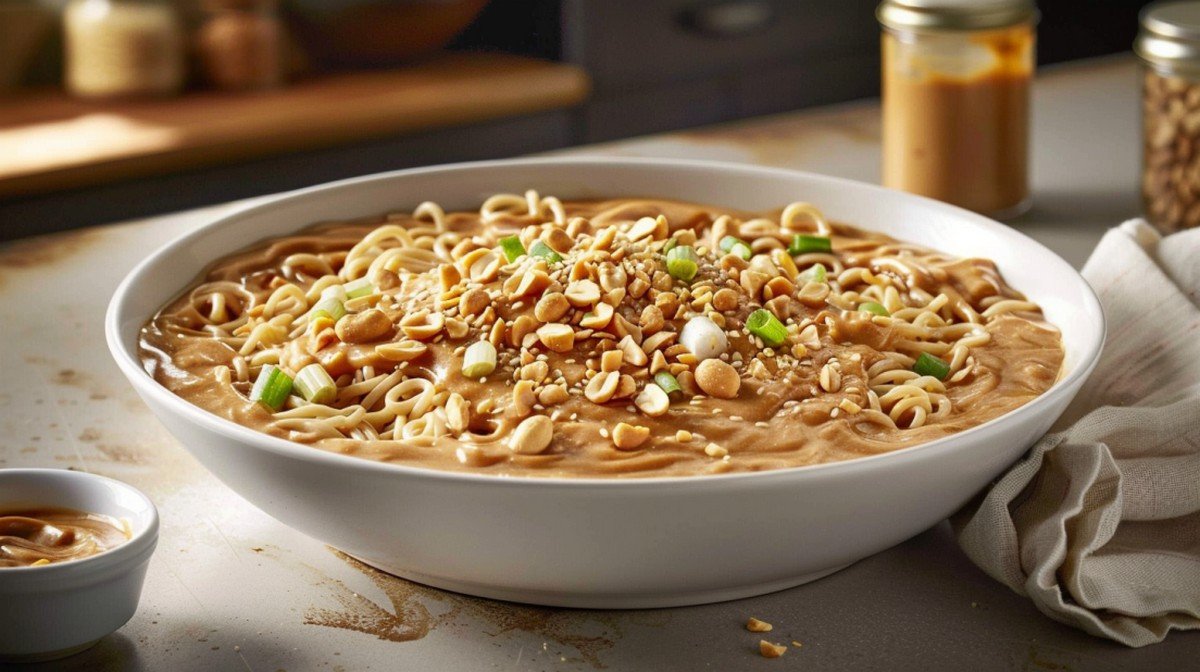
This is the sauce everyone asks about after dinner.
Rich, creamy, deeply savory — with a warmth that builds and coats every noodle perfectly.
I made it on a cold Sunday with pantry staples and a craving…
and it beat every peanut noodle I’ve ever ordered.
Silky. Bold. Ready in under 10 minutes.
This is comfort food in sauce form.
Quick Answer
Peanut stir fry sauce is a rich, creamy sauce built on natural peanut butter, soy sauce, sesame oil, garlic, and lime juice — ready in minutes and perfect for noodles, chicken, tofu, and vegetables.
- Toss with Peanut Noodle Bowls
- Drizzle over Crispy Tofu Stir Fry
- Use as a dipping sauce for Fresh Spring Rolls
- Pair with Garlic Soy Stir Fry Sauce for a duo noodle night
One batch coats two generous noodle portions — double it for a crowd or meal prep.
Why This Recipe Works
Peanut sauce is simple — but the balance makes all the difference.
Natural peanut butter creates a rich, creamy base with deep nutty flavor. Soy sauce cuts through that richness with salt and umami, turning it from heavy to craveable.
Sesame oil enhances the nuttiness, while fresh garlic adds sharpness and depth. Lime juice is key — it brightens everything and keeps the sauce from feeling too thick or heavy.
A touch of honey balances the flavors, and warm water adjusts the texture so it’s smooth, pourable, and perfect for tossing with noodles.
Sriracha is optional, but adds a subtle heat that takes it to another level.
Why You'll Keep Making This
- Silky, rich, and coating — wraps around noodles perfectly
- No cooking required — whisk and toss, done in 5 minutes
- Works hot or cold — equally good as a warm stir fry or cold noodle sauce
- Customizable heat level from mild to seriously spicy
- One batch covers dinner and lunch the next day
What It Tastes Like
The first thing you get is richness — deep, nutty, and immediate. The peanut butter hits first, warm and creamy, followed almost instantly by the savory soy note that grounds everything. Lime juice cuts through mid-palate with a clean brightness that stops the richness from becoming overwhelming.The texture is the defining feature — silky and thick, coating every strand of noodle completely without clumping. It clings rather than pools, which is exactly what a great peanut sauce does. The sesame oil lingers at the finish with a toasted warmth that keeps you reaching for another bite.
Ingredients You'll Need
- 3 tablespoons natural peanut butter
- 2 tablespoons low-sodium soy sauce
- 1 tablespoon sesame oil
- 1 tablespoon lime juice (fresh)
- 1 tablespoon honey
- 2 cloves fresh garlic, minced
- 1 teaspoon fresh ginger, grated
- 2–3 tablespoons warm water (to loosen)
- 1 teaspoon sriracha (optional, for heat)
Why These Ingredients Matter
Natural peanut butter is the foundation — it provides creamy body, nutty depth, and the fat that makes this sauce coat noodles completely. Stir well before measuring if the oil has separated. Soy sauce is the savory backbone — it cuts richness and adds the umami layer that makes this a real sauce rather than just thinned peanut butter. Sesame oil adds a toasted nuttiness that works with the peanut butter rather than against it — always add cold, never heat it directly. Fresh lime juice is the brightness agent — it lifts the entire sauce and prevents the richness from becoming cloying. Bottled lime juice works in a pinch but fresh is noticeably better. Honey balances the salt and acid without making the sauce sweet. Fresh garlic and ginger add aromatic complexity and a gentle heat that builds slowly. Warm water controls consistency — add one tablespoon at a time until the sauce moves the way you want it to.
How to Make It
Step 1: Start With the Peanut Butter Base
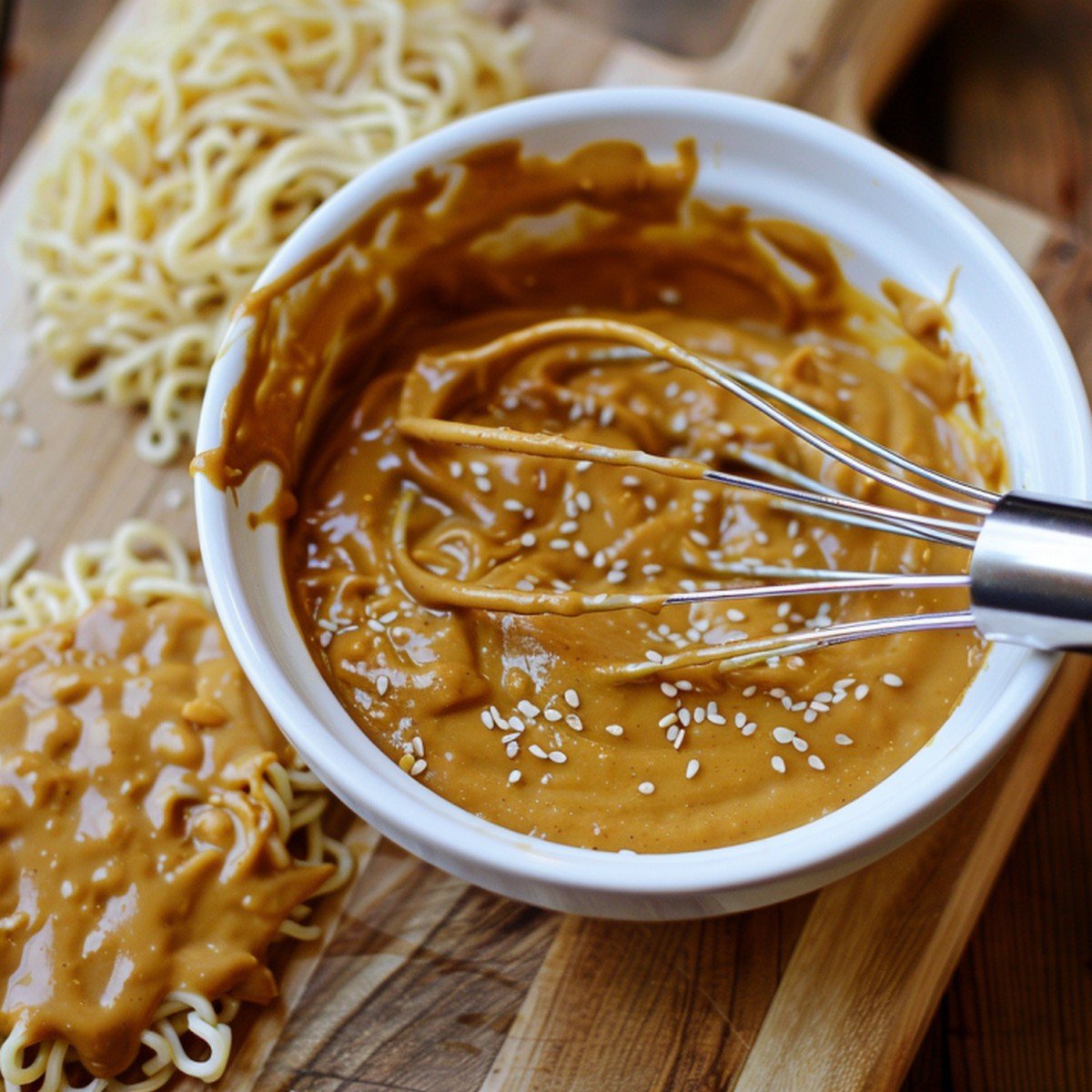
In a medium bowl, add peanut butter, soy sauce, sesame oil, lime juice, and honey. Whisk together until smooth and fully combined — the mixture will look thick and paste-like at this stage.This is where the sauce starts smelling incredible — that peanut and sesame combination is hard to beat.
Step 2: Add Aromatics
Add minced garlic, grated ginger, and sriracha if using. Whisk until fully incorporated and evenly distributed throughout the sauce.The garlic and ginger disappear into the sauce but their presence is unmistakable in every bite.
Step 3: Loosen With Warm Water
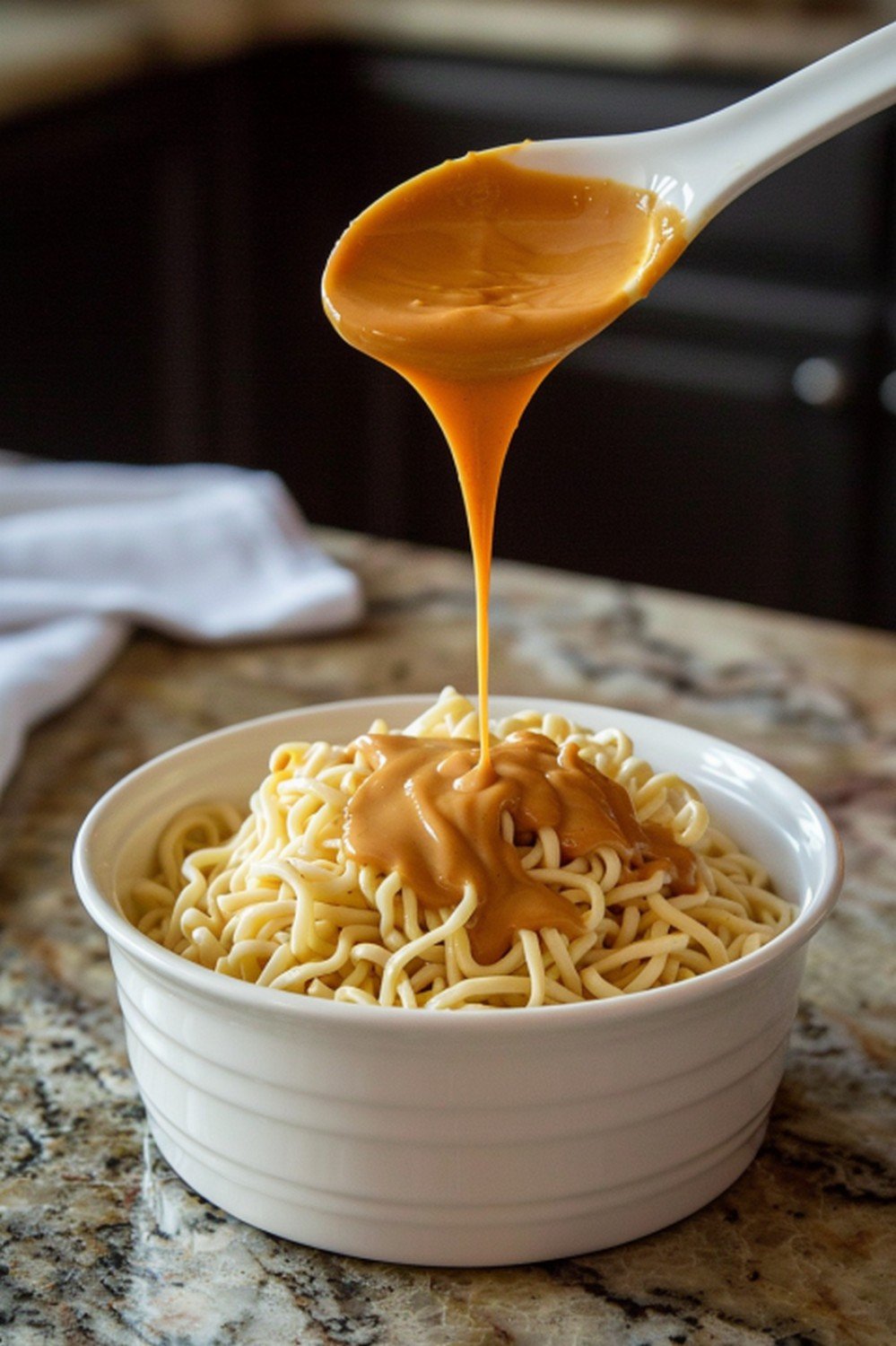
Add warm water one tablespoon at a time, whisking after each addition, until the sauce reaches a consistency that flows easily from a spoon but still coats it thickly. Two tablespoons is usually right for noodles — three for a thinner dipping sauce.This is where you control exactly how this sauce behaves on the plate.
Step 4: Toss With Noodles or Protein
For hot stir fry — pour sauce directly into a hot wok with cooked noodles and toss aggressively over high heat for 30–45 seconds until every strand is coated and the sauce is heated through.For cold noodles — toss cooked, cooled noodles directly in the sauce and serve immediately at room temperature.Hot or cold, the moment the sauce hits the noodles is the moment this becomes dinner worth talking about.
What to Look For
Every noodle strand should be evenly coated with a glossy, silky layer of sauce. No dry spots, no pooling at the bottom of the bowl. If the sauce is too thick, add a splash of warm water and toss again.
Common Mistakes to Avoid
- Using cold water instead of warm — cold water makes peanut butter seize and clump rather than emulsify smoothly. Always use warm water to loosen.
- Using processed peanut butter — it's sweeter and less complex than natural, and the added sugar tips the sauce balance significantly.
- Skipping the lime juice — without it the sauce is flat and one-dimensional. The acidity is what makes the whole thing come alive.
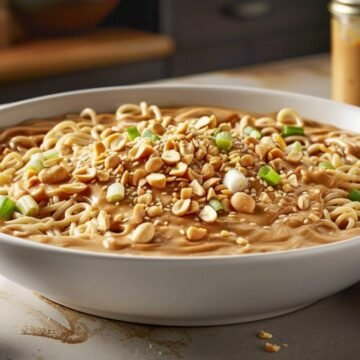
Peanut Stir Fry Sauce
Ingredients
- 3 tablespoons natural peanut butter
- 2 tablespoons low-sodium soy sauce
- 1 tablespoon sesame oil
- 1 tablespoon fresh lime juice
- 1 tablespoon honey
- 2 cloves fresh garlic minced
- 1 teaspoon fresh ginger grated
- 2 –3 tablespoons warm water
- 1 teaspoon sriracha optional
Instructions
- In a medium bowl, whisk together peanut butter, soy sauce, sesame oil, lime juice, and honey until smooth and fully combined.
- Add minced garlic, grated ginger, and sriracha if using. Whisk until fully incorporated.
- Add warm water one tablespoon at a time, whisking after each addition, until sauce reaches desired consistency.
- Toss with hot noodles in a wok over high heat for 30–45 seconds, or toss with cold noodles and serve immediately at room temperature.
Notes
Add warm water gradually — the sauce loosens quickly.
Store refrigerated up to 5 days. Whisk with warm water before reusing.
Pro Tips
- Stir your peanut butter thoroughly before measuring — natural peanut butter separates and the oil-to-solid ratio affects how the sauce emulsifies.
- Make it ahead — peanut sauce tastes better after 30 minutes as the flavors integrate. Make it first, cook the noodles second.
- Reserve a splash of noodle cooking water — the starch helps the sauce cling to noodles even better than plain water.
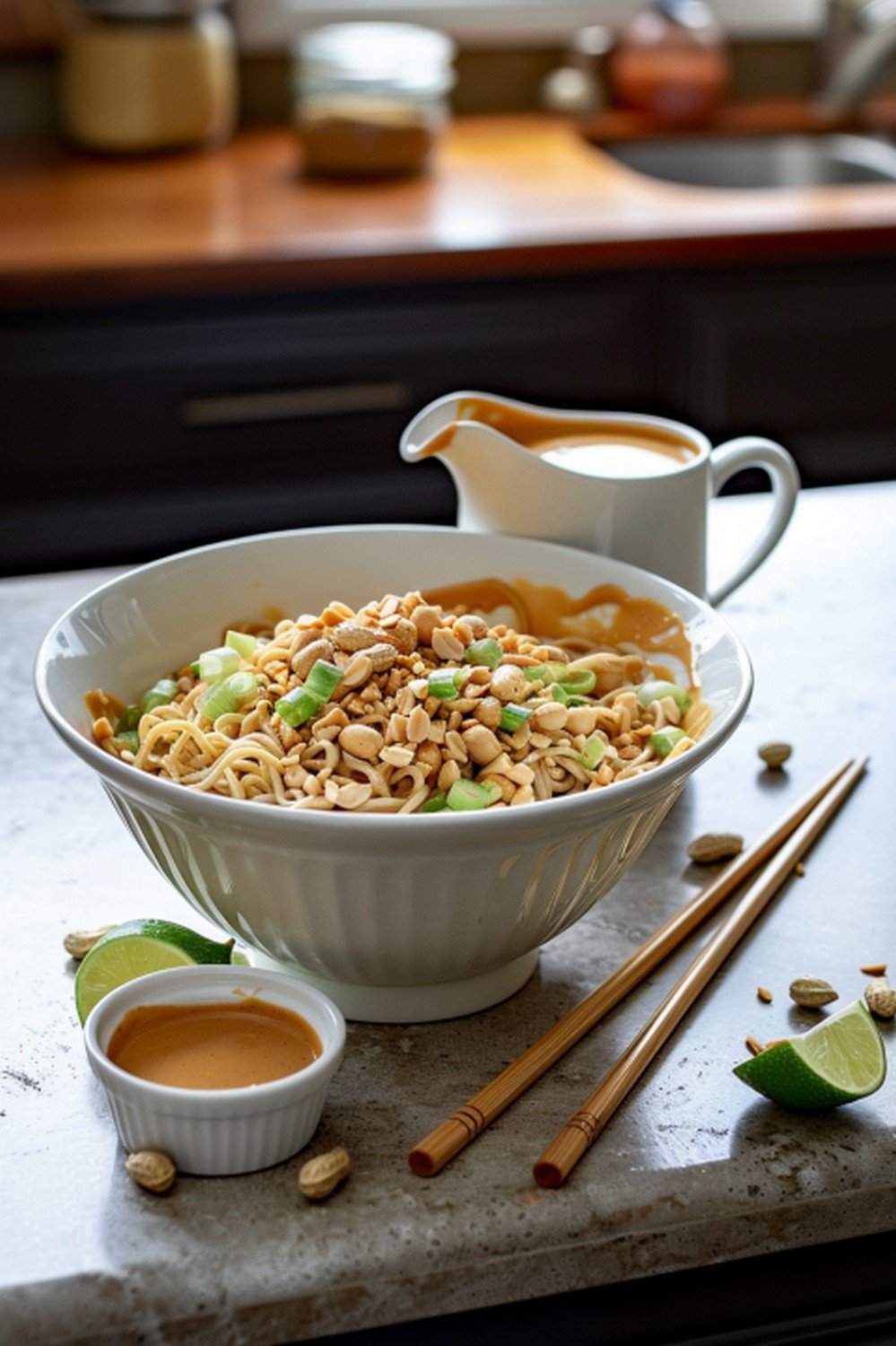
- Finish with crushed peanuts and scallions on top — the texture contrast makes this dish dramatically better.
Ingredient Swaps
- Almond butter instead of peanut butter for a different but equally rich nut base
- Tamari instead of soy sauce for a gluten-free version with identical depth
- Rice vinegar instead of lime juice — slightly less bright but works well
- Maple syrup instead of honey — earthier sweetness, same balancing effect
Make It Your Way
Spicy peanut version — Increase sriracha to 1 tablespoon and add ½ teaspoon of chili oil on top when serving. The heat builds beautifully against the richness of the peanut butter.
Coconut peanut — Replace warm water with coconut milk for a richer, slightly sweeter sauce that pairs beautifully with shrimp and rice noodles.
Cold peanut noodle salad — Thin the sauce with an extra tablespoon of water, toss with cold soba noodles, shredded cucumber, and shredded carrots. Serve chilled — one of the best summer lunches there is.
Storage & Meal Prep
Store in a sealed jar in the refrigerator for up to 5 days. The sauce thickens significantly when cold — whisk with a tablespoon of warm water before using to bring it back to the right consistency. The flavor deepens and improves overnight.Freeze it? The texture can change slightly after freezing due to the peanut butter separating — best kept refrigerated rather than frozen for this one.
Common Questions
Can I use this sauce cold?
Absolutely — peanut stir fry sauce is excellent cold. Thin it slightly with an extra tablespoon of warm water and toss directly with cold noodles for a room-temperature noodle salad that works perfectly for lunch or meal prep.
What noodles work best with this sauce?
Ramen, udon, soba, and rice noodles all work beautifully. Udon is the most forgiving — its thick, chewy texture holds the sauce exceptionally well. Soba adds an earthy nuttiness that complements the peanut butter naturally.
Is this the same as satay sauce?
Similar but different — satay sauce typically includes coconut milk and is served as a dipping sauce rather than a stir fry coating. This recipe is built specifically for tossing with noodles and stir fry applications where it needs to cling and coat rather than pool.
My sauce is too thick — how do I fix it?
Add warm water one tablespoon at a time and whisk after each addition. The sauce loosens quickly — go slowly to avoid over-thinning. If you're heating in a wok, a splash of noodle water works even better.
Can I make this nut-free?
Yes — sunflower seed butter is the best substitute. It has a similar consistency and richness to natural peanut butter and produces a very similar result. The flavor profile is slightly different but equally good.
Does this work as a salad dressing?
Yes — thin it with 2–3 extra tablespoons of warm water and a splash more lime juice until it pours easily. It makes an excellent dressing for Asian-style slaws, grain bowls, and chopped salads.
You Might Also Like
- Honey Garlic Stir Fry Sauce
- Spicy Sriracha Stir Fry Sauce
- Teriyaki Stir Fry Sauce
- Garlic Ginger Stir Fry Sauce
- The Best PF Chang's Copycat Recipes to Make at Home
- 10 Best Asian Stir Fry Sauces You Need to Try
- Panda Express Beijing Sauce — Better Than Any Restaurant
- Ultime guide Asian Best SAuces
- 10 Best Asian Sauce Recipes That Beat the Bottle
Final Thoughts
Peanut stir fry sauce is one of those recipes that satisfies on a level most sauces don't reach. It's rich without being heavy, bold without being aggressive, and comes together so fast that there's no reason to ever order peanut noodles again when you could make them better at home in 10 minutes.Pin this now — you'll thank yourself later.

Jake Carter
Crave the restaurant version? I build the at-home one worth repeating.
Recipe developer & copycat flavor obsessive
I recreate the fast-food and restaurant flavors people miss most — then simplify them into recipes that feel doable, nostalgic, and genuinely satisfying at home.
Meet Jake & explore more recipes
Leave a Reply