
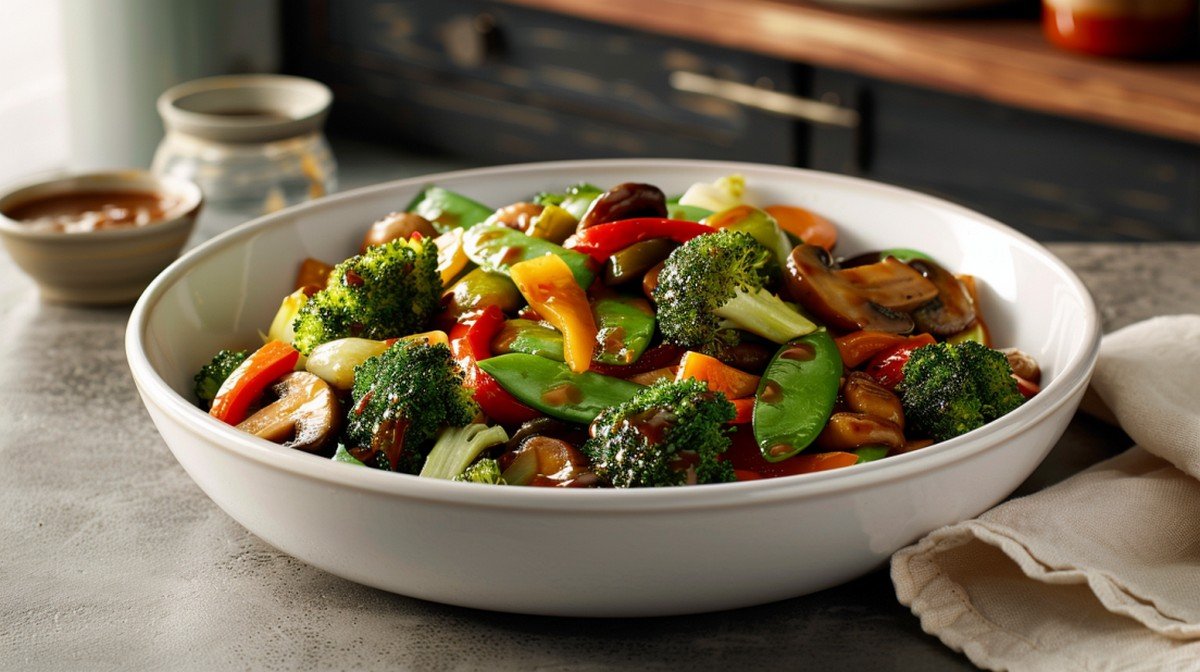
ight, savory, perfectly balanced — it coats everything without overpowering it.
I made it on a weeknight with a fridge full of vegetables and no real plan… expecting a compromise.
It wasn’t.
It turned into one of the best bowls I made all month.
No heavy sauces.
No excessive sweetness.
Just a clean, glossy stir fry sauce that makes every vegetable taste like the best version of itself.
Quick Answer
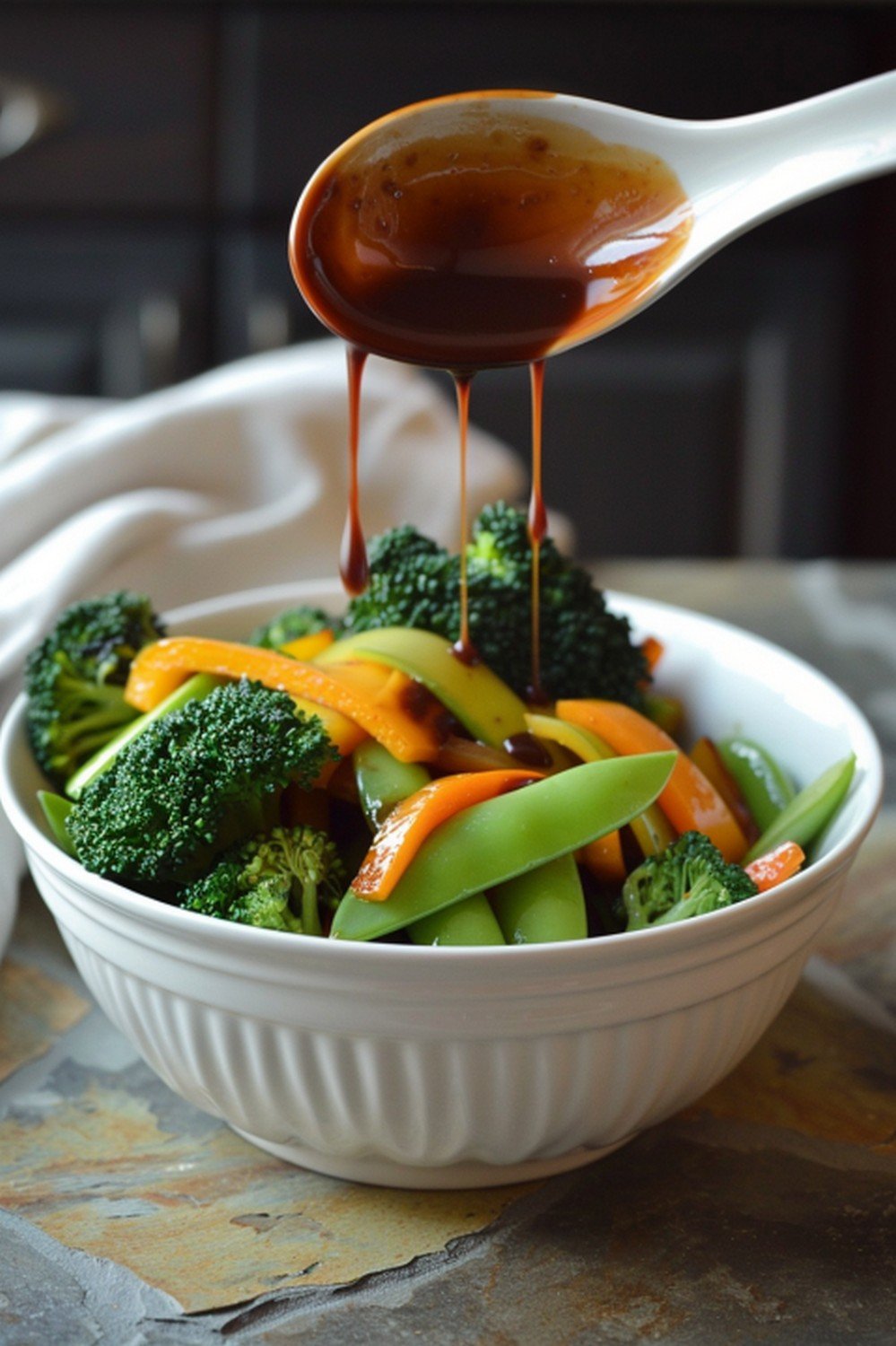
Vegetable stir fry sauce is a light, savory sauce built on soy sauce, vegetable broth, garlic, ginger, and sesame oil — ready in minutes and designed to enhance fresh vegetables without overpowering them.
- Toss with Classic Vegetable Stir Fry Bowl
- Drizzle over Tofu and Broccoli Stir Fry
- Use as a base for Fried Rice Sauce
- Pair with Garlic Ginger Stir Fry Sauce for a double vegetable night
One batch coats two generous vegetable portions — double it for meal prep all week.
Why This Recipe Works
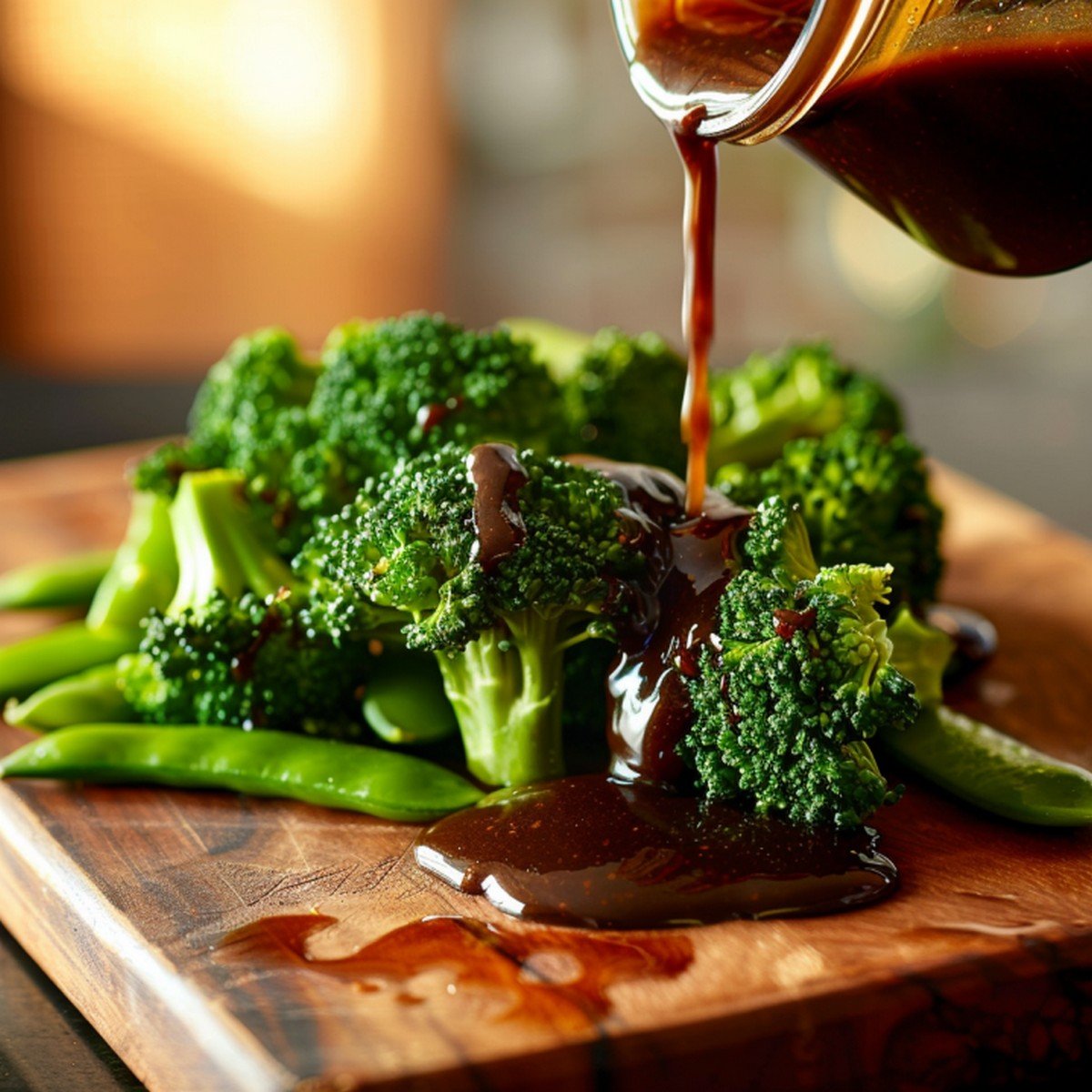
Vegetable stir fry needs a different kind of sauce — lighter, but still full of flavor.
As veggies cook, they release water that can dilute heavy sauces. This recipe fixes that with a more concentrated, balanced base.
Vegetable broth adds depth without heaviness, while low-sodium soy sauce keeps everything savory without becoming too salty. Fresh garlic and ginger boost the aromatics, giving vegetables the flavor support they need.
Rice vinegar keeps the sauce bright and fresh, and sesame oil adds that signature stir fry finish.
A small amount of cornstarch lightly thickens the sauce, creating a smooth coating that clings without weighing everything down.
That’s what makes veggie stir fry taste clean, flavorful, and restaurant-quality.
Why You'll Keep Making This
- Light and clean — enhances vegetables instead of overwhelming them
- Naturally vegan and gluten-free adaptable with one simple swap
- Vegetable broth adds depth that water-based sauces can't match
- Works on every vegetable — broccoli, bok choy, snap peas, mushrooms, peppers
- Ready in 5 minutes — faster than the vegetables take to cook
What It Tastes Like
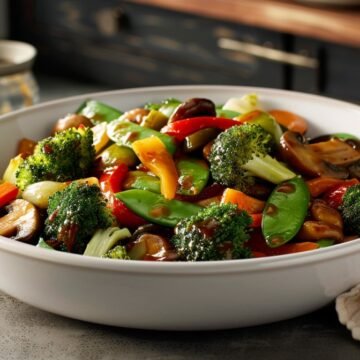
Clean and savory hits first — not heavy, not sweet, just a pure umami note that lands immediately and lets the vegetables speak. The garlic and ginger come through mid-palate with a gentle warmth that builds slowly. Sesame oil lingers at the finish with a toasted nuttiness that gives the sauce its signature Asian-inspired character.The texture is lighter than most stir fry sauces — a sheer, glossy coating rather than a thick glaze. It clings to snap peas and broccoli florets without pooling or creating heaviness. Every vegetable surface catches the light with a clean, glossy sheen that makes the dish look as good as it tastes.
Ingredients You'll Need
- 3 tablespoons low-sodium soy sauce
- 3 tablespoons vegetable broth
- 3 cloves fresh garlic, minced
- 1 teaspoon fresh ginger, grated
- 1 tablespoon sesame oil
- 1 tablespoon rice vinegar
- 1 teaspoon brown sugar
- 1 teaspoon cornstarch
- 2 tablespoons water
- ½ teaspoon red pepper flakes (optional)
Why These Ingredients Matter
Low-sodium soy sauce is the savory base — it delivers umami and salt without overpowering the natural flavors of the vegetables. Full-sodium soy becomes too salty once vegetables release their water into the pan. Vegetable broth replaces plain water in the base — it adds a subtle roundness and depth that makes this sauce taste more complete. Use low-sodium broth to maintain control. Fresh garlic and ginger are used in slightly higher proportions than meat-based sauces because vegetables need more aromatic support — grate ginger fine so it distributes invisibly. Sesame oil is the finishing note that makes this unmistakably Asian-inspired — always add cold, never directly to a hot pan. Rice vinegar is the brightness agent that keeps the sauce tasting clean and prevents the soy from feeling flat. Brown sugar adds just enough sweetness to round out the salt without tipping the sauce toward sweet. Cornstarch + water creates a light slurry that thickens just enough to cling to vegetable surfaces without creating heaviness.
How to Make It
Step 1: Prepare the Cornstarch Slurry
Whisk cornstarch and water together in a small bowl until completely smooth. Set aside — this always goes in last.A lighter slurry than usual — vegetables need a sheer coating, not a heavy glaze.
Step 2: Build the Vegetable Sauce Base
In a medium bowl, combine soy sauce, vegetable broth, minced garlic, grated ginger, sesame oil, rice vinegar, and brown sugar. Whisk until the sugar dissolves completely and the garlic and ginger are evenly distributed.Smell this before it goes in the pan — clean, bright, and aromatic. That's exactly what you want coating your vegetables.
Step 3: Add the Cornstarch Slurry
Pour the slurry into the sauce base and whisk until fully incorporated. Add red pepper flakes if using.The sauce looks thinner than most stir fry sauces at this stage — that's intentional. It thickens perfectly in the wok.
Step 4: Stir Fry the Vegetables First
Cook your vegetables in a hot wok in order of density — hard vegetables like carrots and broccoli first, soft vegetables like snap peas and bok choy last. Push everything to the sides once cooked.Pour the sauce into the center of the wok. Stir constantly for 30 seconds until the sauce thickens lightly and turns glossy. Toss everything together until every vegetable surface is coated.This is the moment the kitchen smells the way a good vegetable stir fry should — garlic, ginger, sesame, and hot wok all at once.
What to Look For
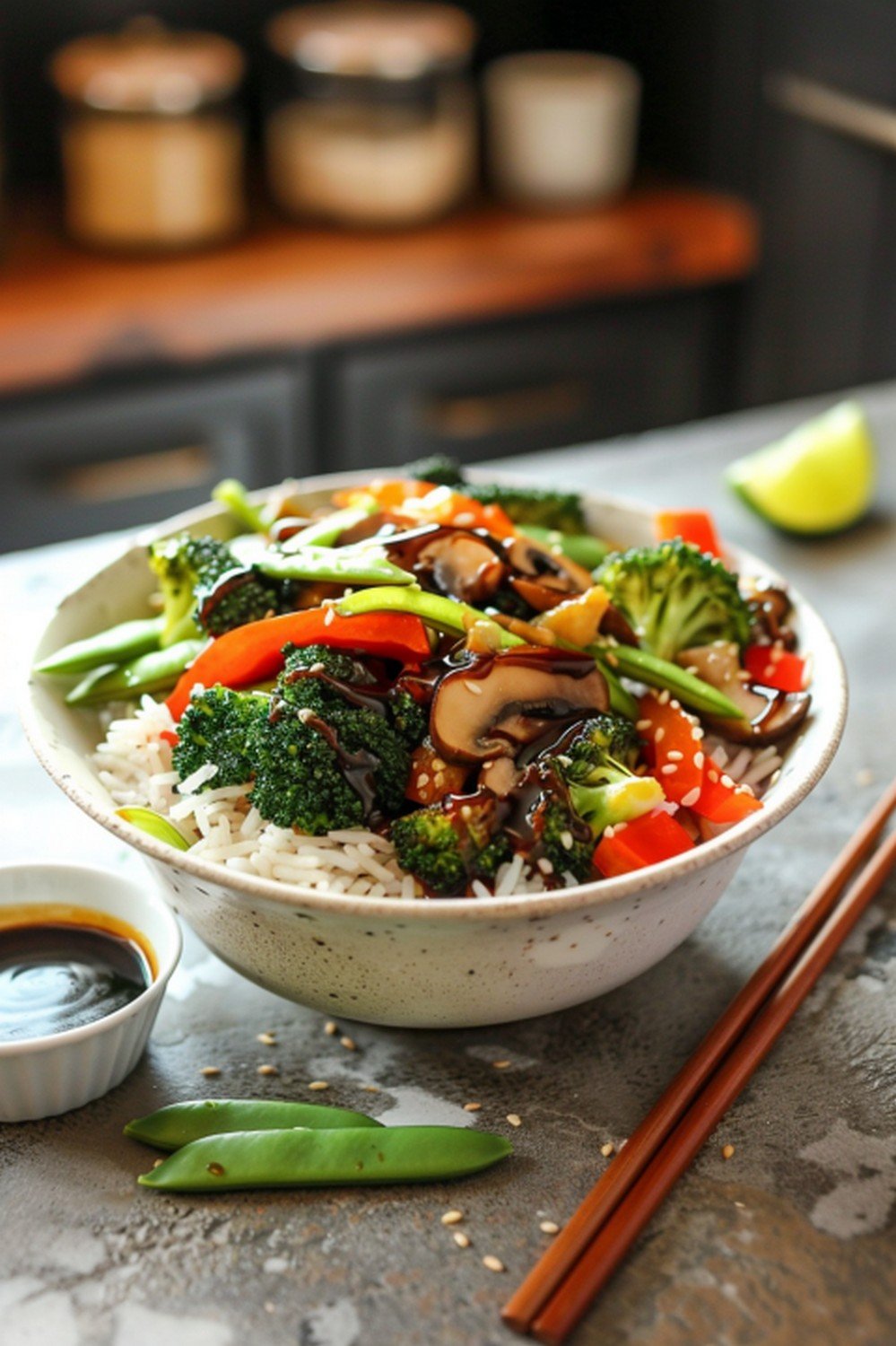
Every vegetable surface should carry a thin, glossy coating of sauce with no pooling at the bottom of the wok. The sauce should be light enough that you can see the natural color of every vegetable clearly — bright green broccoli, vibrant red peppers, golden mushrooms — not masked under a heavy glaze.
Common Mistakes to Avoid
- Overcrowding the wok — too many vegetables at once causes steaming rather than stir frying. Cook in batches if needed and combine at the end when the sauce goes in.
- Adding sauce before vegetables are cooked — the sauce thickens in 30 seconds. If vegetables aren't cooked first, they'll steam in the sauce and turn soggy.
- Using full-sodium soy sauce — vegetables release water as they cook, which concentrates the salt in the sauce. Low-sodium keeps everything balanced through the whole cooking process.
Vegetable Stir Fry Sauce
Ingredients
- 3 tablespoons low-sodium soy sauce
- 3 tablespoons vegetable broth
- 3 cloves fresh garlic minced
- 1 teaspoon fresh ginger grated
- 1 tablespoon sesame oil
- 1 tablespoon rice vinegar
- 1 teaspoon brown sugar
- 1 teaspoon cornstarch
- 2 tablespoons water
- ½ teaspoon red pepper flakes optional
Instructions
- Whisk cornstarch and water in a small bowl until fully smooth. Set aside.
- In a medium bowl, combine soy sauce, vegetable broth, minced garlic, grated ginger, sesame oil, rice vinegar, and brown sugar. Whisk until sugar dissolves completely.
- Stir cornstarch slurry into the sauce base and whisk until fully incorporated.
- Stir fry vegetables in a hot wok in order of density — hard vegetables first, soft vegetables last. Push to sides. Pour sauce into center, stir 30 seconds until lightly thickened and glossy. Toss everything together and serve immediately over steamed rice.
Notes
Pat all vegetables completely dry before the wok for proper stir frying.
Store refrigerated up to 7 days. Freeze in ice cube portions up to 3 months.
Pro Tips
- Cut all vegetables to similar sizes before cooking — uniform pieces cook at the same rate and result in even coating when the sauce goes in.
- Pat vegetables completely dry before the wok — surface moisture causes steaming and prevents the slight caramelization that makes stir fried vegetables taste better than boiled ones.
- Cook on the highest heat your stove produces — vegetable stir fry suffers more than any other wok cooking from insufficient heat. The vegetables should sizzle aggressively the moment they hit the pan.
- Add leafy greens last — bok choy leaves, spinach, and similar greens need only 30 seconds in the wok. Add them right before the sauce goes in.
Ingredient Swaps
- Tamari instead of soy sauce for a fully gluten-free version with identical depth
- Coconut aminos for a lower-sodium, slightly sweeter alternative — reduce brown sugar by half
- Mushroom broth instead of vegetable broth for deeper, more savory umami
- Lime juice instead of rice vinegar for a brighter, more citrus-forward finish
Make It Your Way
Spicy vegetable version — Add 1 teaspoon of chili garlic sauce or increase red pepper flakes to 1 full teaspoon. The heat adds a dimension that makes this sauce genuinely exciting rather than just clean and healthy.Umami boost version — Add 1 teaspoon of white miso paste to the base before mixing. It dissolves completely into the sauce and adds a fermented depth that makes the vegetable stir fry taste considerably more complex.Citrus vegetable sauce — Add 1 tablespoon of fresh orange juice and ½ teaspoon of orange zest to the base. The citrus brightness works beautifully with snap peas, bell peppers, and bok choy and makes the whole dish feel light and spring-like.
Storage & Meal Prep
Store in a sealed jar or airtight container in the refrigerator for up to 7 days. The garlic and ginger flavors deepen and integrate beautifully after 24 hours — this sauce is noticeably better the day after making it. Stir well before using.Freeze it? Yes — freeze in silicone ice cube trays and transfer to a zip-lock bag once solid. Each cube is one portion. Keeps up to 3 months with no significant flavor loss. The lighter consistency holds up very well through freezing.
Common Questions
Is this sauce suitable for vegans?
Yes — as written this recipe is completely plant-based. Every ingredient is vegan-friendly. Use tamari instead of soy sauce if you need it to be certified gluten-free as well. What vegetables work best with this sauce?
Broccoli, snap peas, bok choy, bell peppers, mushrooms, carrots, zucchini, baby corn, and water chestnuts all work beautifully. The rule of thumb — any vegetable that benefits from a light, savory coating rather than a heavy glaze is perfect for this sauce. Can I add tofu to this?
Absolutely — press extra firm tofu thoroughly, cut into cubes, and pan fry until golden before adding to the wok. The sauce coats crispy tofu exceptionally well and makes a complete plant-based bowl over steamed rice. Why does my sauce taste bland after cooking?
Vegetables release water during cooking which dilutes the sauce. Make sure your vegetables are patted dry before hitting the wok, and cook on the highest heat available. If the sauce still tastes diluted, add a small splash of soy sauce and toss again over high heat. Can I use this sauce for fried rice?
Yes — reduce the vegetable broth by half for a more concentrated version and toss with day-old rice over extremely high heat. The slightly drier consistency works better for fried rice than the full sauce ratio. How do I keep my vegetables crisp and not soggy?
Three rules — dry vegetables before the wok, cook on maximum heat, and never crowd the pan. Soggy stir fry vegetables are almost always caused by one of these three mistakes rather than the sauce itself.
You Might Also Like
- Honey Garlic Stir Fry Sauce
- Spicy Sriracha Stir Fry Sauce
- Teriyaki Stir Fry Sauce
- Garlic Ginger Stir Fry Sauce
- The Best PF Chang's Copycat Recipes to Make at Home
- 10 Best Asian Stir Fry Sauces You Need to Try
- Panda Express Beijing Sauce — Better Than Any Restaurant
- Ultime guide Asian Best SAuces
- 10 Best Asian Sauce Recipes That Beat the Bottle
Final Thoughts
Vegetable stir fry sauce is the recipe that changes how you think about a pan full of vegetables. Light, clean, and perfectly balanced — it makes healthy eating feel like something you actually chose rather than something you settled for. Make it once on a weeknight and you'll find yourself reaching for it every time the fridge is full of produce and nothing else.Save this before you forget it.

Jake Carter
Crave the restaurant version? I build the at-home one worth repeating.
Recipe developer & copycat flavor obsessive
I recreate the fast-food and restaurant flavors people miss most — then simplify them into recipes that feel doable, nostalgic, and genuinely satisfying at home.
Meet Jake & explore more recipes
Leave a Reply