
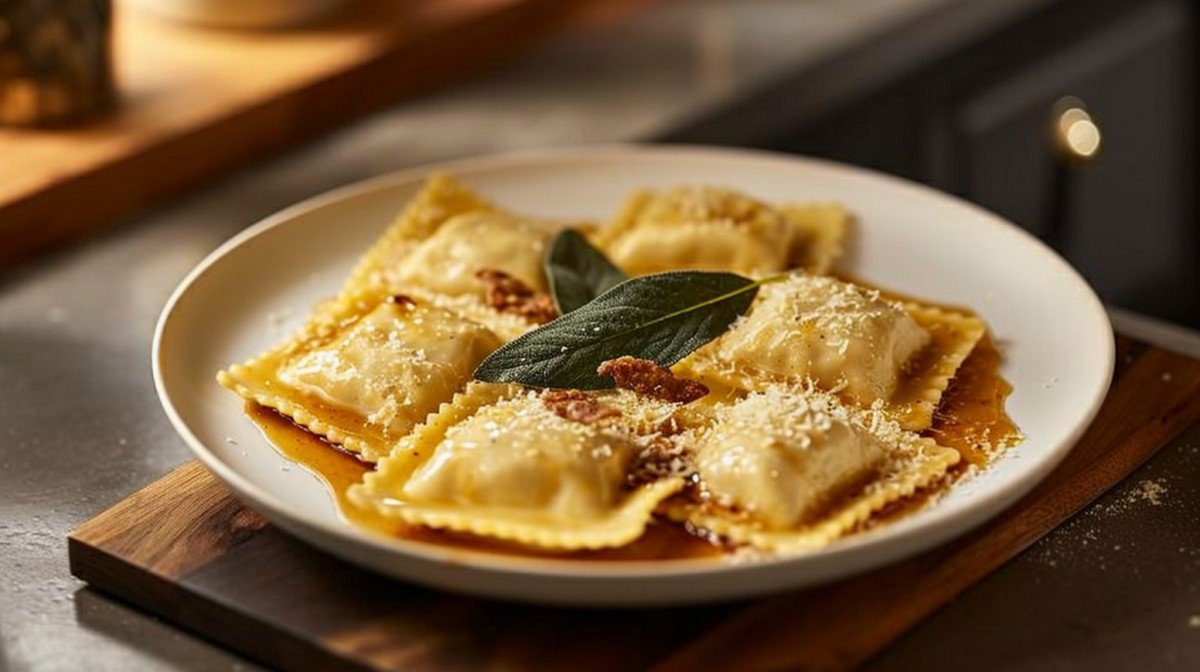
Some sauces take an hour. This one takes six minutes and tastes like something you'd pay thirty dollars for at a proper Italian restaurant. I made this brown butter sage sauce for the first time on a date night with a pack of store-bought ravioli — and it completely changed how I think about weeknight cooking.
Four ingredients. One pan. Six minutes. The most elegant pasta sauce you will ever make at home.
Quick Answer
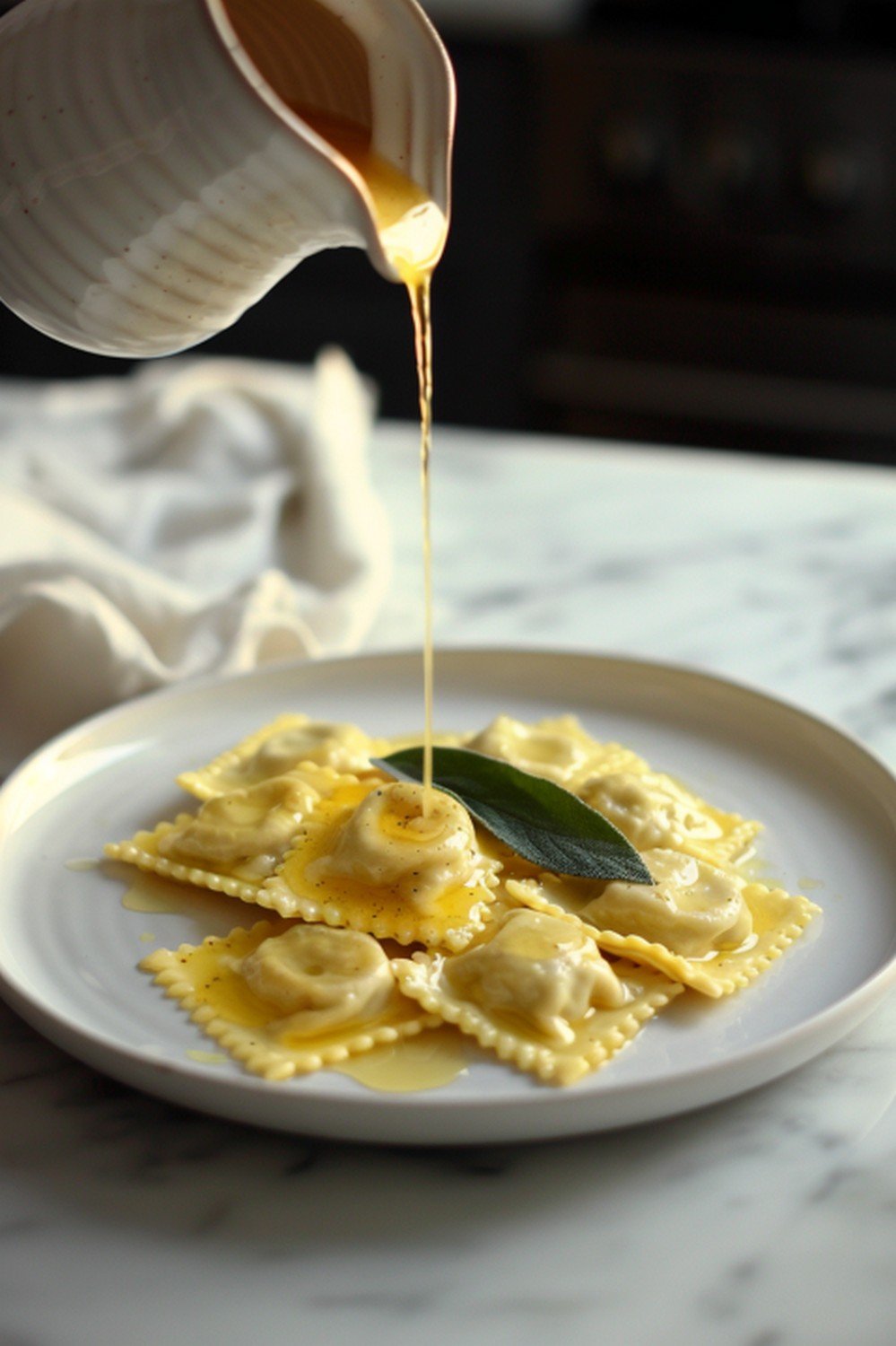
Brown butter sage sauce is made by melting butter over medium heat until it turns golden and nutty, then adding fresh sage leaves until crisp, and finishing with a splash of pasta water to create a silky, glossy coating. It takes 6 minutes and transforms any filled pasta instantly.
- Best with: Ravioli — the classic pairing
- Try it on: Gnocchi for a pillowy, indulgent result
- Use it on: Tortellini for an elegant dinner party dish
- Pair with: Garlic Butter Pasta Sauce — the quicker everyday version
- Related: 12 Best Pasta Sauce Recipes — the full collection
This is the brown butter sage sauce recipe worth saving — the one that makes any pasta feel like a restaurant dish.
Why This Recipe Works
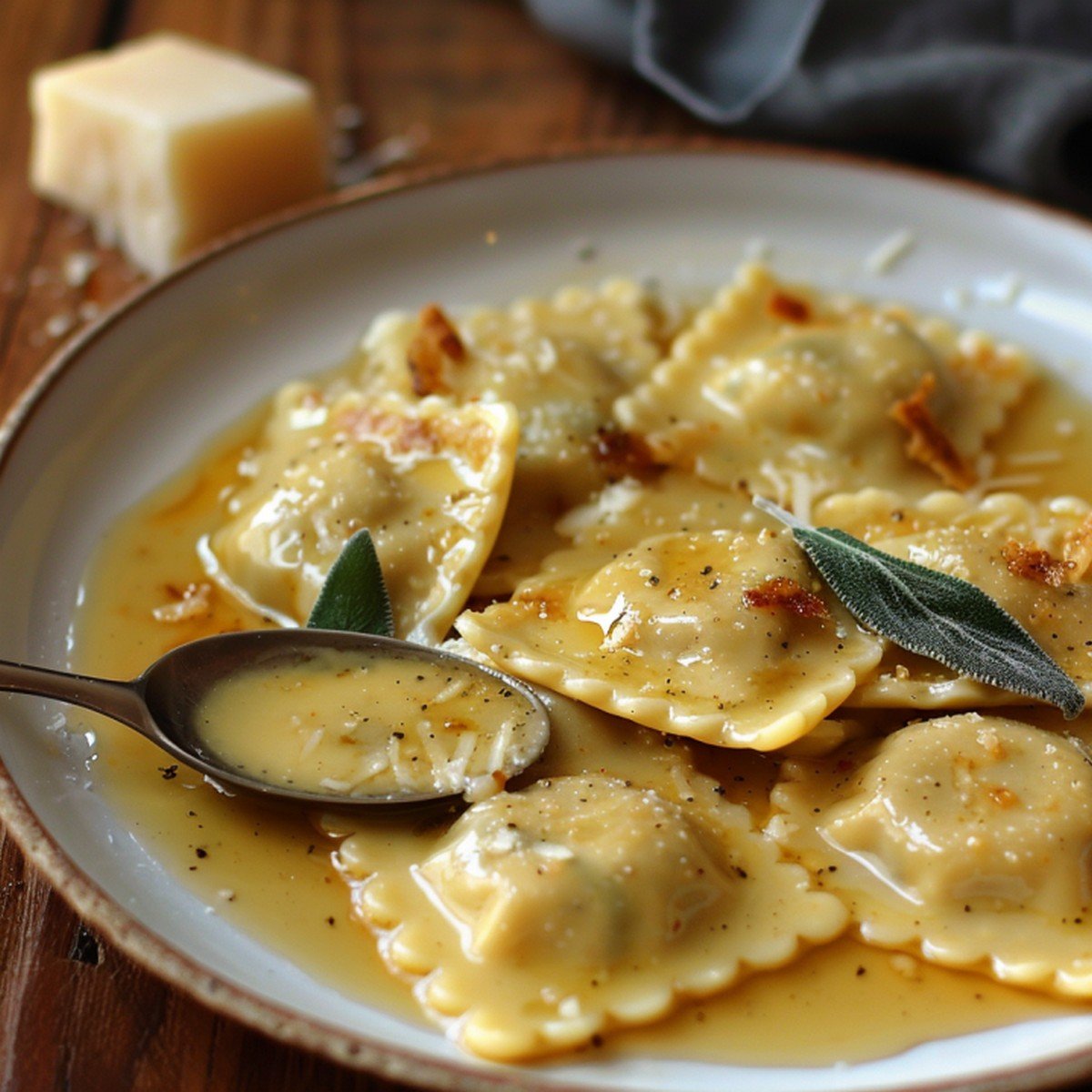
Brown butter sauce works because browning butter is one of the most flavor-efficient techniques in cooking. When butter melts and the water evaporates, the milk solids left behind begin to caramelize — turning from pale and mild to golden, nutty, and deeply complex in under four minutes.
That transformation — from regular melted butter to beurre noisette — is what makes this sauce taste like something technically sophisticated when it's actually the simplest thing you can make in a pan.
Fresh sage leaves added to the hot brown butter crisp up in seconds and infuse the entire sauce with a warm, earthy, slightly peppery flavor that pairs with the nuttiness of the browned milk solids in a way that feels almost perfectly designed. The combination is a classic Italian pairing for good reason.
The splash of pasta water at the end is critical — the starch emulsifies the butter into a silky, glossy sauce that coats every piece of pasta instead of pooling at the bottom of the bowl. Without it, you have melted butter. With it, you have a sauce.
This is exactly what gives it that refined, restaurant-quality finish that makes people assume you trained in Italy.
What It Tastes Like
The texture is silky and glossy — lighter than a cream sauce but richer than olive oil, with a coating that clings to pasta rather than dripping off.
The first bite opens with deep, warm nuttiness from the browned butter — toasty, almost hazelnut-like, with a richness that feels indulgent without being heavy. The crispy sage adds an earthy, slightly peppery note that cuts through the butter perfectly, and the grated parmesan finish adds a sharp, savory depth that ties everything together.
It tastes elegant. Restrained. Exactly like something that belongs on a white tablecloth — made in your kitchen in six minutes.
Why You'll Keep Making This
- Done in 6 minutes — faster than any other pasta sauce
- Four ingredients only — butter, sage, pasta water, parmesan
- Transforms store-bought ravioli into a restaurant-quality dish
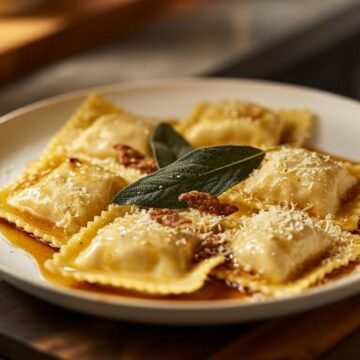
- Looks stunning — golden butter, crispy sage, glossy finish
- Works on every filled pasta shape without exception
Ingredients You'll Need
- 6 tablespoon (85g) unsalted butter
- 12–15 fresh sage leaves
- ¼ cup reserved pasta water
- ½ teaspoon salt
- ¼ teaspoon black pepper
- Grated parmesan, to finish
- Optional: pinch of nutmeg
Why These Ingredients Matter
Unsalted butter gives you full control over the salt level and browns more predictably than salted butter. European-style butter with higher fat content browns faster and tastes richer — worth using here if you have it.
Fresh sage leaves only — dried sage will not work in this recipe. Fresh sage leaves crisp up in the hot butter and become the textural and flavor centerpiece of the dish. Dried sage turns bitter and gritty in hot fat.
Reserved pasta water is the ingredient that transforms this from melted butter into an actual sauce. The starch in the water emulsifies the fat and creates the silky, glossy coating that defines brown butter sage sauce done properly.
Grated parmesan added at the very end off the heat melts into the sauce and adds savory depth and body. Use freshly grated — pre-grated parmesan doesn't melt smoothly and can make the sauce grainy.
A pinch of nutmeg is optional but classical — it adds a warm, slightly sweet spice note that complements the nuttiness of the browned butter beautifully, especially with cheese or butternut squash ravioli.
How to Make It
Step 1: Melt the Butter
Place butter in a light-colored stainless steel or ceramic pan over medium heat. A light pan is important — you need to see the color of the butter as it changes. Let the butter melt completely, then continue cooking, swirling the pan gently every 30 seconds.
Watch carefully from this point — the transformation from pale to golden happens fast and you want to be ready.
Step 2: Brown the Butter
Continue cooking the butter for 2–3 minutes, swirling regularly. You'll see it foam, then the foam subsides, and the milk solids at the bottom begin to turn golden. The moment the butter smells nutty and toasty and the solids are golden brown — not dark brown — remove from heat immediately.
That nutty, almost hazelnut aroma is the signal — this is the most important moment in the entire recipe.
Step 3: Add the Sage
Return pan to low heat. Add fresh sage leaves to the brown butter — they will sizzle and crisp up in 20–30 seconds. Swirl the pan to coat them in the butter. Remove the pan from heat the moment the leaves are crisp and bright green turning slightly darker at the edges.
The sage crisping in the brown butter smells extraordinary — earthy, warm, and deeply inviting.
Step 4: Emulsify and Coat
Add reserved pasta water to the pan carefully — it will bubble vigorously. Swirl and stir to emulsify the butter and water into a unified, glossy sauce. Season with salt and pepper. Add freshly cooked ravioli directly to the pan and toss gently to coat. Finish with freshly grated parmesan and a pinch of nutmeg if using. Serve immediately on warm plates.
The moment the pasta water hits the brown butter and comes together into a glossy sauce is genuinely satisfying every single time.
What to Look For
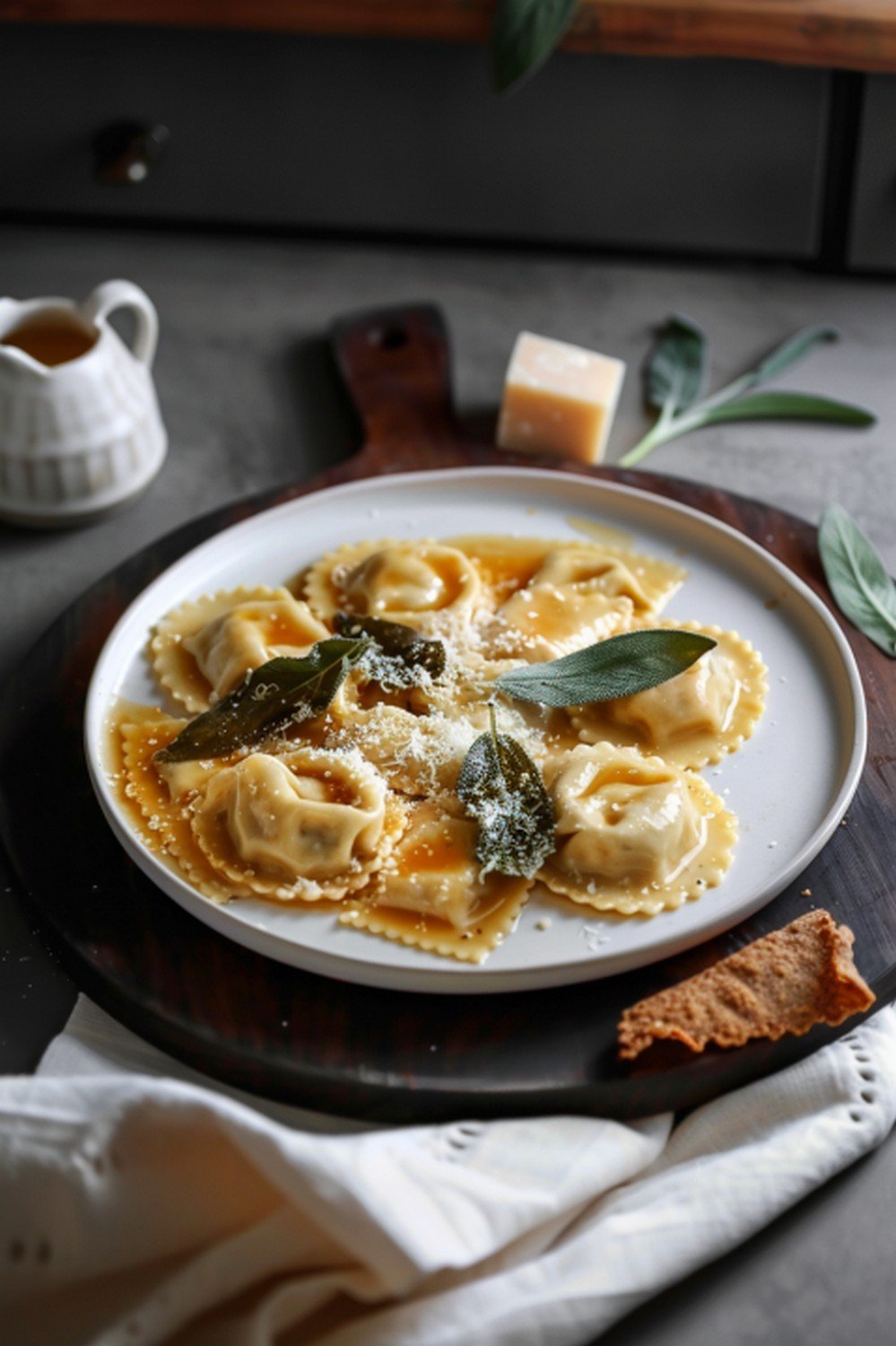
The finished sauce should be golden, glossy, and unified — not separated pools of butter around the pasta. The sage leaves should be crisp enough to hold their shape and provide a slight crunch when eaten. The ravioli should be evenly coated with a thin, shiny film of brown butter sauce on every surface.
Common Mistakes to Avoid
- Burning the butter — there are only 10–15 seconds between perfectly golden brown butter and bitter, black butter. Use a light pan, watch constantly, and pull from heat the moment it smells nutty.
- Using dried sage — it will not crisp up and will taste bitter and gritty in hot butter. Fresh sage is non-negotiable for this recipe.
- Skipping the pasta water — without pasta water, you have buttered pasta, not brown butter sage sauce. The starch emulsification is what makes this a proper sauce.
Brown Butter Sage Sauce
Ingredients
- 6 tablespoon 85g unsalted butter
- 12 –15 fresh sage leaves
- ¼ cup reserved pasta water
- ½ teaspoon salt
- ¼ teaspoon black pepper
- Grated parmesan to finish
- Pinch of nutmeg optional
Instructions
- Melt butter in light-colored pan over medium heat. Cook swirling gently until foam subsides and milk solids turn golden and smell nutty — 2–3 minutes. Remove from heat immediately.
- Return to low heat. Add fresh sage leaves, swirl to coat, crisp 20–30 seconds until bright and slightly darker at edges.
- Add reserved pasta water carefully — it will bubble. Swirl and stir to emulsify into glossy unified sauce. Season with salt and pepper.
- Add freshly cooked ravioli directly to pan, toss gently to coat. Finish with freshly grated parmesan and pinch of nutmeg. Serve immediately on warm plates.
Notes
- Have everything ready before starting — brown butter moves fast.
- Serve immediately on warm plates — the sauce solidifies quickly as it cools.
Pro Tips
- Use a light-colored pan — stainless steel or ceramic lets you see the exact color of the butter as it browns. Dark pans make it impossible to judge and you'll burn it every time.
- Have everything ready before you start — brown butter moves fast. Your pasta should be cooked and drained, your sage leaves ready, your pasta water measured before the butter goes in the pan.
- Warm your plates — brown butter sauce cools and solidifies quickly. Serving on warm plates keeps it glossy and fluid for longer.
- Add a squeeze of lemon at the end — a small squeeze of fresh lemon juice right before serving adds brightness that cuts through the richness perfectly.
Ingredient Swaps
- No fresh sage? Fresh thyme or fresh rosemary crisps up similarly in brown butter — different flavor profile but equally elegant. Use 6–8 sprigs of thyme or 2 small rosemary sprigs.
- Dairy-free version? Use a high-quality vegan butter with high fat content — it browns differently but still achieves a nutty, caramelized flavor with the right technique.
- Want more richness? Add 2 tablespoon of heavy cream after the pasta water — it creates a creamy brown butter sauce that's even more indulgent and still takes under 10 minutes.
Make It Your Way
- Brown butter sage with toasted walnuts — add 2 tablespoon of roughly chopped walnuts to the butter at the same time as the sage. They toast in the butter alongside the sage and add a wonderful crunch to the finished dish.
- Brown butter sage with crispy prosciutto — lay thin slices of prosciutto in the pan before the butter and crisp them first. Remove, brown the butter in the rendered fat, then crumble the prosciutto back over the finished pasta.
- Butternut squash ravioli version — this sauce was practically invented for butternut squash filled pasta. The sweetness of the squash and the nuttiness of the brown butter is one of the great flavor combinations in Italian cooking.
- Brown butter sage gnocchi — use pan-fried gnocchi instead of ravioli for a crispy exterior that soaks up the brown butter sauce in an entirely different and spectacular way.
Storage & Meal Prep
Brown butter sage sauce is best made fresh and served immediately — it takes 6 minutes, so there's no real reason to make it ahead. The butter solidifies as it cools and doesn't reheat well without separating.
If you need to hold it briefly, keep the sauce in the pan over the lowest possible heat and stir occasionally with a splash of additional pasta water to maintain the emulsion. Serve within 10 minutes of making for the best result.
Common Questions
What is brown butter and why does it taste different from regular butter?
Brown butter — beurre noisette in French — is butter that has been cooked until the water evaporates and the milk solids caramelize. This creates hundreds of new flavor compounds that give it a deep, nutty, almost hazelnut flavor that regular melted butter doesn't have. It's one of the most impactful flavor transformations in cooking.
Can I use salted butter for brown butter sage sauce?
You can, but unsalted is better — it gives you full control over seasoning and the salt in salted butter can become concentrated and overpowering as the butter browns. If salted butter is all you have, skip the added salt in the recipe and taste before serving.
How do I know when the butter is perfectly browned?
Three signals happen simultaneously — the foam subsides, the milk solids at the bottom of the pan turn golden (not dark brown), and the butter smells distinctly nutty and toasty like hazelnuts. Any one of these signals means it's ready. All three together and you're at the perfect moment.
Can I make this sauce with olive oil instead of butter?
No — olive oil doesn't contain milk solids and therefore cannot brown in the same way. The Maillard reaction that creates brown butter flavor requires those milk solids. This is a butter-only technique.
What filled pasta works best with brown butter sage sauce?
Cheese ravioli, butternut squash ravioli, ricotta and spinach tortellini, and potato gnocchi are all exceptional. Any filled pasta with a mild, creamy filling benefits enormously from the nutty depth of brown butter.
Can I add vegetables to this dish?
Yes — roasted butternut squash, sautéed mushrooms, or wilted spinach all work beautifully alongside the brown butter sage sauce. Add them to the pan after the sage crisps and before the pasta water goes in.
You Might Also Like
- sausage and tomato sauce — Everyday Version
- Classic Tomato Pasta Sauce — The Rich Slow-Cooked Version
- Creamy Alfredo Sauce — The Indulgent Version
- Basil Pesto — The No-Cook Fresh Version
- 12 Best Pasta Sauce Recipes Organized by Type
- 5-Minute Lemon Butter Pasta — Bright and Simple
- 7 Best Burger Sauces You Need to Try at Home
- 10 Best Sauces for Steak That Beat Any Steakhouse
Final Thoughts
Brown butter sage sauce is the recipe that proves great cooking doesn't have to be complicated. Four ingredients, six minutes, one pan — and the result is one of the most elegant pasta dishes in the Italian repertoire. Make it tonight with a pack of ravioli and see exactly why this sauce has been on Italian tables for centuries.
Pin this now — you'll thank yourself later.

Jake Carter
Crave the restaurant version? I build the at-home one worth repeating.
Recipe developer & copycat flavor obsessive
I recreate the fast-food and restaurant flavors people miss most — then simplify them into recipes that feel doable, nostalgic, and genuinely satisfying at home.
Meet Jake & explore more recipes
Leave a Reply