
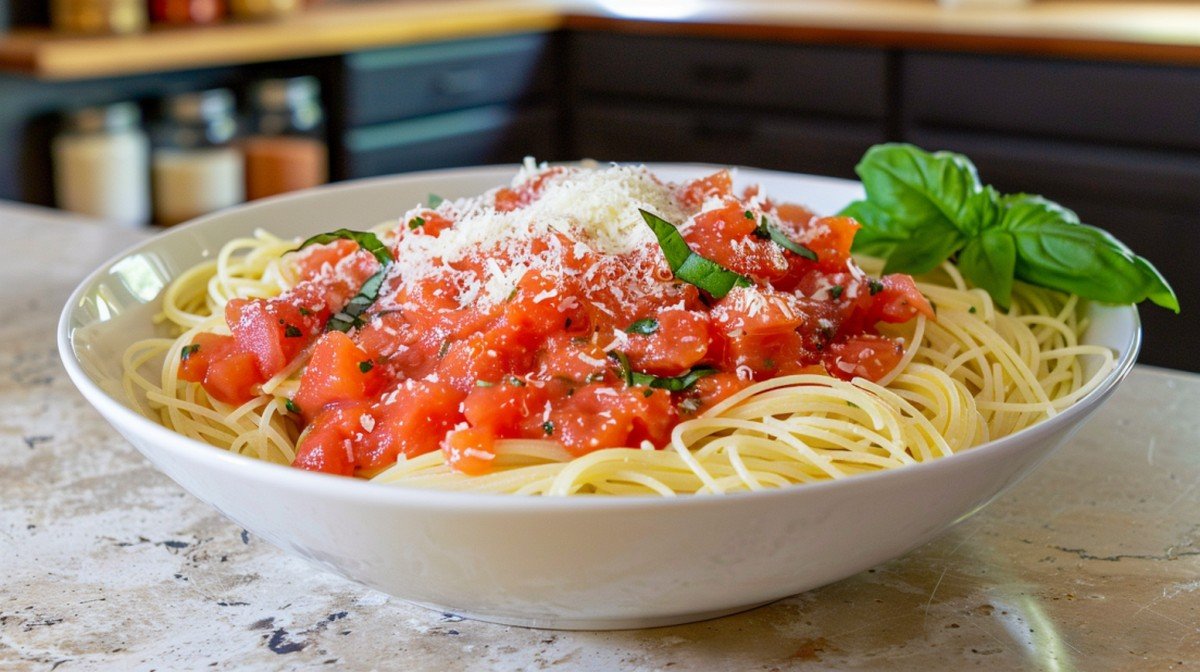
Once you make pasta sauce with fresh tomatoes, the canned version feels like a backup plan. I made this on a Sunday in August with a pound of ripe roma tomatoes from the farmers market — and it was on the table in 20 minutes with almost no effort.
No cans. No long simmer. Just fresh tomatoes, garlic, good olive oil, and herbs. Clean, bright, and exactly what summer pasta should taste like.
Quick Answer
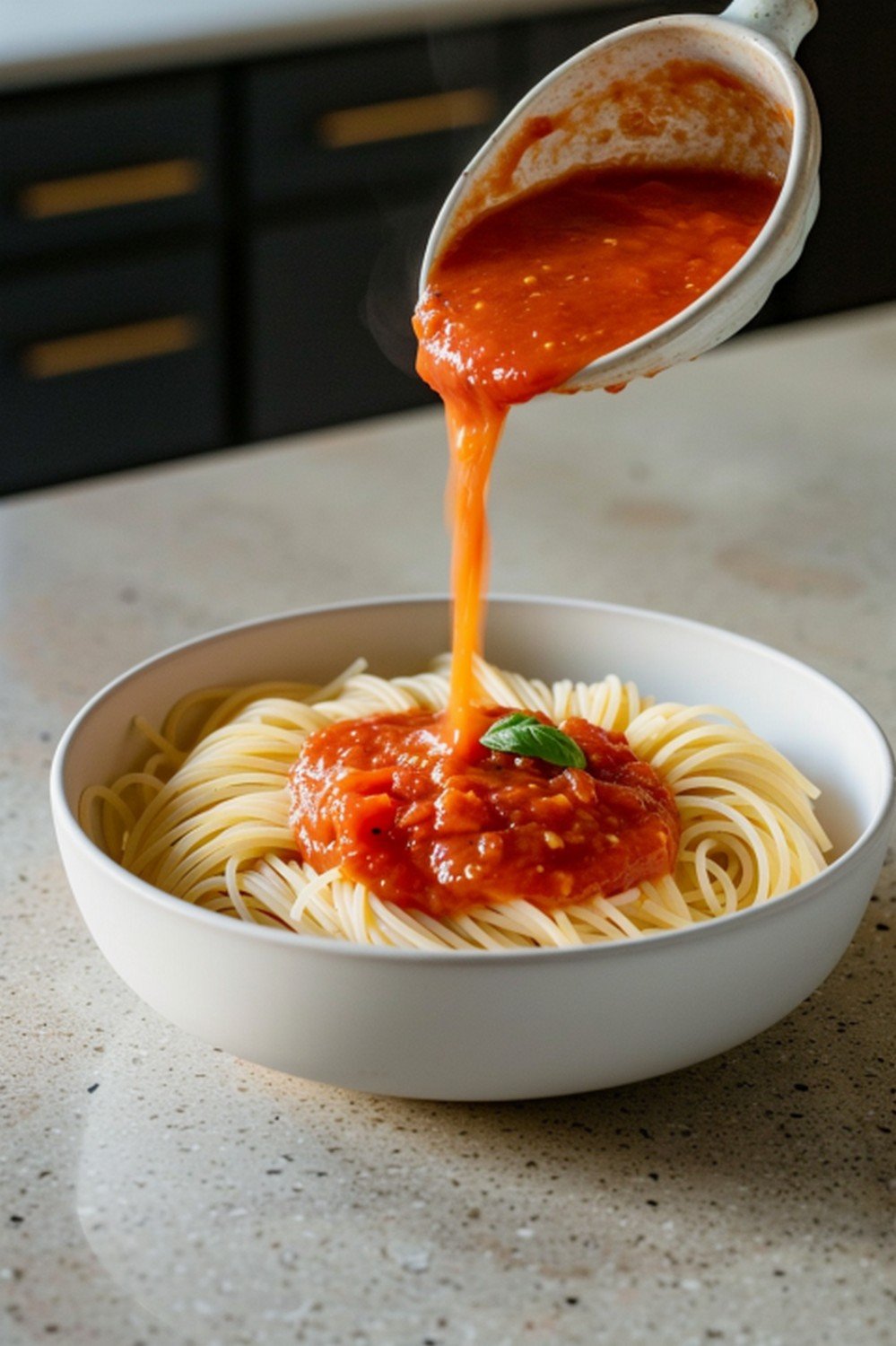
Fresh tomato sauce is made by briefly cooking diced ripe tomatoes in olive oil with garlic and fresh basil until they break down into a light, glossy sauce. It takes 20 minutes and tastes nothing like anything from a jar.
- Best with: Angel hair pasta — the lightest pairing
- Try it on: Linguine for a classic summer plate
- Use it for: Bruschetta topping — serve it chunky and warm
- Pair with: Cherry Tomato Sauce for a blistered variation
- Related: Classic Tomato Pasta Sauce — the richer, slow-cooked version
This is the fresh tomato sauce recipe worth saving — simple, seasonal, and better than anything processed.
Why This Recipe Works
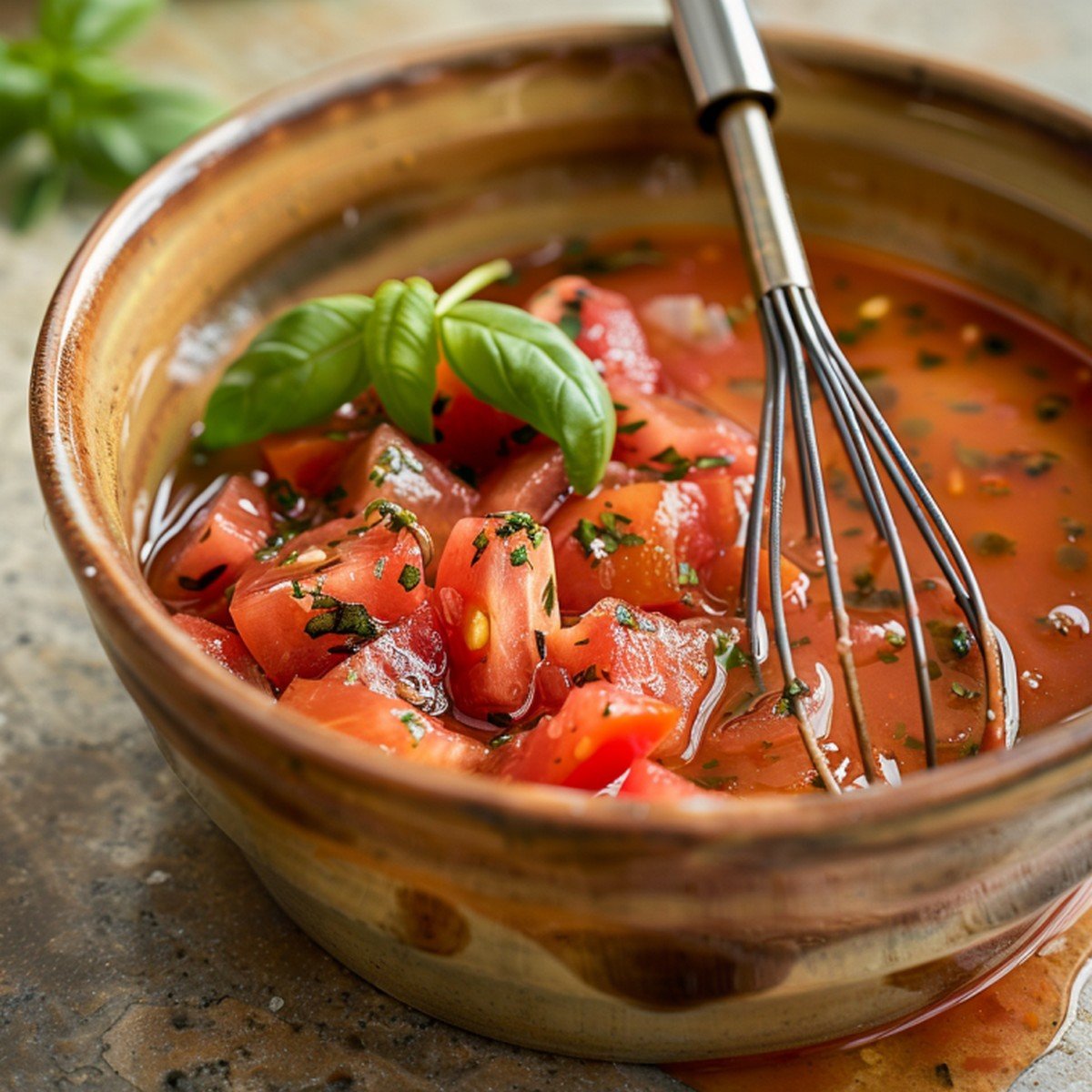
Fresh tomato sauce works because it respects the ingredient. You're not trying to transform the tomato — you're letting it be what it already is at peak ripeness.
Ripe roma or plum tomatoes are the right choice here — they have a lower water content than beefsteak tomatoes, which means the sauce comes together quickly without turning watery. A brief sauté in good olive oil softens the tomatoes just enough to break them down while keeping some texture and brightness intact.
Garlic goes in early to build a savory base. A pinch of red pepper flakes adds depth without heat. The tomatoes go in next and cook just long enough to release their natural juice and thicken slightly — 10 to 12 minutes is all you need.
Fresh basil added at the very end keeps the sauce herbaceous and alive. A drizzle of cold olive oil right before serving adds a fruity, fresh note that no amount of simmering can replicate.
This is exactly what gives it that bright, clean trattoria flavor that makes people think you spent the afternoon in the kitchen.
What It Tastes Like
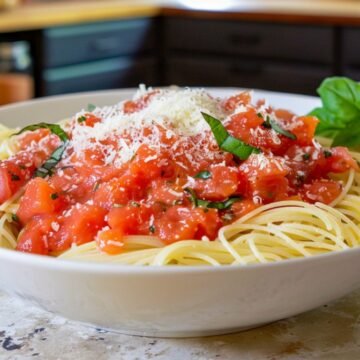
The texture is light and slightly chunky — not a thick, heavy sauce but a loose, glossy coating that lets the pasta flavor come through alongside the tomato.
The first bite hits with fresh, bright tomato — sweet and slightly acidic in the way only a ripe fresh tomato can be. The garlic and olive oil create a clean savory base underneath, and the fresh basil brings an herby, almost floral finish that lingers.
It tastes like summer in a bowl. Simple, light, and completely satisfying.
Why You'll Keep Making This
- Ready in 20 minutes — faster than ordering delivery
- Uses ripe tomatoes at their absolute best
- Naturally light — no heavy cream, no butter required
- Works on pasta, bruschetta, grilled fish, and chicken
- One pan, minimal cleanup, maximum flavor
Ingredients You'll Need
- 1.5 lbs (680g) ripe roma or plum tomatoes, diced
- 3 tablespoon olive oil, plus extra to finish
- 4 garlic cloves, minced
- ½ teaspoon red pepper flakes
- 1 teaspoon salt
- ½ teaspoon black pepper
- 1 teaspoon sugar (optional — only if tomatoes are underripe)
- 10–12 fresh basil leaves, torn
- ¼ cup reserved pasta water
- Grated parmesan, to finish
Why These Ingredients Matter
Ripe roma or plum tomatoes are the foundation. They have thick walls, low water content, and concentrated flavor that breaks down into a naturally glossy sauce without needing a long simmer. Never use underripe tomatoes here — the flavor won't be there.
Good quality olive oil is both the cooking fat and a finishing ingredient. Use something you'd drizzle on bread — it matters in a sauce this simple.
Minced garlic goes in first to build a savory aromatic base. It should turn golden and fragrant — not brown — before the tomatoes go in.
Fresh basil torn at the very end preserves all the volatile oils that give basil its fragrance. Add it off the heat or in the last 30 seconds only.
Reserved pasta water binds the sauce to the pasta and adds a silky, restaurant-quality finish that water or broth can't replicate.
How to Make It
Step 1: Prep the Tomatoes
Dice the ripe roma tomatoes roughly — about ½ inch pieces. No need to peel or seed them. The skins soften completely during cooking and the seeds add flavor. Set aside.
The smell of a ripe tomato being cut is the first sign this is going to be something special.
Step 2: Build the Garlic Base
Heat 3 tablespoon olive oil in a large skillet over medium heat. Add minced garlic and red pepper flakes. Cook for 60–90 seconds, stirring constantly, until the garlic is fragrant and just turning golden at the edges. Watch carefully — golden is perfect, brown is bitter.
This is where the kitchen fills with that irresistible garlic and olive oil smell.
Step 3: Cook the Tomatoes
Add the diced tomatoes to the pan along with salt and black pepper. Stir to combine with the garlic base. Increase heat to medium-high and cook for 10–12 minutes, stirring occasionally, until the tomatoes break down, release their juice, and the sauce thickens slightly. Taste and add sugar if the tomatoes need balancing.
You'll see the sauce shifting from chunky and watery to glossy and cohesive — that's exactly the moment you want.
Step 4: Finish and Toss
Add reserved pasta water and stir to combine. Toss with freshly cooked pasta directly in the pan. Remove from heat, tear in fresh basil, and finish with a drizzle of cold olive oil and grated parmesan. Serve immediately.
That final drizzle of cold olive oil is the move that makes this taste like a restaurant dish — don't skip it.
What to Look For
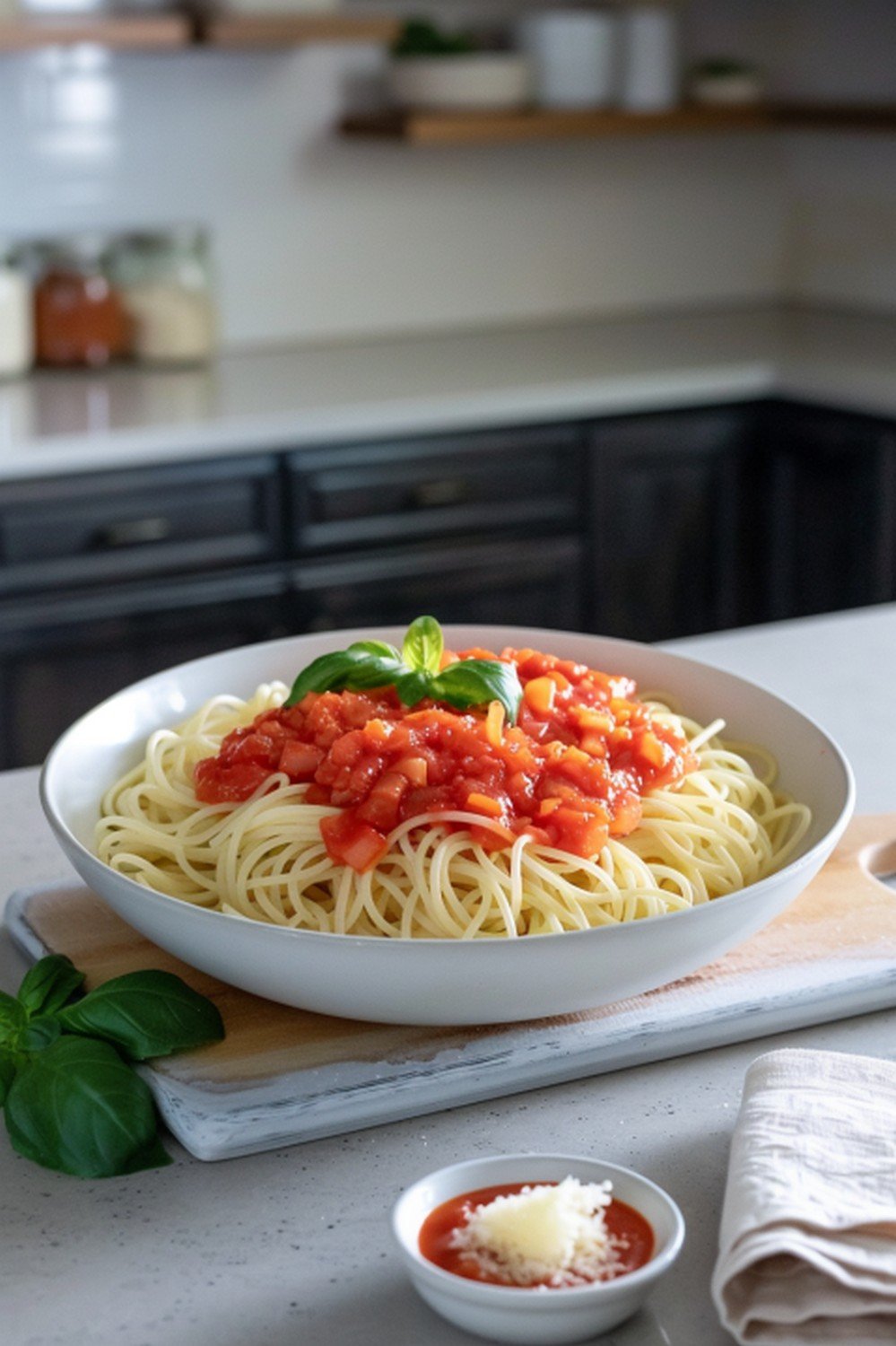
The finished sauce should be light and slightly chunky — not thick like a slow-cooked sauce, but glossy enough to coat every strand of pasta. The tomatoes should be broken down but not completely dissolved — some texture is part of the appeal. The color should be a bright, vibrant red-orange, not dark or caramelized.
Common Mistakes to Avoid
- Using underripe or out-of-season tomatoes — this sauce lives and dies by tomato quality. If your tomatoes aren't sweet and ripe, use canned san marzano instead.
- Cooking on too low a heat — medium-high heat after the garlic goes in is what concentrates the tomato juice and builds flavor. Too low and you end up with a watery, flat sauce.
- Overcooking the basil — always add fresh basil at the very end or off the heat. Even 2 extra minutes in the pan destroys the fragrance completely.
Fresh Tomato Sauce
Ingredients
- 1.5 lbs 680g ripe roma or plum tomatoes, diced
- 3 tablespoon olive oil plus extra to finish
- 4 garlic cloves minced
- ½ teaspoon red pepper flakes
- 1 teaspoon salt
- ½ teaspoon black pepper
- 1 teaspoon sugar optional
- 10 –12 fresh basil leaves torn
- ¼ cup reserved pasta water
- Grated parmesan to finish
Instructions
- Dice ripe roma tomatoes roughly into ½ inch pieces. Set aside.
- Heat olive oil in large skillet over medium heat. Add minced garlic and red pepper flakes. Cook 60–90 seconds until fragrant and just golden.
- Add diced tomatoes, salt, and pepper. Increase to medium-high heat. Cook 10–12 minutes stirring occasionally until tomatoes break down and sauce thickens. Taste and add sugar if needed.
- Add pasta water, toss with cooked pasta in the pan. Remove from heat, tear in fresh basil, drizzle cold olive oil, finish with parmesan. Serve immediately.
Notes
- Add fresh basil at the very end or off heat — never during cooking.
- Finish with cold olive oil drizzle for a bright, fresh restaurant-quality note.
Pro Tips
- Score and blanch for a silky texture — if you want a completely smooth sauce, score an X on the bottom of each tomato, blanch for 30 seconds in boiling water, and peel before dicing. The result is silkier and more refined.
- Use the best olive oil you have — in a sauce this simple, the olive oil flavor is front and center. This is the recipe that justifies a good bottle.
- Finish with cold olive oil — a drizzle of unheated olive oil right before serving adds a fresh, fruity note that cooked oil can't replicate.
- Peak season only — this recipe is at its absolute best July through September. Outside of peak season, switch to canned san marzano for consistent results.
Ingredient Swaps
- No roma tomatoes? Use vine-ripened or heirloom tomatoes — they're sweeter and more complex. Avoid beefsteak tomatoes which have too much water content.
- No fresh basil? Fresh thyme or fresh oregano both work well — use 1 teaspoon and add with the garlic rather than at the end.
- Want more body? Add 2 tablespoon of tomato paste with the garlic before the fresh tomatoes — it adds depth and helps thicken the sauce faster.
Make It Your Way
- Puttanesca version — add 2 tablespoon capers, 6 chopped olives, and a tin of anchovies with the garlic for a bold, briny twist on fresh tomato sauce.
- Herb garden version — use a mix of fresh basil, oregano, and thyme for a more complex herbal profile.
- Roasted version — roast the diced tomatoes at 400°F for 20 minutes before adding to the pan. The roasting concentrates the sugars and adds a deeper, slightly smoky flavor.
- Chunky bruschetta sauce — cook for only 5 minutes to keep the tomatoes very chunky and serve over thick grilled sourdough with extra basil and parmesan.
Storage & Meal Prep
Store in an airtight container in the fridge for up to 4 days. The flavor mellows and deepens overnight — make it a day ahead for the best result. Reheat gently over low heat with a splash of water to restore the texture.
Fresh tomato sauce freezes well for up to 2 months — freeze without the fresh basil and stir it in fresh when reheating. Make large batches during peak tomato season and enjoy summer flavor all year long.
Common Questions
Can I use any type of fresh tomato for this sauce?
Roma and plum tomatoes are best — lower water content and more concentrated flavor. Vine-ripened and heirloom tomatoes also work beautifully. Avoid beefsteak tomatoes which release too much water and make the sauce watery.
Do I need to peel the tomatoes?
Not necessarily — roma tomato skins are thin enough to soften completely during cooking. If you prefer a silky, smooth texture, blanch and peel before dicing. For a rustic, chunky sauce, leave the skins on.
Can I make this sauce ahead of time?
Yes — fresh tomato sauce actually improves overnight as the flavors meld. Make it up to 3 days ahead and reheat gently. Add the fresh basil only when serving, never during storage.
What's the difference between fresh tomato sauce and marinara?
Marinara is typically made with canned tomatoes and has a more intense, cooked-down flavor. Fresh tomato sauce uses raw fresh tomatoes for a brighter, lighter result. Both are delicious — they just serve different occasions.
My sauce is too watery — what do I do?
Increase the heat to medium-high and let it simmer uncovered for an additional 5 minutes. The excess water will evaporate and the sauce will concentrate naturally. A tablespoon of tomato paste also helps thicken quickly.
Can I use this sauce on pizza?
Yes — use it as a fresh, uncooked pizza sauce by not cooking the tomatoes at all. Simply blend diced tomatoes with garlic, olive oil, salt, and basil for a bright, fresh pizza base that bakes beautifully.
You Might Also Like
- sausage and tomato sauce — Everyday Version
- Classic Tomato Pasta Sauce — The Rich Slow-Cooked Version
- Creamy Alfredo Sauce — The Indulgent Version
- Basil Pesto — The No-Cook Fresh Version
- 12 Best Pasta Sauce Recipes Organized by Type
- 5-Minute Lemon Butter Pasta — Bright and Simple
- 7 Best Burger Sauces You Need to Try at Home
- 10 Best Sauces for Steak That Beat Any Steakhouse
Final Thoughts
Fresh tomato sauce is the recipe that reminds you why simple cooking is often the best cooking. Ripe tomatoes, good olive oil, garlic, and basil — nothing more needed. Make it once during tomato season and it becomes the sauce you reach for every summer from that point on.
Pin this now — you'll thank yourself later.

Jake Carter
Crave the restaurant version? I build the at-home one worth repeating.
Recipe developer & copycat flavor obsessive
I recreate the fast-food and restaurant flavors people miss most — then simplify them into recipes that feel doable, nostalgic, and genuinely satisfying at home.
Meet Jake & explore more recipes
Leave a Reply